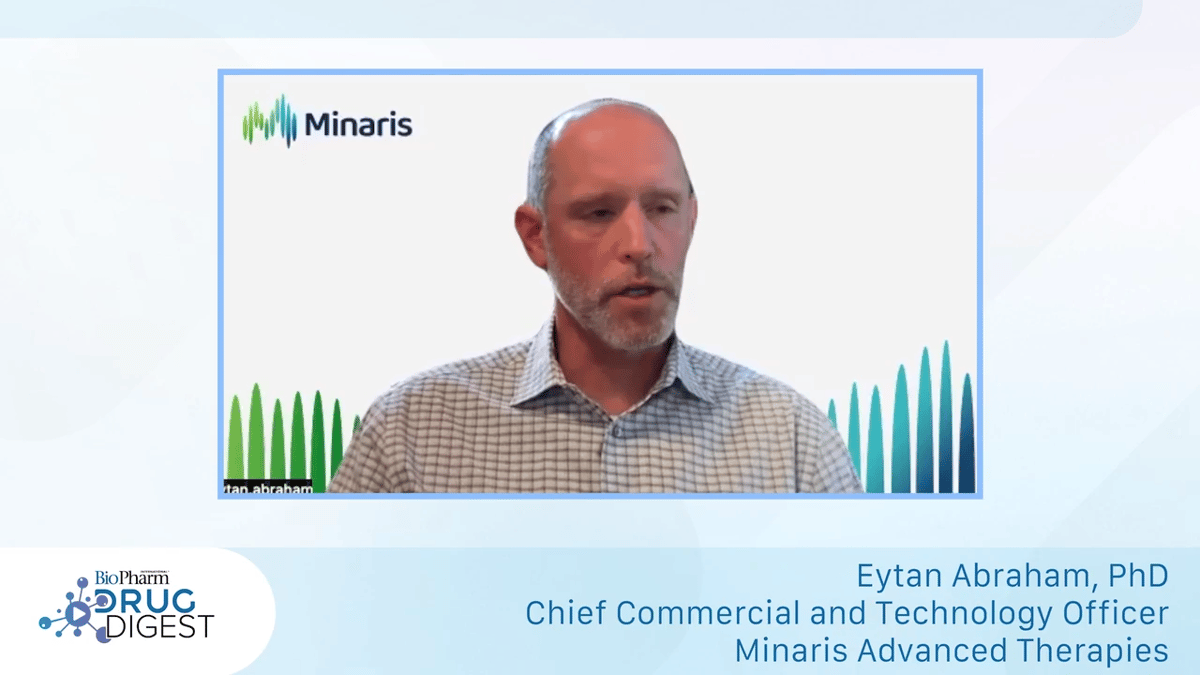
Drug Digest: Examining the Architecture of Next-Gen Biotherapeutic Modalities
Companies Mentioned
Why It Matters
Integrating advanced analytics with programmable biology accelerates development timelines and lowers costs, positioning next‑gen biotherapeutics for broader market adoption. This shift reshapes the competitive landscape for cell and gene therapy firms seeking scalable, personalized solutions.
Key Takeaways
- •Multifunctional biotherapeutics combine antibodies, ADCs, and engineered cells.
- •Multi‑targeting cell designs boost specificity and lower disease evasion risk.
- •AI and proteomics enhance potency assays and donor selection for allogeneic therapies.
- •Digital monitoring reduces manufacturing costs while ensuring regulatory compliance.
- •Regional manufacturing hubs enable scalable production for personalized treatments.
Pulse Analysis
The biopharma sector is moving beyond single‑mode drugs toward multifunctional platforms that embed antibodies, antibody‑drug conjugates and engineered cellular vectors into a single therapeutic entity. This convergence enables clinicians to address heterogeneous tumor profiles with a single product, promising higher response rates and reduced resistance. Investors are watching the space closely as companies that master this integration can command premium pricing and differentiate themselves in a crowded oncology pipeline.
Artificial intelligence and high‑throughput proteomics are now central to both discovery and manufacturing. AI‑driven models predict optimal antigen combinations, while proteomic maps clarify cellular mechanisms of action, sharpening potency assays and informing donor selection for allogeneic cell lines. Real‑time data analytics and sensor‑based monitoring streamline bioprocesses, cutting batch variability and operational expenses. These digital interventions also simplify compliance reporting, a critical factor as regulators tighten oversight of complex biologics.
Scalability remains the final frontier. Abraham envisions a hybrid model where early‑stage production occurs in academic or hospital labs, but commercial output shifts to regional manufacturing centers equipped with flexible, modular facilities. Such hubs can rapidly adjust capacity to meet patient‑specific demand without the logistical burdens of fully centralized plants. This distributed approach not only reduces supply chain risk but also aligns with emerging reimbursement models that reward outcomes over volume, positioning next‑generation biotherapeutics for sustainable growth.
Drug Digest: Examining the Architecture of Next-Gen Biotherapeutic Modalities
Comments
Want to join the conversation?
Loading comments...