Eli Lilly Buys Engage Bio for $202M, Adding Non‑Viral DNA Delivery Platform

Companies Mentioned

Why It Matters
Lilly’s purchase of Engage Bio signals a decisive shift toward non‑viral gene‑therapy technologies, a segment that many investors view as the next frontier after the success of mRNA vaccines. By securing Tethosome, Lilly not only diversifies its delivery toolbox but also positions itself to compete with other big pharma players that are betting on viral‑vector alternatives. The move could accelerate the pipeline of DNA‑based therapeutics, potentially shortening development cycles and reducing costs. The acquisition also illustrates how large pharmaceutical firms are leveraging M&A to fill capability gaps rather than building platforms in‑house. For the broader biotech ecosystem, Lilly’s willingness to pay $202 million for a preclinical asset underscores the premium placed on innovative delivery systems, likely spurring further fundraising and partnership activity among early‑stage companies in the non‑viral space.
Key Takeaways
- •Eli Lilly agreed to acquire Engage Bio for up to $202 million in cash.
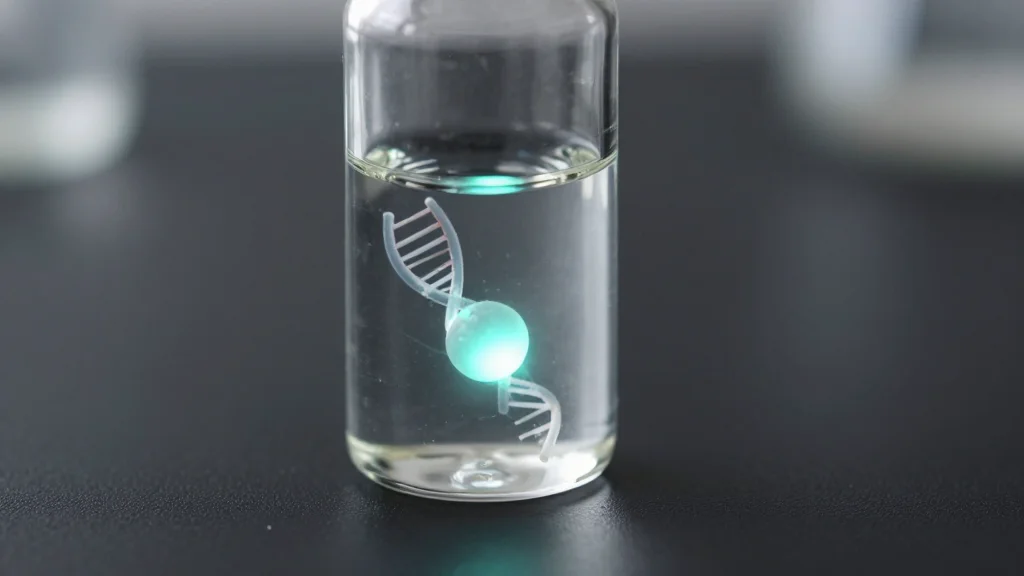
- •Engage’s Tethosome platform combines lipid nanoparticle DNA delivery with an mRNA‑encoded sequence.
- •The deal is Lilly’s seventh acquisition in 2026, following $2.3 bn Ajax Therapeutics and $300 m CrossBridge Bio purchases.
- •Engage’s investors include SciFounders, Cal Innovation Fund, Y Combinator, the Gates Foundation and NIH funding.
- •Lilly aims to start IND‑enabling studies using Tethosome by early 2027.
Pulse Analysis
Lilly’s aggressive M&A cadence this year reflects a broader industry trend: large pharma is buying niche technology platforms to stay ahead of the curve in genetic medicine. The $202 million price tag, modest compared with the $2.3 billion Ajax deal, suggests Lilly views non‑viral delivery as a strategic add‑on rather than a core business. By integrating Tethosome, Lilly can test the platform across multiple therapeutic areas without the regulatory baggage that viral vectors carry.
Historically, the gene‑therapy market has been dominated by viral vectors, but safety concerns and manufacturing bottlenecks have opened a window for non‑viral alternatives. Lilly’s acquisition could accelerate the validation of hybrid delivery systems that blend the best of LNP technology—proven at scale during the COVID‑19 vaccine rollout—with the durability of DNA therapeutics. If successful, this could lower the cost per patient and expand the treatable disease space, especially in oncology where precise gene editing is critical.
Investors will be watching Lilly’s integration timeline and early preclinical read‑outs. A swift IND filing would validate the strategic bet and likely boost confidence in other non‑viral startups seeking capital. Conversely, delays or technical setbacks could temper enthusiasm and reinforce the perception that viral vectors remain the gold standard. Either outcome will shape the competitive dynamics of the gene‑therapy market for the next decade.
Eli Lilly Buys Engage Bio for $202M, Adding Non‑Viral DNA Delivery Platform
Comments
Want to join the conversation?
Loading comments...