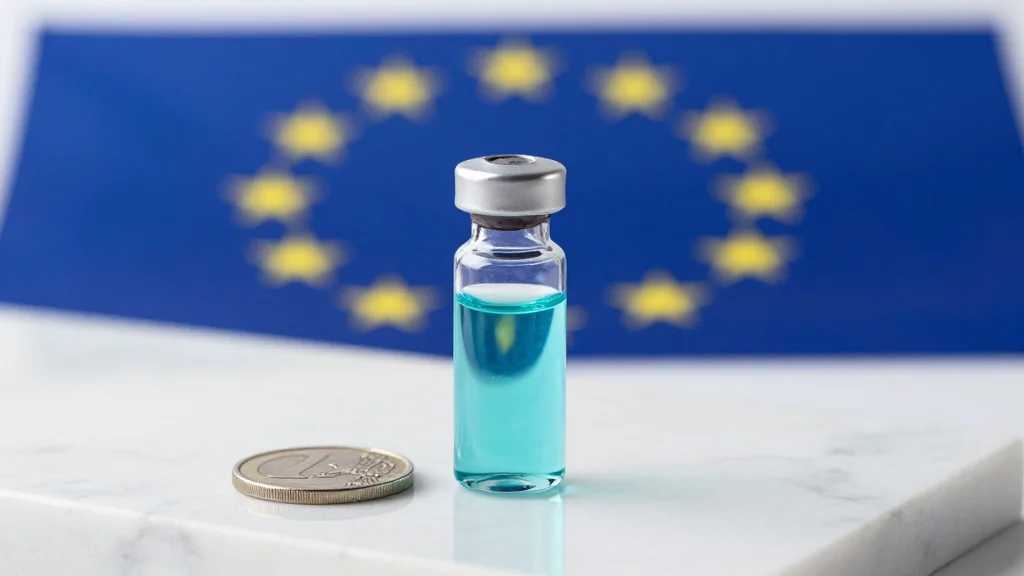
Europe’s Pivotal Choice: Vaccination Is Health Security
Why It Matters
Sustained public financing and private capital together ensure rapid vaccine development, protecting public health and strengthening Europe’s biotech competitiveness globally.
Key Takeaways
- •EU allocates €225M for next-gen flu vaccines
- •NOFLU consortium develops mRNA mucosal influenza vaccine
- •Public funding de‑risks platform biotech innovation
- •Venture capital accelerates commercialization and scale
- •Integrated policy boosts Europe’s vaccine leadership
Pulse Analysis
The COVID‑19 crisis revealed that Europe can marshal political resolve, scientific expertise, and capital to produce world‑class vaccines at speed. Since then, policymakers have reframed vaccination as a core element of health security, economic stability, and societal resilience. By synchronising national health strategies, EU council recommendations, and dedicated funding streams, the bloc creates a unified market that encourages platform‑centric research and rapid uptake. This coordinated approach not only protects citizens but also positions European biotech firms as global leaders in vaccine innovation and pandemic preparedness.
The European Commission’s €225 million commitment to next‑generation influenza vaccines exemplifies this new paradigm. Through pre‑commercial procurement contracts, three consortia—including the pan‑European NOFLU alliance—will advance parallel candidates, with a focus on mRNA‑based mucosal delivery. NOFLU leverages Ethris’s SNIM® RNA platform to target the lungs directly, promising higher efficacy against respiratory viruses and faster immune responses. By funding multiple pipelines simultaneously, the EU reduces development risk, accelerates clinical milestones, and creates a competitive edge that can be deployed against future pandemic strains.
Two reinforcing pillars sustain Europe’s vaccine leadership: enduring public financing and vibrant venture‑capital flows. Public money de‑risks breakthrough platforms, ensuring that long‑term preparedness is insulated from market cycles, while private investors inject speed, scale and translational expertise. This hybrid model encourages early‑stage biotech startups to pursue bold concepts, then transition smoothly to commercial production under EU‑backed contracts. As the continent deepens its commitment, the biotech ecosystem gains a predictable pipeline of projects, stronger talent retention, and a strategic advantage that safeguards both public health and economic growth.
Europe’s pivotal choice: Vaccination is health security
Comments
Want to join the conversation?
Loading comments...