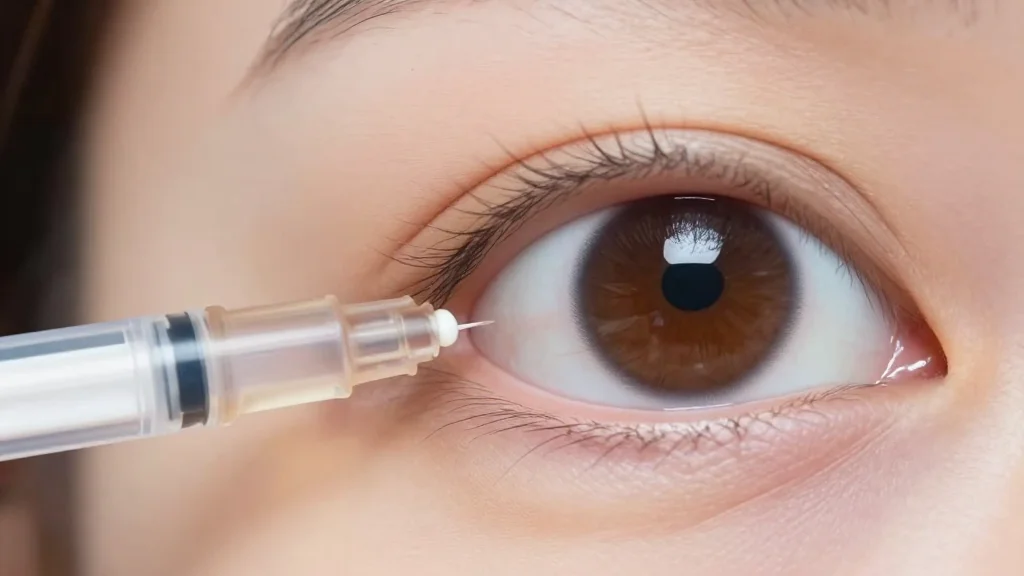
Everads Therapy Publishes First-in-Human Data on Suprachoroidal Injector

Why It Matters
The suprachoroidal space has long been viewed as a promising yet technically challenging route for delivering therapeutics to the retina. Everads’ data suggest that a non‑sharp, tissue‑separating injector can reliably access this compartment, opening a pathway for drugs that require precise posterior targeting. Successful commercialization could reduce the frequency of intravitreal injections, lower the risk of endophthalmitis, and improve patient adherence. Beyond diabetic macular edema, the platform could accelerate development of gene‑editing and cell‑replacement therapies that need to reach the photoreceptor layer. By providing a standardized delivery method, Everads may lower development costs for biotech firms and enable faster entry of innovative treatments into the market, potentially reshaping the economics of retinal disease care.
Key Takeaways
- •Everads published first‑in‑human safety and performance data for its suprachoroidal injector in Ophthalmology Science.
- •The open‑label trial (NCT06314217) treated diabetic macular edema patients with triamcinolone acetonide suspension.
- •Thermal imaging confirmed rapid, posteriorly directed drug distribution within the suprachoroidal space.
- •Three poster presentations at ARVO 2026 detailed infrared thermography, specimen analysis, and comparative injection patterns.
- •Company aims for a larger safety study and FDA pre‑market notification later in 2026.
Pulse Analysis
Everads’ approach arrives at a moment when the retinal market is saturated with intravitreal biologics and corticosteroids, yet clinicians remain frustrated by injection fatigue and safety concerns. By shifting the delivery paradigm to a suprachoroidal, office‑based injection, Everads could carve out a niche that aligns with the broader industry push toward less invasive, patient‑friendly therapies. Historical attempts at suprachoroidal delivery have faltered due to device complexity or inconsistent drug spread; Everads’ proprietary tissue separator and real‑time imaging validation address those pain points directly.
If the upcoming multi‑center study confirms the early safety signals, the company could attract licensing deals with major ophthalmic drug developers seeking a differentiated delivery route. Such partnerships would not only provide revenue streams but also validate the platform across diverse therapeutic modalities, from small‑molecule steroids to viral vectors. However, regulatory pathways for combination devices—especially those paired with novel biologics—remain uncertain, and Everads will need to navigate FDA expectations around device‑drug co‑development.
In the longer term, the success of suprachoroidal delivery could stimulate a wave of innovation in posterior‑segment therapeutics, encouraging investors to fund early‑stage companies that focus on delivery technology rather than the drug itself. Everads’ progress thus serves as a bellwether for the broader biotech ecosystem, signaling that platform technologies may soon command the same strategic importance as the molecules they transport.
Everads Therapy Publishes First-in-Human Data on Suprachoroidal Injector
Comments
Want to join the conversation?
Loading comments...