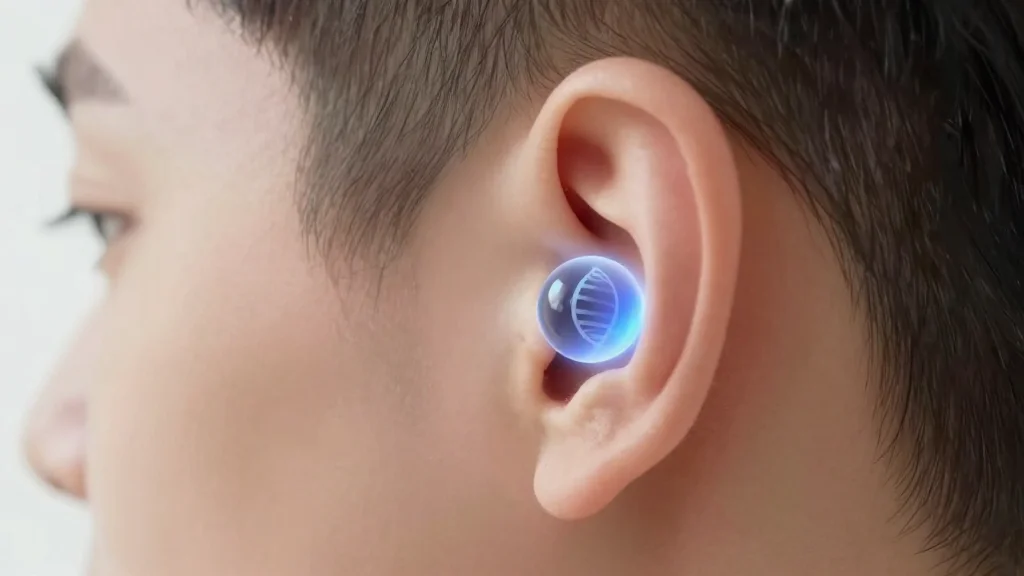
FDA Approves Otarmeni, First Gene Therapy for Genetic Hearing Loss

Companies Mentioned
Why It Matters
Otarmeni’s approval signals the first regulatory green light for a gene‑therapy that directly corrects a genetic defect in the auditory system, moving the field beyond prosthetic solutions. By demonstrating that a dual‑AAV approach can achieve clinically meaningful hearing restoration, the treatment validates a platform that could be adapted for other monogenic ear disorders, potentially expanding the market for auditory gene therapies. The rapid CNPV‑driven review also sets a precedent for how the FDA might handle future rare‑disease gene therapies, encouraging sponsors to pursue accelerated pathways and investors to fund high‑risk, high‑reward projects. If post‑marketing data confirm durable benefits, insurers may be compelled to develop new reimbursement models for one‑time curative interventions, reshaping the economics of rare‑disease care.
Key Takeaways
- •FDA approved Otarmeni on April 23, 2026 for OTOF‑related severe-to-profound hearing loss
- •Approval followed a 61‑day review, the fastest for a gene therapy in modern FDA history
- •Otarmeni uses a dual AAV vector to deliver a functional OTOF gene to inner‑ear cells
- •Phase I/II trial of 24 children showed 80% of evaluable patients improved hearing
- •First gene‑therapy approved under the Commissioner’s National Priority Voucher program
Pulse Analysis
Otarmeni arrives at a moment when the biotech industry is seeking tangible, disease‑modifying outcomes from gene‑editing technologies. The dual‑AAV strategy sidesteps the payload limitations of single vectors, a technical hurdle that has slowed progress in other organ systems. By proving feasibility in the confined environment of the cochlea, Regeneron has effectively created a proof‑of‑concept that could be extrapolated to retinal, muscular, or even central nervous system targets where space and immune privilege are similarly constrained.
From a market perspective, the therapy occupies a niche that bridges rare‑disease orphan drugs and mainstream audiology. While the patient pool is small—estimated at a few thousand individuals in the United States with confirmed biallelic OTOF mutations—the high unmet need and lack of curative alternatives give Otarmeni pricing power. However, the requirement for surgical delivery and post‑procedure monitoring may limit rapid adoption, especially in regions lacking specialized otologic surgeons. Companies that can streamline the delivery device or develop minimally invasive alternatives could capture a competitive edge.
Regulatory dynamics will also evolve. The CNPV’s success here may prompt the FDA to expand voucher eligibility to other gene‑therapy modalities, potentially accelerating approvals for treatments of genetic blindness, muscular dystrophy, and metabolic disorders. Yet the accelerated pathway comes with a responsibility: robust post‑marketing surveillance must demonstrate that early efficacy translates into lasting functional benefit. If Otarmeni’s real‑world data confirm durable hearing restoration without serious safety signals, it could cement the CNPV as a cornerstone of rare‑disease drug development, encouraging a wave of similar fast‑track submissions.
FDA Approves Otarmeni, First Gene Therapy for Genetic Hearing Loss
Comments
Want to join the conversation?
Loading comments...