FDA Approves TVTX, Philips Spectral CT, Rejects REPL; New Trials Unveiled

Companies Mentioned
Why It Matters
The FDA’s mixed rulings illustrate the fine line biotech companies walk between breakthrough innovation and regulatory risk. Approvals for TVTX and Philips’ Spectral CT not only expand treatment options for cancer patients and improve diagnostic imaging, they also validate AI‑driven technologies that could become standard in hospitals worldwide. Conversely, the REPL rejection highlights lingering concerns over gene‑editing safety, a hurdle that could delay the commercialization of a whole class of therapies. Carbios’ widened loss, despite cost‑cutting measures, signals that even firms with promising sustainable‑biotech platforms must secure steady revenue streams to fund capital‑intensive projects. The company’s pivot to licensing in Asia and the Longlaville plant reflects a broader industry trend of leveraging strategic partnerships to mitigate cash burn while scaling innovative products. Overall, the regulatory outcomes and financial disclosures this week will shape capital allocation, R&D focus, and partnership strategies across the biotech ecosystem for the coming year.
Key Takeaways
- •FDA cleared TVTX for metastatic colorectal cancer
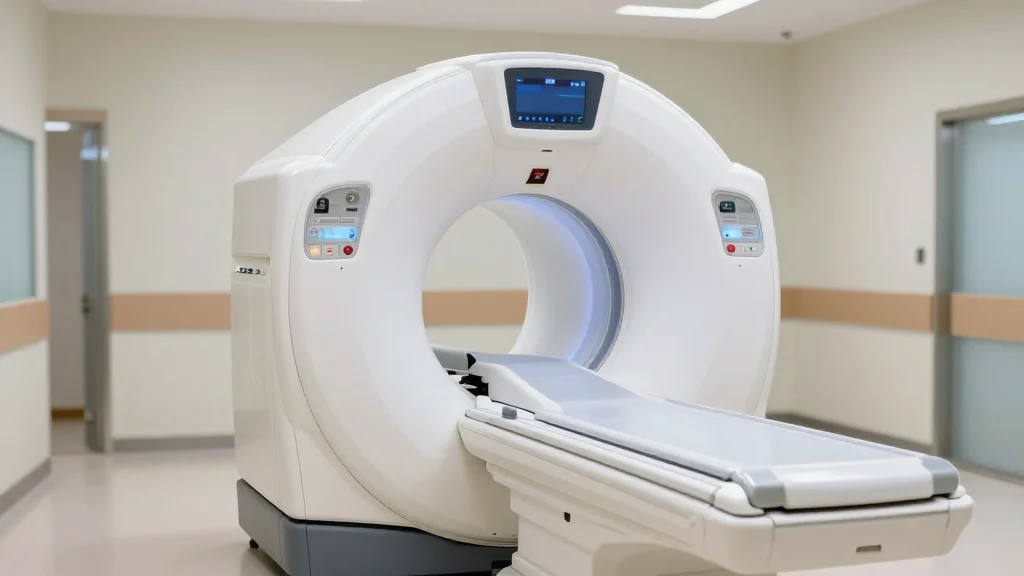
- •Philips' AI‑powered Spectral CT received 510(k) clearance
- •REPL gene‑therapy was rejected for safety concerns
- •Carbios reported a €34.3 million FY25 net loss, up from €23.4 million
- •Four new clinical trials (PDS, HOTH, SYRE, Paces) announced, totaling ~$250 million in R&D spend
Pulse Analysis
The FDA’s recent decisions serve as a micro‑cosm of the broader risk‑reward calculus that defines modern biotech investing. TVTX’s approval is a textbook example of a targeted therapy that leverages a well‑validated molecular pathway, allowing it to clear the regulatory hurdle with relatively modest Phase III data. Its market reaction—double‑digit share gains—reflects investor confidence that the drug can capture a sizable niche in the colorectal‑cancer space, especially as competitors scramble to address resistance mechanisms.
Philips’ Spectral CT clearance, while not a drug, underscores the convergence of hardware, AI, and biotech. By embedding deep‑learning algorithms into imaging hardware, Philips is positioning itself at the intersection of diagnostics and therapeutic monitoring, a segment that could see accelerated adoption as oncology increasingly relies on quantitative imaging biomarkers. The modest stock uplift suggests the market views the clearance as a strategic win but remains cautious about the pace of hospital procurement cycles.
The REPL setback, however, reminds stakeholders that gene‑editing remains a regulatory frontier. The FDA’s demand for longer‑term safety data signals that even promising CRISPR platforms must build extensive pre‑clinical and early‑clinical evidence before gaining approval. Sponsors may need to recalibrate timelines and allocate additional resources to toxicology studies, potentially slowing the pipeline for other gene‑editing candidates.
Carbios’ widening loss, despite aggressive cost reductions, highlights the capital intensity of scaling bio‑manufacturing. The company’s shift toward licensing in Asia and the resumption of its Longlaville plant reflects a pragmatic approach: monetize intellectual property while deferring heavy CAPEX until market conditions improve. This hybrid model could become a template for other biotech firms that possess platform technologies but lack the scale to commercialize them independently.
Overall, the week’s regulatory outcomes will likely influence capital flows: funds may tilt toward firms with clear FDA pathways and away from those with unresolved safety questions. Meanwhile, the surge in trial announcements indicates that companies are betting on diversified pipelines to hedge against single‑product risk. Investors and executives alike will watch the upcoming FDA guidance on gene‑editing and the first data readouts from the newly launched trials as the next inflection points for the sector.
FDA Approves TVTX, Philips Spectral CT, Rejects REPL; New Trials Unveiled
Comments
Want to join the conversation?
Loading comments...