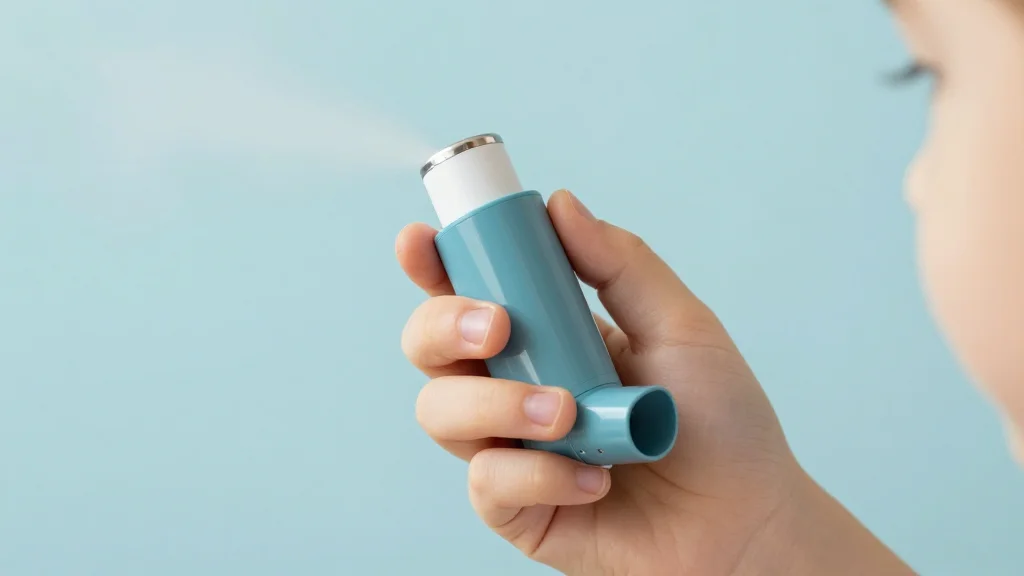
FDA Clears MannKind's Afrezza Inhalable Insulin for Kids 6+, Expanding Pediatric Diabetes Options

Why It Matters
The FDA’s clearance of Afrezza for pediatric use marks a watershed moment for diabetes care, introducing the first inhalable insulin approved for children. By offering a needle‑free alternative, the therapy could improve adherence, reduce injection‑related anxiety, and ultimately lead to better glycemic control in a vulnerable age group. The decision also validates MannKind’s decades‑long investment in inhaled insulin technology, potentially encouraging other firms to pursue non‑injectable delivery platforms. From a market perspective, the approval expands the competitive set in the pediatric insulin market, traditionally dominated by injectable analogues. If insurers adopt the $35 per‑month pricing model, Afrezza could capture a meaningful share of a $5 billion segment, providing MannKind with a new growth engine. Moreover, the move may accelerate payer and provider discussions around coverage for device‑based therapies, influencing reimbursement frameworks for future inhaled or oral biologics.
Key Takeaways
- •FDA approves Afrezza inhalable insulin for children and adolescents aged 6+ with type 1 or type 2 diabetes (May 30, 2026).
- •Approval based on INHALE‑1 trial data and two decades of safety evidence.
- •Pricing set at $35 or less per month, aiming for broad affordability.
- •First pediatric indication for an inhaled insulin, opening a new segment in a $5 billion U.S. market.
- •MannKind expects nationwide rollout within the next quarter, targeting endocrinology and pediatric diabetes clinics.
Pulse Analysis
MannKind’s breakthrough reflects a strategic pivot from its earlier struggles to gain traction in the adult insulin market. By leveraging a robust safety dossier and a clear unmet need—needle‑phobia among children—the company has repositioned Afrezza as a differentiated therapeutic option. The $35 price point is deliberately low to pre‑empt payer resistance, but the real test will be whether insurers view the inhaler device as a cost‑effective alternative to syringes and pens. If coverage aligns, Afrezza could quickly achieve scale, given the sizable pediatric diabetes population in the United States.
The approval also signals a regulatory openness to novel delivery mechanisms when backed by extensive longitudinal data. This could embolden other biotech firms to revisit inhaled or oral formulations that were previously sidelined due to perceived safety concerns. In the short term, competitors are likely to monitor real‑world outcomes closely; any signal of superior adherence or reduced hypoglycemia could shift prescribing habits. Conversely, if device‑related issues emerge, it may reinforce the status quo of injectable analogues.
Looking ahead, the pediatric inhaled insulin market may become a proving ground for broader non‑injectable diabetes technologies, including next‑generation oral peptides and transdermal patches. MannKind’s success—or failure—will inform investor sentiment on the viability of device‑centric drug development in chronic disease. For patients and families, the approval offers a tangible improvement in daily disease management, potentially reducing the psychological burden of injections and improving quality of life.
Overall, the FDA’s decision not only expands treatment options for a vulnerable demographic but also reshapes competitive dynamics in the diabetes space, prompting a re‑evaluation of how delivery technology can drive therapeutic differentiation.
FDA Clears MannKind's Afrezza Inhalable Insulin for Kids 6+, Expanding Pediatric Diabetes Options
Comments
Want to join the conversation?
Loading comments...