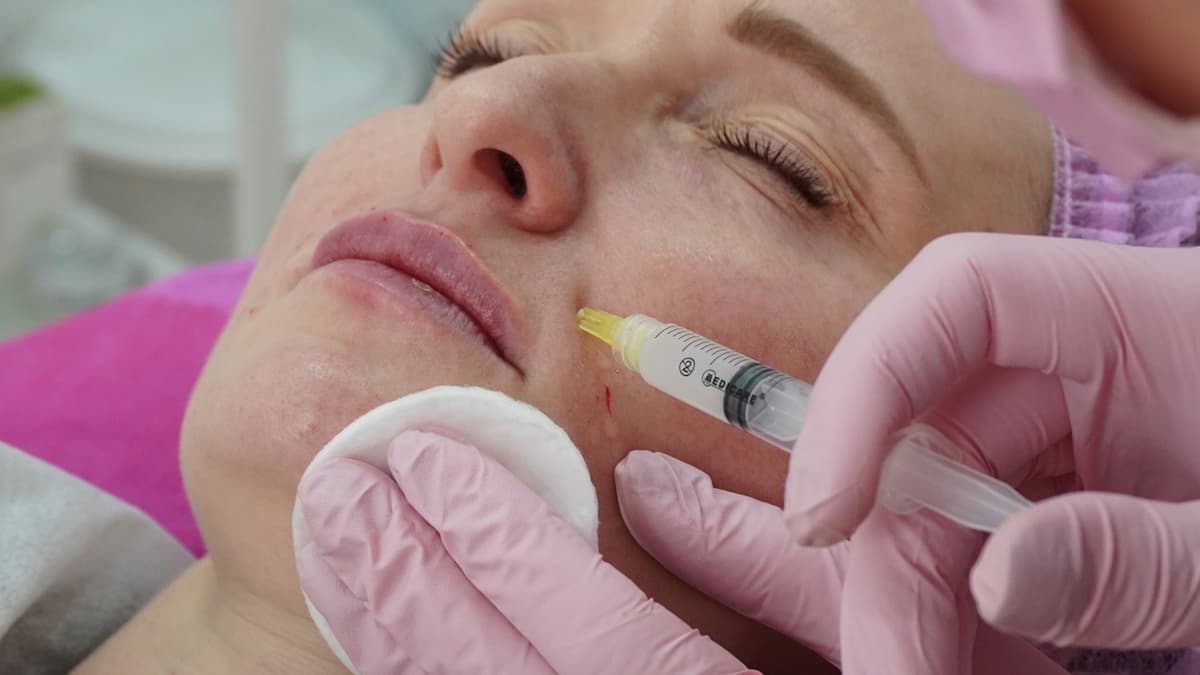
FDA Declines to Approve AbbVie's Botox Follow-Up
Companies Mentioned
Why It Matters
The setback delays AbbVie's entry into a niche segment that could broaden its Botox franchise and attract first‑time users, while highlighting regulatory scrutiny of manufacturing processes in biologics. Success with TrenibotE would diversify AbbVie’s revenue streams and reinforce its market leadership amid rising competition.
Key Takeaways
- •FDA issued CRL over manufacturing data for TrenibotE
- •TrenibotE targets faster onset, 2‑3 week effect
- •AbbVie expects to address comments without new clinical trials
- •Botox generates $6.4 billion combined sales globally
- •TrenibotE could serve as trial product for new patients
Pulse Analysis
The botulinum toxin market has long been anchored by AbbVie’s Botox, a product that commands a dominant share across therapeutic and aesthetic applications. With global sales approaching $6.4 billion last year, the brand’s longevity is underpinned by a broad pipeline that includes migraine, spasticity, and overactive bladder treatments. Competitors such as Dysport, Xeomin, and Myobloc have carved out niches, but none have matched Botox’s scale, especially in the United States, which accounts for roughly three‑quarters of AbbVie’s revenue from the product.
TrenibotE was positioned as a strategic “gateway” offering—promising onset in as little as eight hours and a duration of two to three weeks, markedly shorter than Botox’s typical three‑to‑seven‑day onset and multi‑week effect. The FDA’s complete response letter, however, zeroed in on gaps in the manufacturing dossier, a common hurdle for biologics where process consistency is critical. AbbVie emphasized that the regulator did not request additional clinical data, suggesting the path forward hinges on technical clarifications rather than new safety studies. If addressed promptly, the review could resume within months, preserving AbbVie’s timeline for market entry.
From a strategic perspective, launching TrenibotE could expand AbbVie’s addressable market by attracting consumers hesitant to commit to Botox’s longer‑lasting results. A shorter‑acting product serves as a low‑commitment trial, potentially converting first‑time users into long‑term Botox customers. Moreover, diversifying the product portfolio mitigates competitive pressure and reinforces AbbVie’s pricing power. The outcome of this regulatory dialogue will signal how quickly the company can capitalize on this niche, influencing both its cosmetic revenue trajectory and broader industry dynamics.
FDA declines to approve AbbVie's Botox follow-up
Comments
Want to join the conversation?
Loading comments...