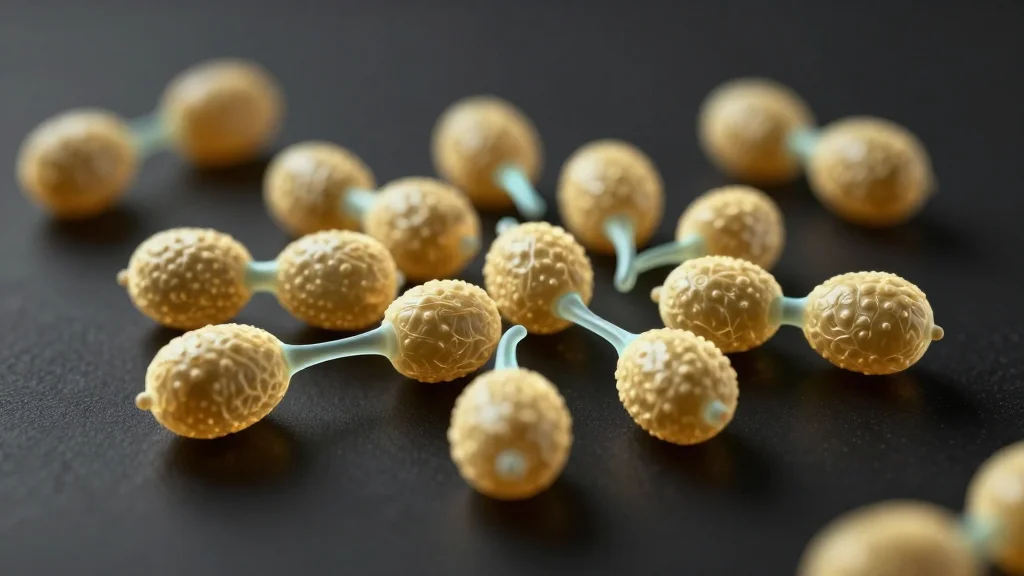
Fighting Antimicrobial Resistance with Biomaterials and Phages
Why It Matters
These innovations bypass the failing antibiotic pipeline, offering scalable, resistance‑proof solutions for chronic wounds, implants, and hard‑to‑treat infections, thereby reducing mortality and healthcare costs associated with AMR.
Key Takeaways
- •bacNID nanoplatform degrades MurD, halting bacterial cell wall synthesis
- •bacNID shows dose‑dependent killing without resistance development in vivo
- •Modified “tricker” bacteria penetrate biofilms, release drugs, and boost immune memory
- •Phage cocktail restored fluoroquinolone susceptibility in a refractory P. aeruginosa case
- •Biomaterial‑phage combos promise personalized, scalable therapies against AMR infections
Pulse Analysis
Antimicrobial resistance has outpaced the development of new antibiotics, forcing the biomedical field to look beyond conventional drug discovery. Nanotechnology offers a compelling route: the bacNID system couples MurD‑targeting peptides with gold nanoparticles, delivering a "Trojan horse" that co‑opts bacterial ClpXP proteases to dismantle a critical cell‑wall enzyme. By focusing on protein degradation rather than static inhibition, this approach sidesteps the rapid mutational escape that plagues traditional antibiotics, delivering dose‑responsive bactericidal activity while sparing mammalian cells. Its versatility across bacterial species and compatibility with alternative nanocarriers position it as a platform technology for future AMR interventions.
Biofilm‑associated infections, especially around orthopedic implants, remain a therapeutic blind spot because extracellular polymeric substances block drug penetration and dampen immune responses. Researchers have engineered "tricker" bacteria—chemically primed, non‑viable cells that retain membrane porosity—to infiltrate mature biofilms, release encapsulated antibiotics, and reprogram local immune cells toward a pro‑inflammatory, pathogen‑clearing phenotype. In murine models, this strategy not only eradicated MRSA biofilms but also generated systemic memory, enabling rapid rejection of subsequent bacterial challenges. The dual action of mechanical drug delivery and immune activation suggests a new class of biofilm‑targeted therapeutics that could reduce the need for implant removal surgeries.
Phage therapy, once a niche curiosity, is gaining clinical traction as a precision tool against multidrug‑resistant organisms. A recent case involving a 36‑year‑old with refractory Pseudomonas aeruginosa mediastinitis demonstrated that a curated phage cocktail, identified through rapid susceptibility screening, could restore susceptibility to oral fluoroquinolones and achieve infection control without adverse immune reactions. Integrating phages with biomaterial carriers—such as hydrogels or nanoparticle depots—could further enhance stability, target delivery, and synergy with antibiotics. As regulatory pathways mature and phage libraries expand, these biologically engineered solutions are poised to complement, and perhaps replace, high‑cost, toxicity‑laden antibiotic regimens in the fight against AMR.
Fighting Antimicrobial Resistance with Biomaterials and Phages
Comments
Want to join the conversation?
Loading comments...