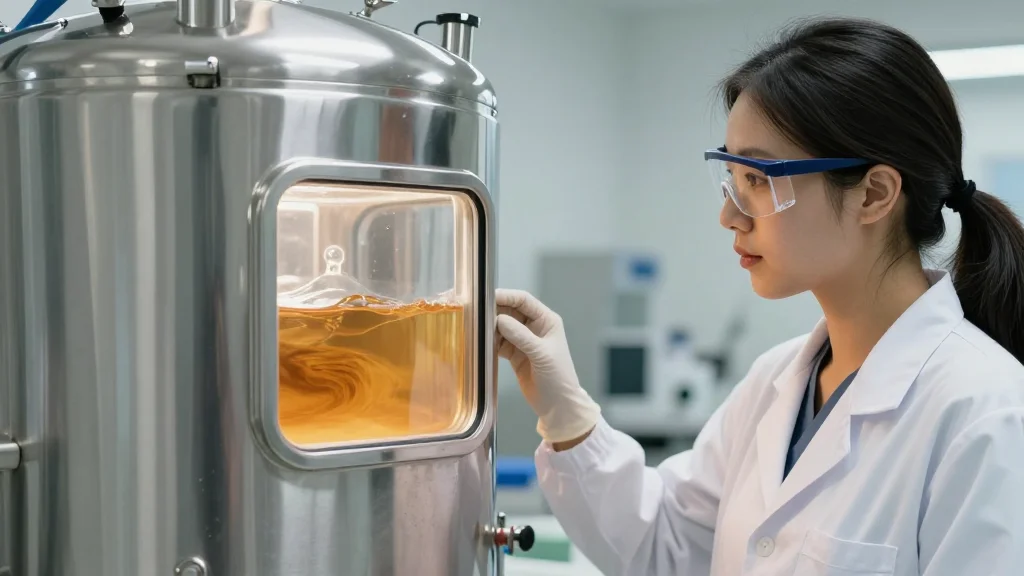
From PC to CPV: Preserving Process Knowledge Through Late‑Phase Tech Transfer
Why It Matters
Preserving established PC reduces costly rework and accelerates validation, giving biopharma sponsors a faster, more reliable path to market.
Key Takeaways
- •Catalent uses risk‑based gap analysis to preserve sponsor PC
- •Structured bridging aligns scale, equipment, consumables, and analytical methods
- •Process characterization directly informs validation acceptance criteria
- •Approach minimizes rework and accelerates inspection‑ready CPV readiness
- •Webinar targets CMC leaders seeking seamless late‑phase tech transfer
Pulse Analysis
Late‑phase technology transfer is a critical juncture for biopharma programs, where years of process characterization must survive a move to commercial manufacturing. Companies often struggle with data translation, scale‑up gaps, and divergent equipment, leading to costly rework and delayed timelines. By treating process characterization as a strategic asset rather than a static document, firms can safeguard the scientific rationale that underpins control strategies and design space, ultimately protecting investment and patient safety.
Catalent’s methodology, presented by Danielle Wittenwyler, emphasizes a structured, risk‑based gap analysis that maps sponsor‑generated PC onto its Madison production platform. The framework systematically evaluates differences in scale, equipment, consumables, and analytical methods, prescribing fit‑for‑purpose supplemental studies only where risk dictates. This disciplined approach ensures that critical parameters retain their intended impact, while the design space and control strategy remain intact. By anchoring validation acceptance criteria directly to the original PC data, Catalent creates a seamless bridge from development to validation, reducing the need for extensive re‑qualification.
The downstream benefits extend beyond immediate project efficiency. An inspection‑ready CPV framework built on preserved PC accelerates regulatory readiness, supports continuous process verification, and provides a robust foundation for lifecycle management. For CMC executives and process scientists, adopting such a risk‑based, data‑centric transfer model translates into faster market entry, lower operational costs, and stronger compliance posture. As the industry moves toward more complex biologics and personalized therapies, the ability to retain and leverage process knowledge will become a decisive competitive advantage.
From PC to CPV: Preserving Process Knowledge Through Late‑Phase Tech Transfer
Comments
Want to join the conversation?
Loading comments...