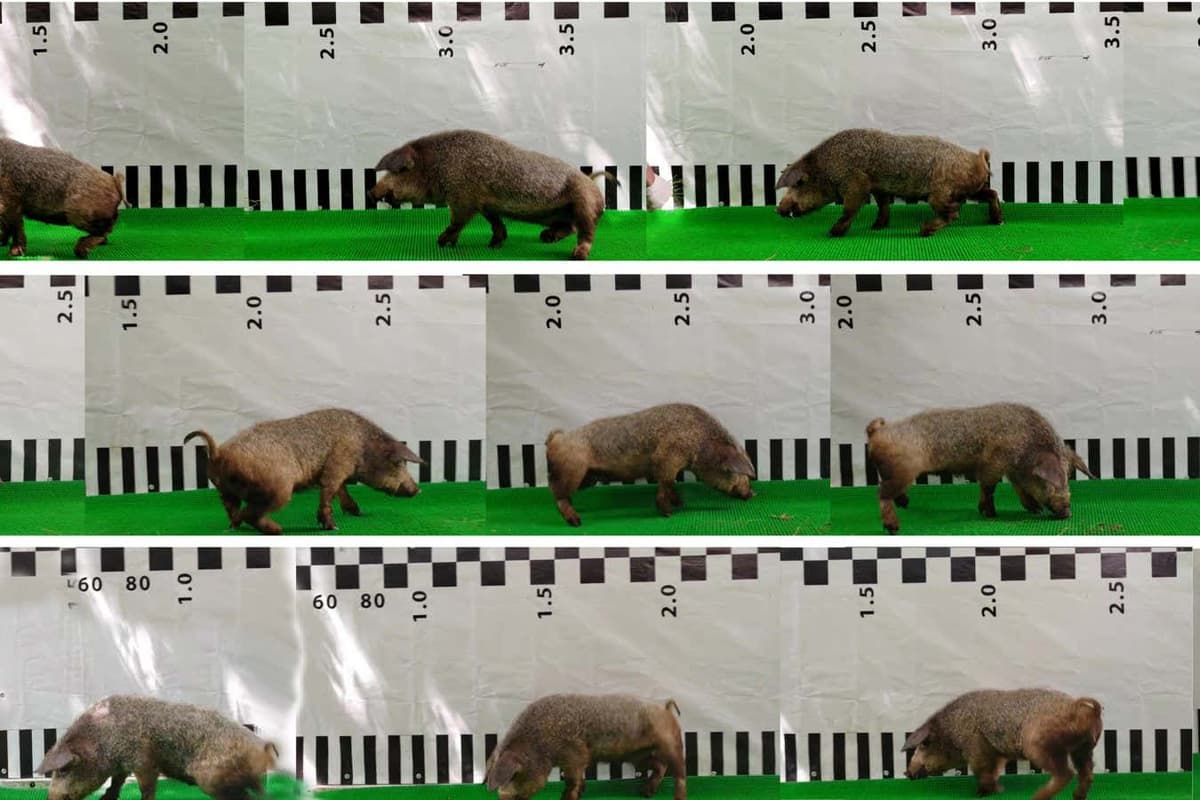
‘Fusogenic’ Neurosurgery Let Paralysed Pigs Walk Again – Are We Next?
Why It Matters
If reproducible, fusogenic neurosurgery could create a novel therapeutic avenue for paralysis, reshaping spinal‑cord injury care and attracting biotech investment.
Key Takeaways
- •PEG‑chitosan fusogen restored limited motor function in all treated pigs
- •Control pigs showed no recovery, confirming effect of fusogenic treatment
- •Study used cooling, precise transection, and daily electrostimulation protocol
- •Researchers plan larger animal trials before human clinical studies
- •Russia to list spinal cord as transplantable tissue in 2026
Pulse Analysis
Spinal‑cord injury remains one of the most devastating medical conditions, affecting over 15 million people worldwide and offering few effective interventions. The recent Russian study introduces a fusogenic approach that combines polyethylene glycol, a membrane‑sealing agent, with chitosan, a biocompatible scaffold. By injecting this blend directly into a cleanly transected cord and pairing it with twice‑daily electrostimulation, the team achieved measurable motor and sensory recovery in all three treated pigs—a result that starkly contrasts with the complete paralysis observed in the control group.
The underlying science hinges on PEG’s ability to fuse disrupted axonal membranes, while chitosan provides structural support that may guide regrowth. Histological analysis showed thickened, twisted axons forming bridges across the lesion, indicating that some nerve fibers re‑established continuity. However, the experimental conditions—rapid cooling, precise surgical cuts, and intensive post‑operative care—are far removed from the chaotic environment of typical human trauma, where inflammation and scarring dominate. Critics also note the absence of immediate electrophysiological verification, leaving open the possibility that some fibers were unintentionally spared during transection.
Looking ahead, the investigators intend to scale up the model, involve independent laboratories, and eventually transition to human trials. Russia’s upcoming legal classification of spinal‑cord tissue as transplantable could streamline regulatory pathways, but ethical and safety concerns loom large, especially given the broader discourse on head‑transplant ambitions. Independent replication, rigorous oversight, and transparent data will be essential to separate genuine therapeutic promise from speculative hype, ensuring that any future clinical application truly benefits the millions living with paralysis.
‘Fusogenic’ neurosurgery let paralysed pigs walk again – are we next?
Comments
Want to join the conversation?
Loading comments...