GE HealthCare: First Patient Dosed in Trial for Manganese-Based MRI Contrast Agent
Companies Mentioned
Why It Matters
Mangaciclanol could mitigate gadolinium‑related safety concerns and diversify the MRI contrast market, strengthening GE HealthCare’s product portfolio and supply chain resilience.
Key Takeaways
- •First patient dosed in Phase 2/3 LUMINA trial at Mayo Clinic.
- •Mangaciclanol received FDA Fast Track for adults and children 2+.
- •Agent could replace gadolinium, reducing retention risks.
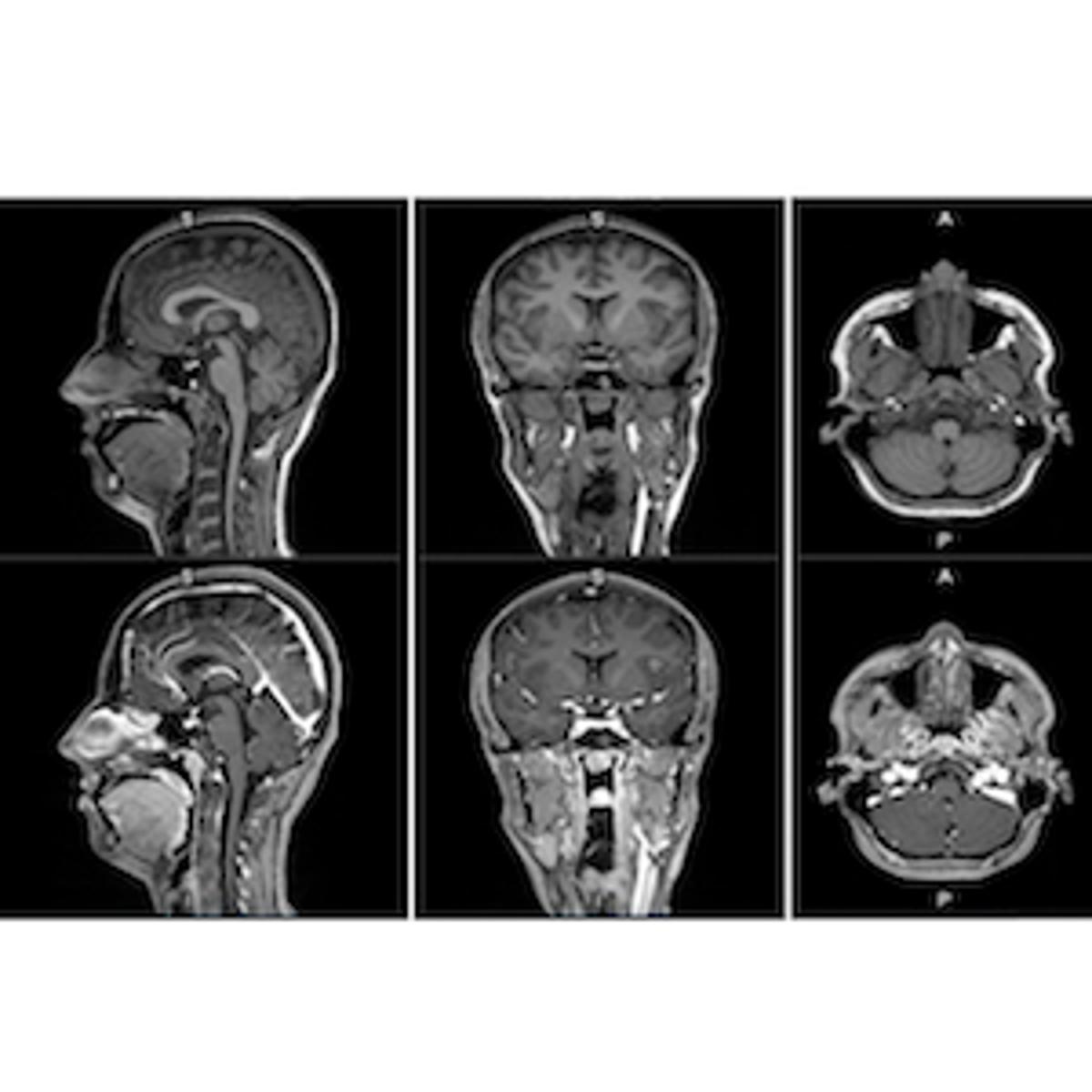
- •Comparable relaxivity to gadobutrol shown in early images.
- •One-third of MRI exams use contrast agents, ~65 M procedures annually.
Pulse Analysis
Magnetic resonance imaging relies heavily on contrast agents to highlight vascular abnormalities, yet the dominant gadolinium‑based compounds have faced scrutiny over tissue retention and rare nephrogenic systemic fibrosis. Industry analysts estimate that about one‑third of the 200 million annual MRI scans worldwide require contrast, translating to roughly 65 million procedures that could benefit from safer alternatives. Regulatory pressure and patient safety concerns have spurred research into non‑gadolinium agents, positioning manganese‑based compounds as a promising frontier.
Mangaciclanol, GE HealthCare’s investigational manganese chelate, leverages a macrocyclic cage that limits metal release, mirroring the endogenous manganese pathways already present in the human diet. Early Phase 1 data demonstrated tolerability with no serious adverse events, and Phase 2/3 LUMINA imaging has shown relaxivity on par with gadobutrol, the benchmark gadolinium agent. The FDA’s Fast Track designation accelerates review timelines, reflecting the agency’s recognition of a significant unmet need for contrast media that can be safely administered to vulnerable populations, including pediatric and renal‑impaired patients.
For GE HealthCare, the trial milestone reinforces its leadership in diagnostic imaging and diversifies its contrast‑media portfolio amid supply‑chain volatility affecting rare‑earth metals. A successful approval could capture a sizable share of the global contrast market, offering hospitals a lower‑risk option and potentially reducing regulatory burdens associated with gadolinium monitoring. Competitors are also advancing manganese and iron‑based agents, suggesting a forthcoming shift in the imaging ecosystem where safety, cost, and supply stability become decisive factors for adoption.
GE HealthCare: First Patient Dosed in Trial for Manganese-based MRI Contrast Agent
Comments
Want to join the conversation?
Loading comments...