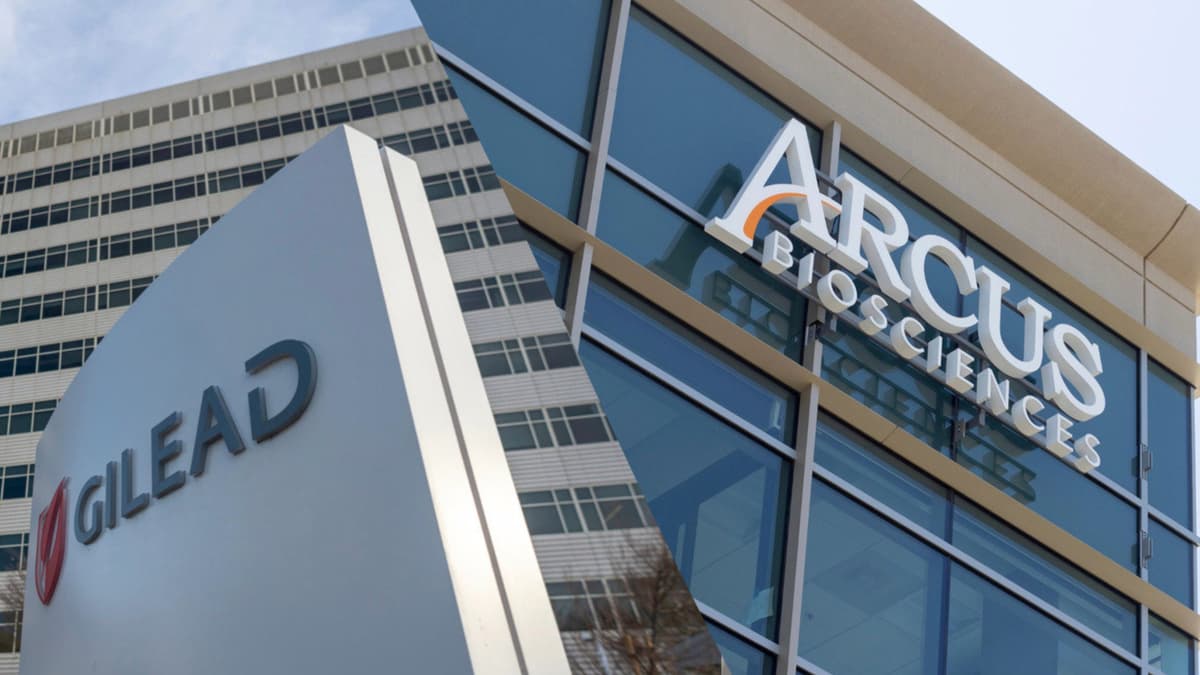
Gilead Declines Another Arcus Option After Phase 3 TIGIT Fail
Companies Mentioned
Why It Matters
The termination curtails Arcus’s near‑term revenue prospects and forces Gilead to reallocate resources toward more promising candidates, affecting both firms’ valuation and strategic direction.
Key Takeaways
- •Gilead ends another development option with Arcus after TIGIT flop
- •Phase 3 TIGIT trial missed primary endpoint, halting immuno‑oncology hopes
- •Partnership cut may strain Arcus's cash runway and valuation
- •Gilead refocuses on internal pipeline and other external assets
- •TIGIT failures raise caution for similar checkpoint drug programs
Pulse Analysis
The Gilead‑Arcus alliance, launched in 2018, was built around a shared ambition to bring a TIGIT‑targeted checkpoint inhibitor to market. TIGIT, a protein that modulates immune response, had generated optimism after early‑stage data suggested synergistic activity with PD‑1 blockers. However, the recent Phase 3 trial failed to meet its primary efficacy endpoint, delivering a stark reminder that not all checkpoint pathways translate into clinical benefit. The disappointment not only halted a high‑profile asset but also triggered a contractual review, prompting Gilead to decline an additional option on Arcus’s pipeline.
For Gilead, the decision reflects a broader strategic shift toward prioritizing assets with clearer regulatory trajectories and stronger commercial upside. By shedding the Arcus option, the company can redirect capital to its own oncology candidates, such as the CAR‑T platform and novel antiviral programs, while preserving flexibility for future external collaborations. Investors have responded with a modest dip in Gilead’s share price, reflecting concerns over the loss of a potential blockbuster and the need to replace pipeline momentum.
The fallout reverberates across the biotech sector, where TIGIT inhibitors have been a focal point for several firms. Multiple Phase 3 failures this year have heightened scrutiny on the checkpoint class, prompting investors to demand more robust biomarker data before committing capital. Arcus, now facing reduced cash inflows from its partnership, may need to seek alternative financing or accelerate its own internal development programs. Meanwhile, the episode underscores the risk inherent in high‑cost immuno‑oncology collaborations and may temper the pace of similar deals in the near term.
Gilead declines another Arcus option after Phase 3 TIGIT fail
Comments
Want to join the conversation?
Loading comments...