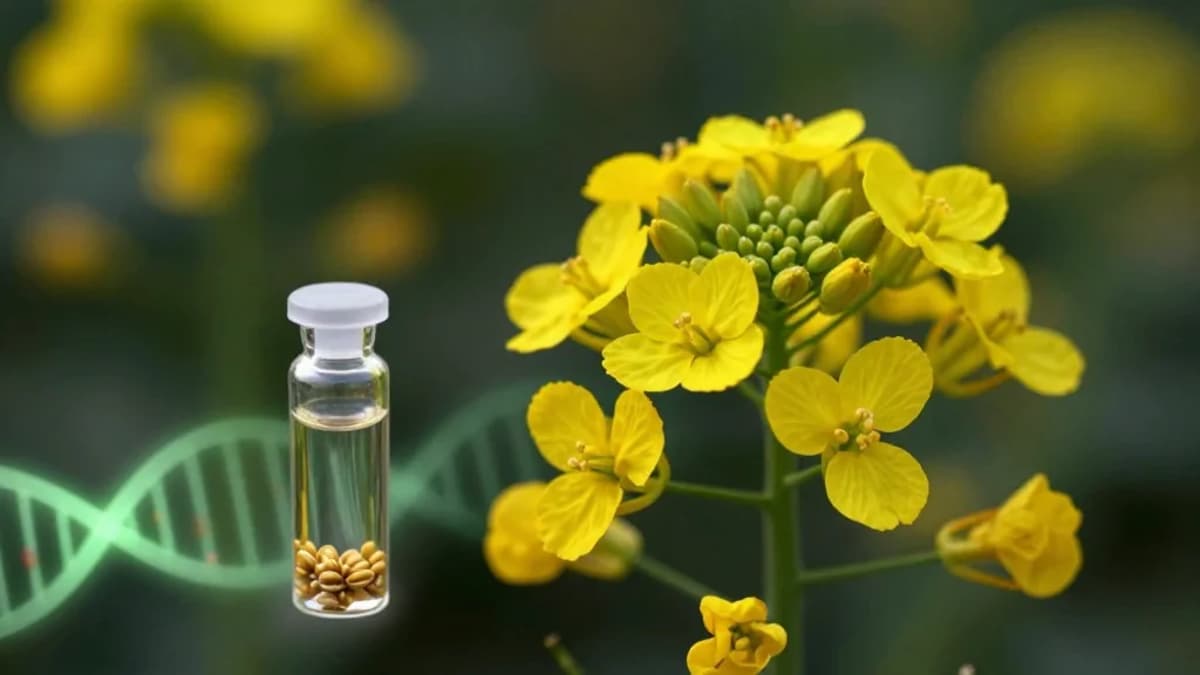
Government Panel Said to Review Future of Key GM Food Crop
•February 26, 2026
0
Why It Matters
A policy shift on GM rapeseed would boost farm productivity, reduce import dependence, and signal India’s broader acceptance of agricultural biotechnology, affecting both domestic growers and international trade partners.
Key Takeaways
- •Panel reviews GM rapeseed field trials.
- •Decision may precede Supreme Court ruling.
- •GM rapeseed could cut $17bn oil import cost.
- •Approval may open door for other food GM crops.
- •India's only approved GM crop remains Bt cotton.
Pulse Analysis
India’s regulatory environment for genetically modified crops has long been a mix of cautious optimism and legal roadblocks. While Bt cotton remains the sole approved GM variety, the current ministerial panel’s focus on rapeseed—an oilseed that fuels a $17 billion import market—marks a potential pivot. The panel’s deliberations are timed with a U.S. trade agreement that reduces duties on several agricultural products, many of which are derived from GM seeds, creating a policy nexus where trade and biotechnology intersect.
If the panel endorses the rapeseed trials, Indian farmers could see yield gains of up to 30 percent and more efficient land use, directly addressing the strain on arable acreage and rising food‑security concerns. Lowering reliance on costly imports would also improve the trade balance and may ease price pressures on edible oils. However, the move faces pushback from farmer unions wary of market flooding and from environmental groups citing biodiversity risks, underscoring the need for robust stewardship frameworks.
Beyond rapeseed, a green light could set a precedent for other GM food crops, such as wheat or pulses, reshaping India’s biotech roadmap. The Supreme Court’s forthcoming decision will likely hinge on the panel’s recommendations, making this review a critical juncture for the nation’s agricultural policy. A successful rollout would align India with major GM‑adopting economies like the United States, Brazil, and Argentina, potentially attracting biotech investment and accelerating the modernization of the country’s agrifood sector.
Government panel said to review future of key GM food crop
0
Comments
Want to join the conversation?
Loading comments...