Honeybees and Shrimp Are Now Getting Vaccinated
Companies Mentioned
Why It Matters
Vaccinating key invertebrate species could dramatically cut disease‑related losses in multi‑billion‑dollar sectors like beekeeping and shrimp aquaculture, while reducing reliance on antibiotics. Successful deployment would set a precedent for broader invertebrate immunization in agriculture.
Key Takeaways
- •USDA conditionally approved honeybee vaccine, now rolling out US/Canada farms
- •Dalan's shrimp vaccine raised survival to 48% against V. parahaemolyticus
- •Vaccine leverages innate immunity memory via epigenetic changes
- •Field trials planned in Indonesia to validate shrimp vaccine efficacy
- •Success could enable vaccination of other agricultural invertebrates
Pulse Analysis
The emergence of vaccines for invertebrates marks a paradigm shift in agricultural biosecurity. Historically, vaccination has been limited to vertebrates because they possess an adaptive immune system capable of generating pathogen‑specific antibodies. Dalan Animal Health’s honeybee vaccine, approved by the USDA three years ago, sidesteps this limitation by targeting the innate immune response. By feeding queen bees an inactivated *Paenibacillus larvae* preparation, the colony’s offspring inherit heightened resistance not only to foulbrood bacteria but also to viral threats linked to varroa mites. This approach aligns with a $10 billion beekeeping market that annually loses hundreds of millions to disease, offering a scalable, non‑antibiotic solution.
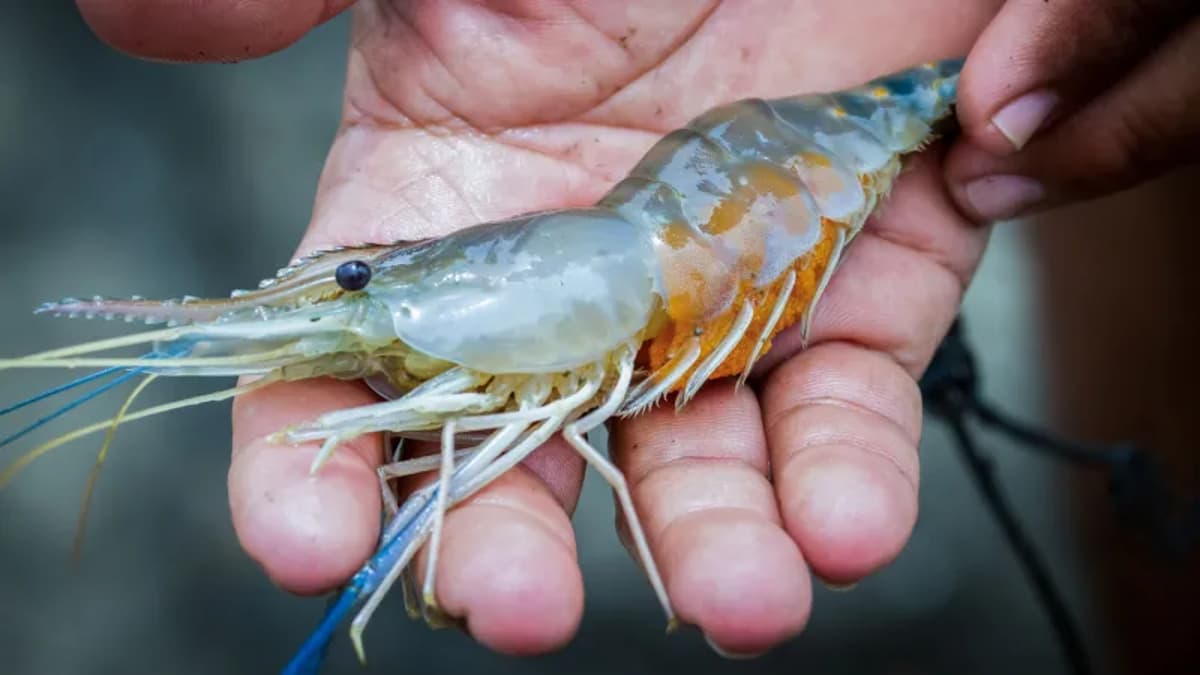
In shrimp aquaculture, a sector valued at roughly $30 billion, disease outbreaks such as early mortality syndrome and white spot syndrome can devastate production, costing billions worldwide. Dalan’s experimental shrimp vaccine, administered to broodstock, demonstrated a jump in survival from 27% to 48% against *Vibrio parahaemolyticus* and from 0% to 58% against the viral pathogen in controlled settings. The underlying science hinges on epigenetic reprogramming of innate immune cells, creating a form of transgenerational immune memory previously thought exclusive to vertebrates. While skeptics like University of Arizona’s Arun Dhar call for peer‑reviewed field data, the company’s upcoming trials in Indonesia aim to provide that evidence and satisfy regional regulators.
If validated, these vaccines could catalyze a wave of immunization strategies across a spectrum of farmed invertebrates—from silkworms to beneficial insects—reducing the sector’s dependence on antibiotics and curbing the rise of antimicrobial resistance. The economic upside is substantial: protecting pollinator health sustains crop yields, while healthier shrimp stocks secure global seafood supply chains. Moreover, the technology may inspire novel prophylactic products that leverage innate immunity, positioning companies that master epigenetic vaccine design at the forefront of a new agricultural biotech frontier.
Honeybees and shrimp are now getting vaccinated
Comments
Want to join the conversation?
Loading comments...