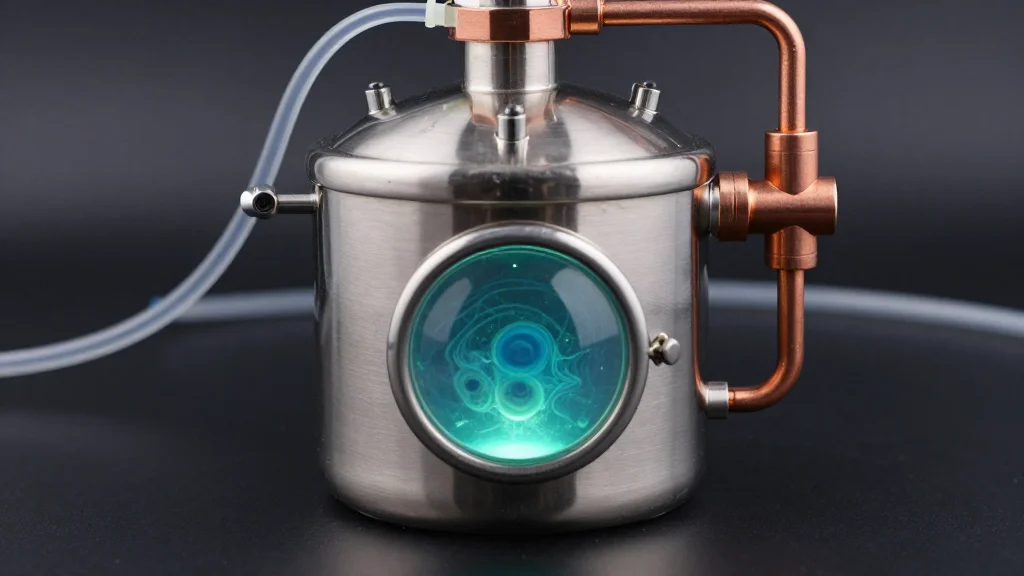
How Does Integrated Fluid Management Enable Flexible Bioproduction Across Modalities?
Why It Matters
Consistent fluid handling lowers the likelihood of costly scale‑up failures, accelerating time‑to‑market for complex biologics and improving margins for manufacturers and CDMOs.
Key Takeaways
- •Integrated fluid paths ensure product‑contact material consistency across scales.
- •Flexible systems reduce variability from benchtop to commercial bioreactors.
- •Standardized operator experience speeds scale‑up for cell and gene therapies.
- •Avantor's Masterflex provides end‑to‑end fluid management for CDMOs.
- •Early‑stage fluid strategy mitigates risk in complex bioproduction.
Pulse Analysis
Fluid management has moved from a peripheral concern to a strategic pillar in biomanufacturing, especially as cell and gene therapies demand tighter process control. At INTERPHEX 2026, Jerry Keybl emphasized that the movement of liquids, gases, and cell suspensions through interconnected hardware mirrors physiological circulation, making the reliability of each conduit critical. Inconsistent fluid paths can introduce leachables, affect mixing efficiency, and ultimately compromise product quality, forcing costly redesigns during scale‑up. By treating fluid handling as a system‑wide discipline, companies can pre‑empt these issues before they manifest at commercial scale.
Avantor’s Masterflex portfolio illustrates how integrated, modular fluid solutions address these challenges. The suite offers standardized connectors, chemically inert tubing, and precision pumps that can be swapped from benchtop reactors to multi‑thousand‑liter vessels without re‑qualifying material compatibility. This plug‑and‑play approach shortens the learning curve for operators, reduces batch‑to‑batch variability, and aligns with Good Manufacturing Practice (GMP) expectations. For contract development and manufacturing organizations, the ability to offer a consistent fluid infrastructure across client projects translates into faster onboarding and lower overhead, strengthening their competitive position in a crowded market.
Looking ahead, the convergence of continuous processing, digital twins, and advanced analytics will further elevate fluid management’s role. Real‑time monitoring of pressure, flow rate, and temperature enables predictive adjustments that keep processes within tight tolerances, a necessity for personalized therapies with narrow therapeutic windows. Companies that embed flexible, data‑rich fluid platforms now will be better positioned to adopt emerging modalities such as mRNA vaccines or engineered tissue products, ensuring they can scale efficiently while maintaining regulatory compliance and product integrity.
How Does Integrated Fluid Management Enable Flexible Bioproduction Across Modalities?
Comments
Want to join the conversation?
Loading comments...