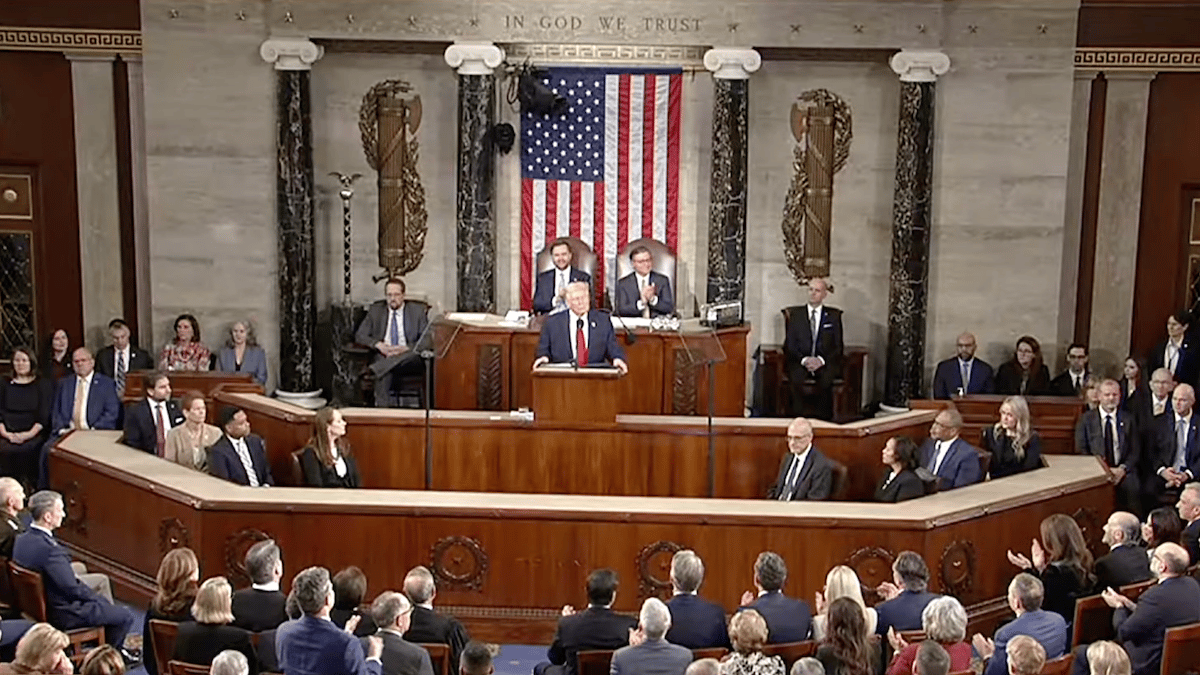
In Brief SOTU Remarks, Trump Asks Congress to "Codify" MFN
•February 25, 2026
0
Why It Matters
Codifying MFN could lock in a pricing framework that reshapes U.S. drug costs and influences future legislative battles over pharmaceutical pricing reforms.
Key Takeaways
- •Trump urged Congress to codify MFN program
- •MFN deals benchmark prices to GDP‑similar countries
- •Savings claims unverified due to nondisclosure
- •Patient example shows $4,000 drug sold for $500
- •Codification could affect Medicare pilot programs
Pulse Analysis
The Most‑Favoured Nations (MFN) approach, introduced by the Trump administration, relies on voluntary price‑benchmarking agreements with pharmaceutical manufacturers. Rather than imposing direct price caps, the policy ties U.S. drug prices to those paid in a curated set of economies with comparable gross domestic product levels. This method mirrors trade‑policy tactics used in other sectors, aiming to leverage the purchasing power of the United States to negotiate lower rates without breaching existing patent protections. While the concept promises transparency and international parity, the lack of public disclosure on specific deal terms hampers independent assessment of actual cost reductions.
Politically, the MFN push arrives at a volatile moment as midterm elections loom and bipartisan pressure mounts to address soaring prescription costs. Trump’s appeal to Senate Majority Leader John Thune and House Speaker Mike Johnson underscores a strategic effort to embed the program into law before a potential administration change. However, translating voluntary agreements into statutory language poses challenges: lawmakers must define the benchmark pool, enforcement mechanisms, and safeguards against unintended price spikes. Critics argue that codification could limit future policy flexibility, while supporters contend it would cement a market‑based solution that avoids heavy regulation.
If Congress enacts MFN legislation, the ripple effects could be significant for both consumers and the pharmaceutical industry. A legally binding benchmark could compel manufacturers to offer deeper discounts across a broader product portfolio, potentially lowering out‑of‑pocket expenses for patients like the highlighted IVF case. Conversely, firms may respond by tightening rebate structures or accelerating generic competition to protect margins. The ultimate impact will hinge on the final bill’s scope, the transparency of negotiated prices, and how the program integrates with existing Medicare pilots. Stakeholders will be watching closely to gauge whether MFN becomes a durable tool for curbing drug inflation or a politically symbolic gesture.
In brief SOTU remarks, Trump asks Congress to "codify" MFN
0
Comments
Want to join the conversation?
Loading comments...