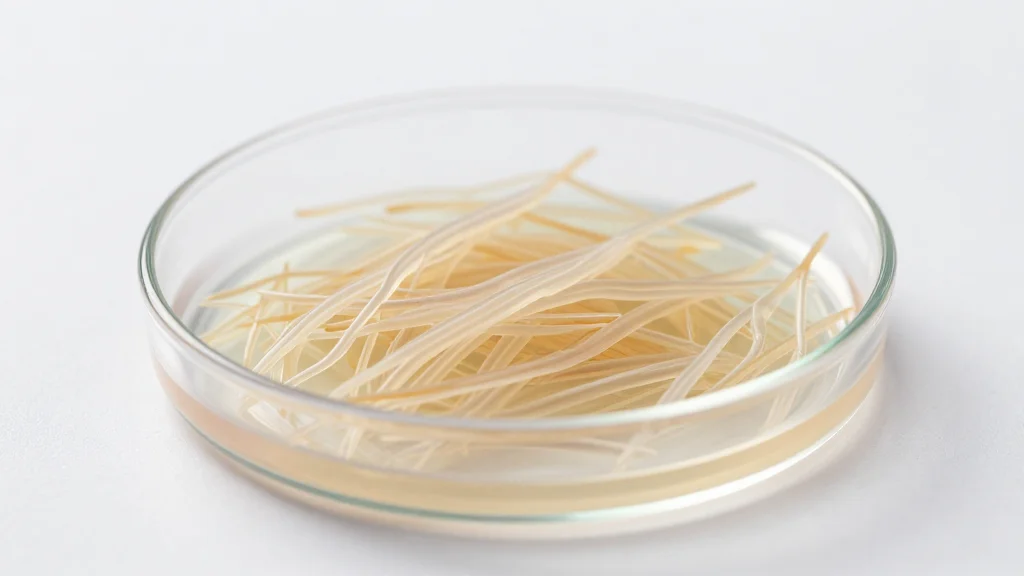
Lab-Grown Canine Muscle Cells Offer Solution for Early Therapeutic Testing
Why It Matters
Myok9 offers a scalable, ethical alternative for preclinical screening, potentially shortening development timelines and aligning with federal pushes to reduce animal use in research.
Key Takeaways
- •Myok9 immortalized canine muscle cells extend in‑vitro lifespan dramatically
- •Enables high‑throughput screening of gene therapies before animal trials
- •Supports NIH mandate to reduce animal use in preclinical research
- •Open‑access distribution promises global collaboration on muscle disease studies
Pulse Analysis
The emergence of Myok9 reflects a growing trend toward cell‑based platforms that replace traditional animal models in the earliest phases of drug discovery. By immortalizing canine myoblasts, Texas A&M scientists have produced a line that retains the physiological relevance of primary muscle cells while overcoming their limited replication capacity. This breakthrough gives researchers a reliable, reproducible substrate for testing molecular efficacy, toxicity, and gene‑editing outcomes, addressing a long‑standing bottleneck where primary cells die after only a few passages.
From a development perspective, Myok9 can dramatically accelerate the screening pipeline. High‑throughput assays that once required dozens of animal subjects can now be performed in multi‑well plates, allowing rapid iteration of candidate compounds and genetic constructs. The extended lifespan of the cells means longitudinal studies of muscle regeneration and disease pathways are feasible without repeated animal harvests. Consequently, biotech firms and academic labs can de‑risk projects earlier, allocate resources more efficiently, and potentially bring effective therapies to market faster.
Beyond speed, the cell line aligns with federal directives, such as the NIH’s 3Rs (Replace, Reduce, Refine) initiative, by offering a tangible method to replace animal use in the preclinical stage. Its open‑access model encourages worldwide adoption, fostering collaborative research on canine muscular disorders that often serve as proxies for human conditions. As more institutions integrate Myok9 into their workflows, the cumulative reduction in animal use could reshape ethical standards in biomedical research while still delivering robust, translatable data for therapeutic advancement.
Lab-grown canine muscle cells offer solution for early therapeutic testing
Comments
Want to join the conversation?
Loading comments...