Why It Matters
Antibiotic resistance threatens global health, and preserving unique habitats like the Atacama is essential for discovering new drugs. The story also illustrates how green‑energy supply chains can unintentionally jeopardize the very solutions they aim to enable.
Key Takeaways
- •Antibiotic resistance could cause 39 million deaths 2024‑2050
- •Cristina Dorador searches Atacama for novel microbes
- •Lithium mining endangers desert ecosystem and Indigenous lands
- •Documentary contrasts scientific quest with fragile Atacama beauty
- •Sustainable mining needed to protect future drug‑discovery sites
Pulse Analysis
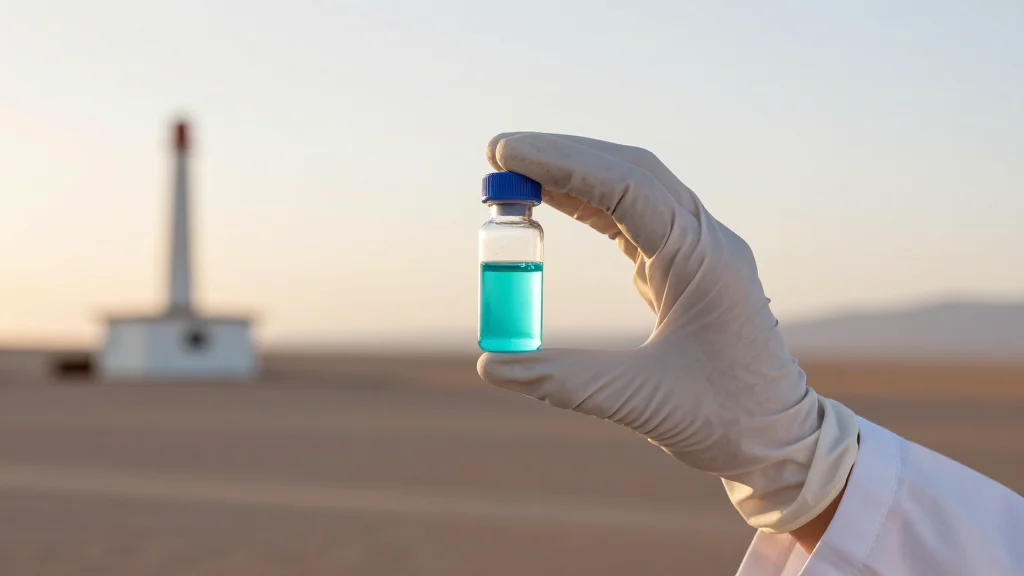
Antibiotic resistance is fast becoming the most pressing public‑health challenge of the 21st century. As bacteria outpace existing drugs, researchers are turning to extreme environments—like the hyper‑arid Atacama Desert—for untapped microbial diversity that could yield the next generation of antibiotics. The documentary "Life Invisible" captures this scientific race, illustrating how even a handful of newly discovered strains could shift the trajectory of millions of potential infections.
At the same time, the global shift toward electric vehicles and renewable energy has sparked a surge in lithium demand, positioning the Atacama as a prime mining frontier. Extraction projects promise economic growth but also risk contaminating soil, depleting scarce water sources, and displacing Indigenous communities who have stewarded the land for centuries. The film highlights how these parallel forces—medical innovation and green‑energy extraction—are colliding, raising questions about the true cost of sustainability when critical research habitats are compromised.
"Life Invisible" serves as a call to action for policymakers, investors, and the public. By showcasing the delicate balance between preserving biodiversity and meeting energy needs, the documentary urges the adoption of stricter environmental safeguards and community‑led mining practices. Protecting the Atacama’s unique microbiome not only safeguards an ecological treasure but also secures a vital pipeline for future antibiotic breakthroughs, reinforcing the interdependence of health, environment, and technology.
Life invisible
Comments
Want to join the conversation?
Loading comments...