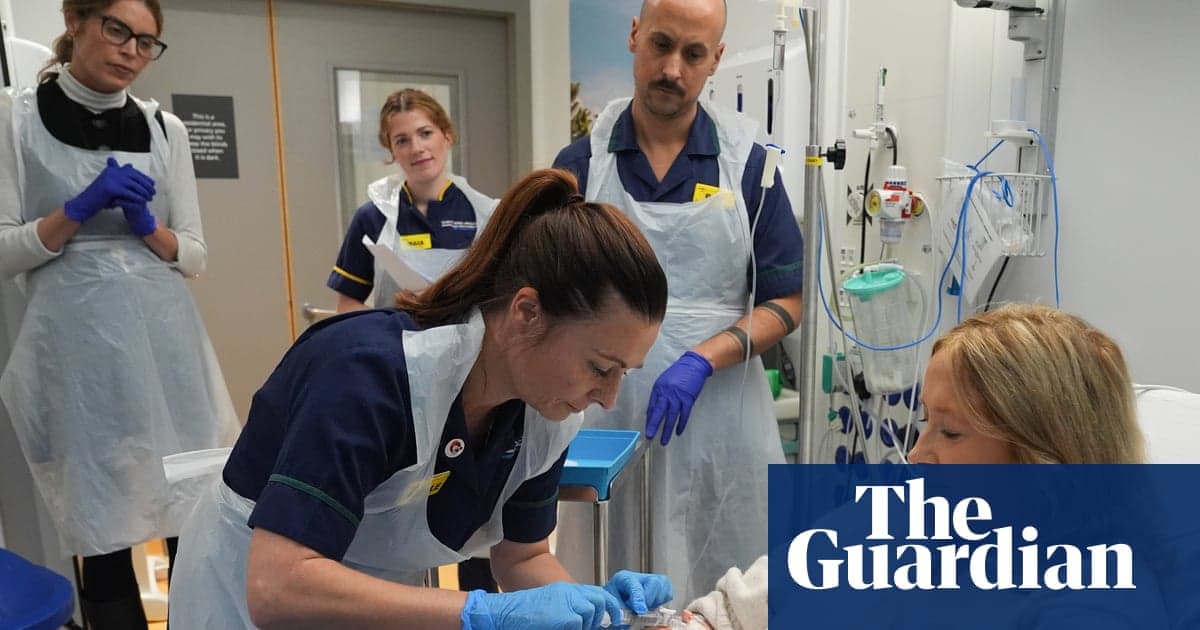
Lupus Patients in England in Remission After Pioneering NHS Trial of GM Therapy
Why It Matters
CAR‑T therapy could transform lupus management by offering a one‑time immune reset, reducing dependence on chronic immunosuppressants and lowering long‑term healthcare costs. Success in this trial signals a shift toward cellular therapies for autoimmune disorders, expanding the market beyond oncology.
Key Takeaways
- •Five of nine lupus patients entered remission after CAR‑T therapy
- •Lower-dose CAR‑T achieved remission within months, followed 11‑month average
- •Higher-dose patients show early signs, need longer follow‑up
- •Therapy could replace lifelong immunosuppressants for severe lupus
- •Trial demonstrates CAR‑T’s potential beyond oncology, prompting larger studies
Pulse Analysis
Lupus remains a formidable autoimmune challenge, affecting roughly five million people worldwide and often demanding lifelong immunosuppressive drugs that carry significant side‑effects. Traditional therapies focus on symptom management rather than disease eradication, leaving patients vulnerable to organ damage and reduced quality of life. The urgency for a curative approach has driven researchers to explore innovative modalities that can reset the immune system without continuous medication.
CAR‑T cell therapy, originally a breakthrough in hematologic cancers, repurposes a patient’s T‑cells to target disease‑specific antigens. In the UCLH trial, nine severe lupus cases received either a lower or higher dose of engineered cells; five lower‑dose recipients achieved remission within months, with kidney function stabilising and systemic inflammation waning. Follow‑up data over an average of 11 months show sustained remission, while the higher‑dose cohort is still under observation but shows promising early trends.
If subsequent larger trials confirm these findings, CAR‑T could redefine treatment protocols for autoimmune diseases, shifting the paradigm from chronic drug regimens to a single, potentially curative intervention. This would not only improve patient outcomes but also alleviate the economic burden on the NHS and private insurers. Moreover, the success may accelerate investment in cell‑based therapies across the biotech sector, prompting pharmaceutical firms to diversify pipelines beyond oncology and into the expansive autoimmune market.
Lupus patients in England in remission after pioneering NHS trial of GM therapy
Comments
Want to join the conversation?
Loading comments...