Mini-Brains Grown From Stem Cells Offer Hope for Treating Devastating Childhood Disease
Why It Matters
The approach accelerates discovery of personalized treatments for devastating childhood brain diseases while reducing dependence on animal models, potentially shortening the path to effective therapies.
Key Takeaways
- •Patient-derived organoids mimic disease hallmarks in vitro
- •CRISPR correction cut inflammatory markers by 70%
- •Small-molecule screen identified candidate improving synaptic activity
- •Platform enables rapid, personalized drug testing for children
- •Reduces reliance on animal models for neurodegeneration research
Pulse Analysis
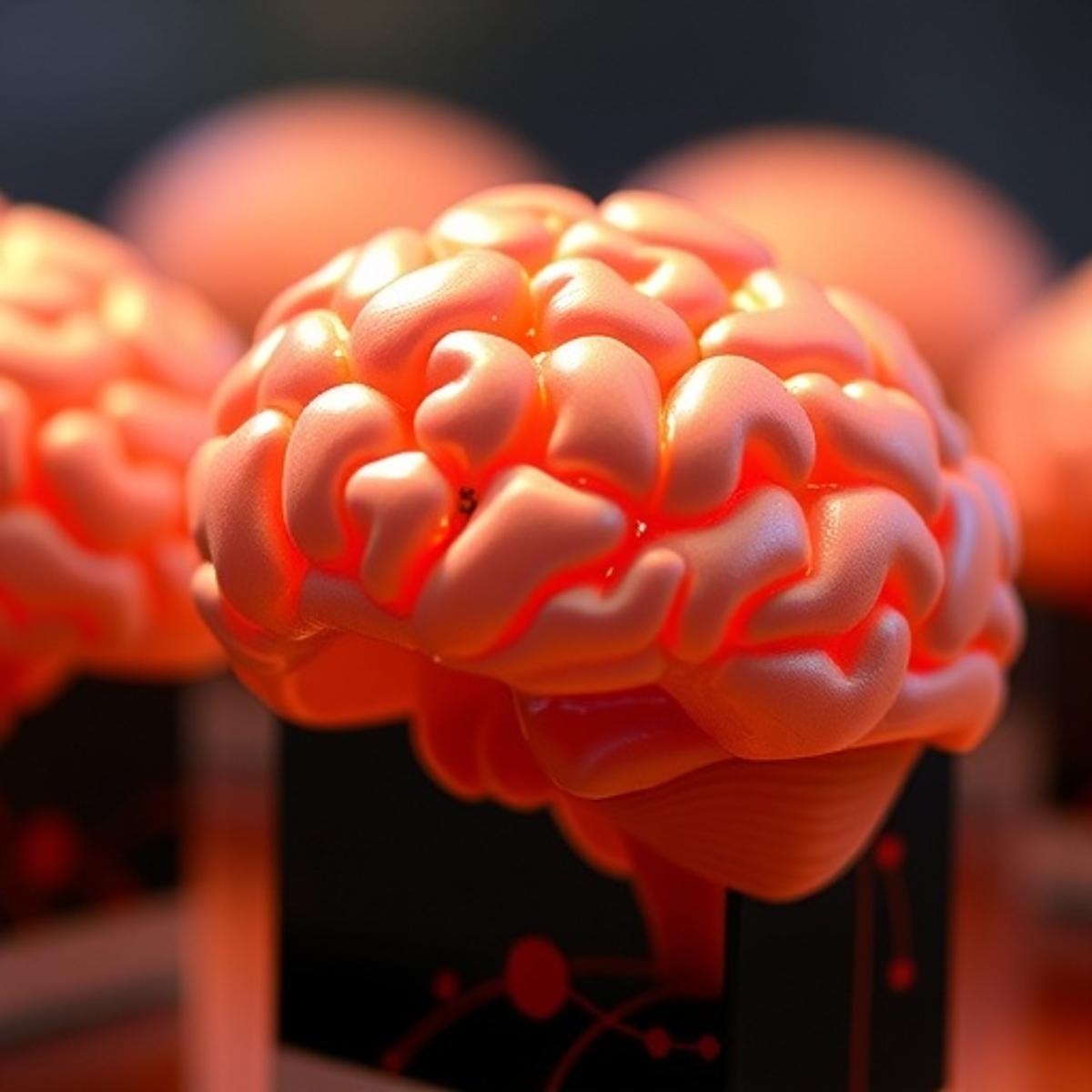
The rise of cerebral organoids—three‑dimensional clusters of brain‑like cells—has reshaped how scientists study complex neurological conditions. In the latest breakthrough, a consortium of neurobiologists and genetic engineers cultivated mini‑brains from stem cells harvested from children afflicted with a lethal pediatric neurodegenerative disease. These organoids faithfully recapitulated key pathological features, such as abnormal neuronal firing patterns and heightened inflammatory signaling, offering a human‑relevant model that surpasses traditional rodent studies in both fidelity and ethical considerations.
Beyond modeling, the team leveraged CRISPR‑Cas9 to correct the underlying genetic mutation within the organoids. Post‑editing analyses revealed a dramatic 70% reduction in pro‑inflammatory cytokines and a restoration of synaptic connectivity comparable to healthy controls. Simultaneously, a high‑throughput small‑molecule screen identified a candidate compound that further boosted synaptic function, highlighting the platform’s capacity for rapid therapeutic discovery. This dual‑pronged strategy—gene correction paired with drug screening—creates a feedback loop where promising compounds can be tested on genetically corrected tissue, sharpening efficacy signals before human trials.
For the biotech and pharmaceutical sectors, the implications are profound. A patient‑specific organoid pipeline can truncate the preclinical timeline, lower R&D costs, and de‑risk late‑stage failures that have historically plagued neurodegenerative drug development. Moreover, the reduction in animal usage aligns with growing regulatory and public pressure for humane research practices. As more companies adopt organoid‑based platforms, we can expect an influx of precision‑medicine candidates targeting rare childhood brain disorders, potentially transforming a market that has long struggled with limited therapeutic options.
Mini-Brains Grown from Stem Cells Offer Hope for Treating Devastating Childhood Disease
Comments
Want to join the conversation?
Loading comments...