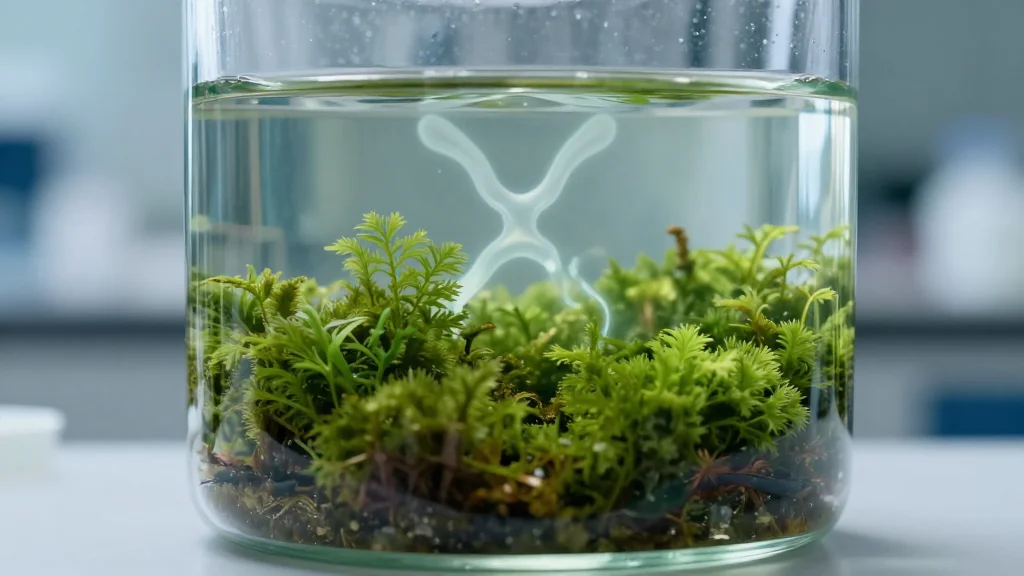
Moss Powering the Next Drug Frontier
Why It Matters
Moss enables the development of therapies that were previously abandoned due to manufacturing constraints, expanding treatment options for rare and complex diseases. Its distinct glycosylation profile can improve drug stability, efficacy, and safety, creating a competitive edge in biopharma pipelines.
Key Takeaways
- •Eleva’s moss platform yields proteins CHO cells cannot express
- •First moss‑produced Fabry enzyme entered clinical trials
- •Phase Ib moss‑derived Factor H targets C3 glomerulopathy
- •Moss eliminates animal‑derived media, lowering viral contamination risk
Pulse Analysis
The biotech community has long relied on Chinese hamster ovary (CHO) cells for biologics, but their glycosylation heterogeneity and limited capacity for large, delicate proteins create bottlenecks for next‑generation therapeutics. Moss (Physcomitrium patens) sidesteps these issues by naturally generating more uniform glycans and tolerating high‑level expression of complex multimeric structures. This biological simplicity translates into fewer downstream purification steps, reduced immunogenicity risk, and a manufacturing process that is less sensitive to temperature or pH fluctuations—attributes that are increasingly valuable as biologics become larger and more intricate.
Eleva, a spin‑out from academic research at the University of Freiburg, is turning the moss advantage into a commercial reality. Its pipeline showcases two landmark programs: a recombinant alpha‑galactosidase enzyme replacement therapy for Fabry disease, which promises longer circulation and lower immune reactions, and a moss‑produced complement Factor H currently in Phase Ib trials for complement‑mediated kidney diseases such as C3 glomerulopathy. Both candidates address unmet medical needs where existing treatments suffer from short half‑lives, poor tissue uptake, or broad immunosuppression, highlighting moss’s potential to rescue high‑value assets that conventional platforms cannot deliver.
Industry analysts view moss as a strategic niche rather than a CHO replacement. By eliminating animal‑derived media, the platform removes viral contamination concerns and cuts the cost of viral filtration, offering a leaner, more flexible supply chain. Regulatory pathways are beginning to solidify as CDMOs explore moss‑based contracts, and successful clinical read‑outs could accelerate adoption across rare‑disease and complex‑protein spaces. While scale‑up yields remain a work in progress, Eleva’s progress signals that plant‑based biomanufacturing may soon become an essential tool for developers seeking to expand their therapeutic horizons beyond the limits of traditional cell‑culture systems.
Moss Powering the Next Drug Frontier
Comments
Want to join the conversation?
Loading comments...