New Combo Shows Promise for Unknown Primary Cancer
Why It Matters
The regimen provides a targeted, effective option for CUP patients who historically faced limited therapies, potentially extending survival and enabling personalized treatment selection.
Key Takeaways
- •Phase II trial shows improved response rates in CUP patients
- •Progression‑free survival exceeds historical chemotherapy benchmarks
- •Safety profile aligns with known toxicities of each drug
- •High PD‑L1 and angiogenic markers predict better outcomes
- •Approach may translate to other diagnostically ambiguous cancers
Pulse Analysis
Cancer of unknown primary has long been a therapeutic blind spot, with clinicians forced to rely on broad‑spectrum chemotherapy that yields modest benefit. The lack of a known primary tumor hampers molecular targeting, leaving patients with poor prognoses and limited options. Recent advances in immunotherapy and anti‑angiogenesis have sparked interest in multi‑modal regimens that can overcome the heterogeneous biology of CUP, setting the stage for the Fudan CUP‑002 trial.
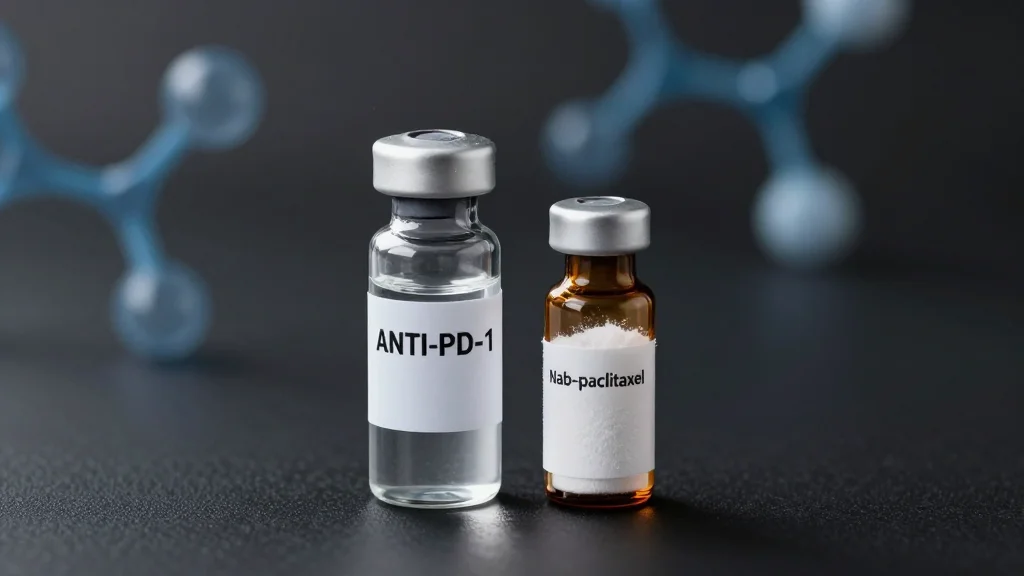
The phase II study enrolled heavily pre‑treated CUP patients and administered a coordinated three‑drug protocol: an anti‑PD‑1 antibody to reactivate T‑cell immunity, nab‑paclitaxel to deliver cytotoxic payloads directly into tumors, and bevacizumab to normalize vasculature and diminish VEGF‑driven immunosuppression. Results showed a notable increase in objective response rates and a median progression‑free survival gain of several months compared with historical controls. Importantly, biopsies revealed heightened CD8⁺ T‑cell infiltration and reduced regulatory immune cells, confirming the hypothesized synergy. Molecular profiling identified PD‑L1 positivity and specific angiogenic signatures as predictive biomarkers, offering a roadmap for selecting patients most likely to benefit.
If larger phase III trials validate these findings, the combination could become a new standard of care for CUP, influencing drug development pipelines and reimbursement models. Pharmaceutical firms may pursue similar immuno‑chemo‑anti‑angiogenic cocktails for other cancers lacking clear tissue origins, expanding market opportunities. However, cost considerations and the need for biomarker‑driven patient selection will be critical for real‑world adoption. Overall, the study marks a pivotal step toward precision oncology for one of the most enigmatic cancer categories.
New Combo Shows Promise for Unknown Primary Cancer
Comments
Want to join the conversation?
Loading comments...