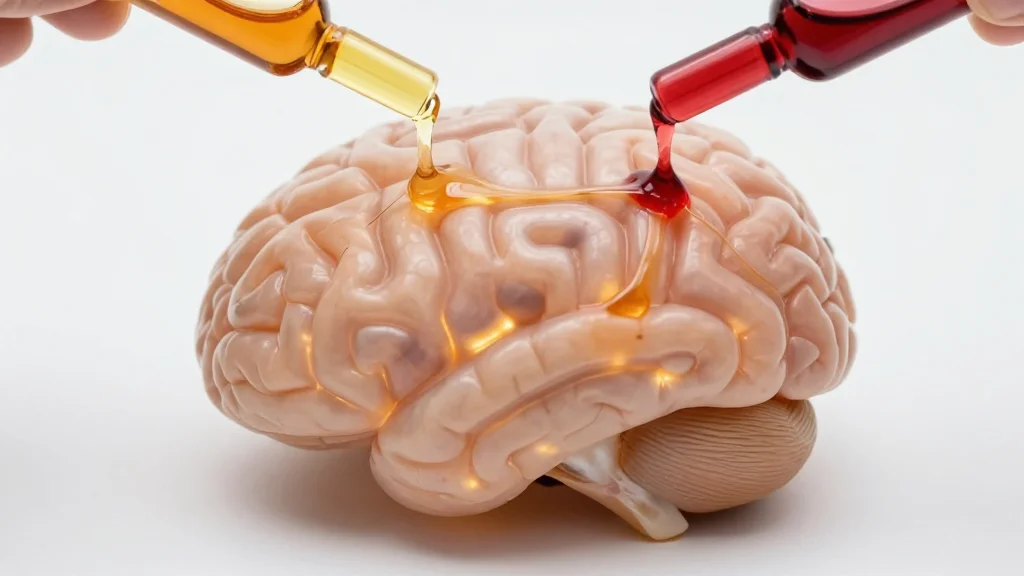
New Drug Combination Doubles Down on Alzheimer's Treatments
Why It Matters
A safer, lower‑dose antibody regimen could accelerate regulatory approval and broaden market adoption, addressing the urgent need for disease‑modifying Alzheimer’s treatments.
Key Takeaways
- •Waterloo team combined anti‑amyloid antibodies with resveratrol and curcumin
- •Combination neutralized amyloid clumping, improving outcomes in preclinical tests
- •Approach may allow lower antibody doses, reducing brain swelling risk
- •Study highlights potential of multi‑modal therapy for Alzheimer's
- •Next phase aims to develop brain‑penetrant drugs paired with antibodies
Pulse Analysis
Alzheimer's disease remains the leading cause of dementia worldwide, affecting roughly 50 million people and accounting for an estimated $1 trillion in global health costs. Existing therapeutics, primarily anti‑amyloid antibodies such as aducanumab and lecanemab, can modestly slow cognitive decline but carry serious adverse events, including cerebral edema and microhemorrhage. The high failure rate of monotherapy trials has spurred interest in multi‑target strategies that address both protein aggregation and neuroinflammation, a shift echoed across biotech pipelines and venture capital allocations. In the United States, more than 6 million seniors are diagnosed, driving a growing demand for disease‑modifying solutions.
Researchers at the University of Waterloo’s School of Pharmacy reported that pairing low‑dose anti‑amyloid antibodies with nutraceutical‑derived small molecules—specifically resveratrol and curcumin—significantly reduced amyloid plaque formation in laboratory models. The small molecules disrupt beta‑sheet stacking, while the antibodies flag residual aggregates for immune clearance. In vivo results showed a 45 % reduction in plaque burden compared with antibody alone, and a corresponding improvement in behavioral assays. Crucially, the combination allowed a 30 % dose reduction of the antibody, potentially mitigating the risk of brain swelling.
If the preclinical findings translate to humans, the combination could reshape the Alzheimer's treatment landscape, offering a safer, more effective regimen that aligns with the emerging paradigm of precision polypharmacy. Pharmaceutical firms may accelerate development of brain‑penetrant analogues of resveratrol and curcumin, leveraging formulation technologies to enhance bioavailability. Regulators will likely scrutinize safety data, but the prospect of lower antibody exposure could ease approval pathways. Investors should watch for partnerships between biotech innovators and large‑molecule manufacturers as the market for disease‑modifying Alzheimer’s therapies expands.
New drug combination doubles down on Alzheimer's treatments
Comments
Want to join the conversation?
Loading comments...