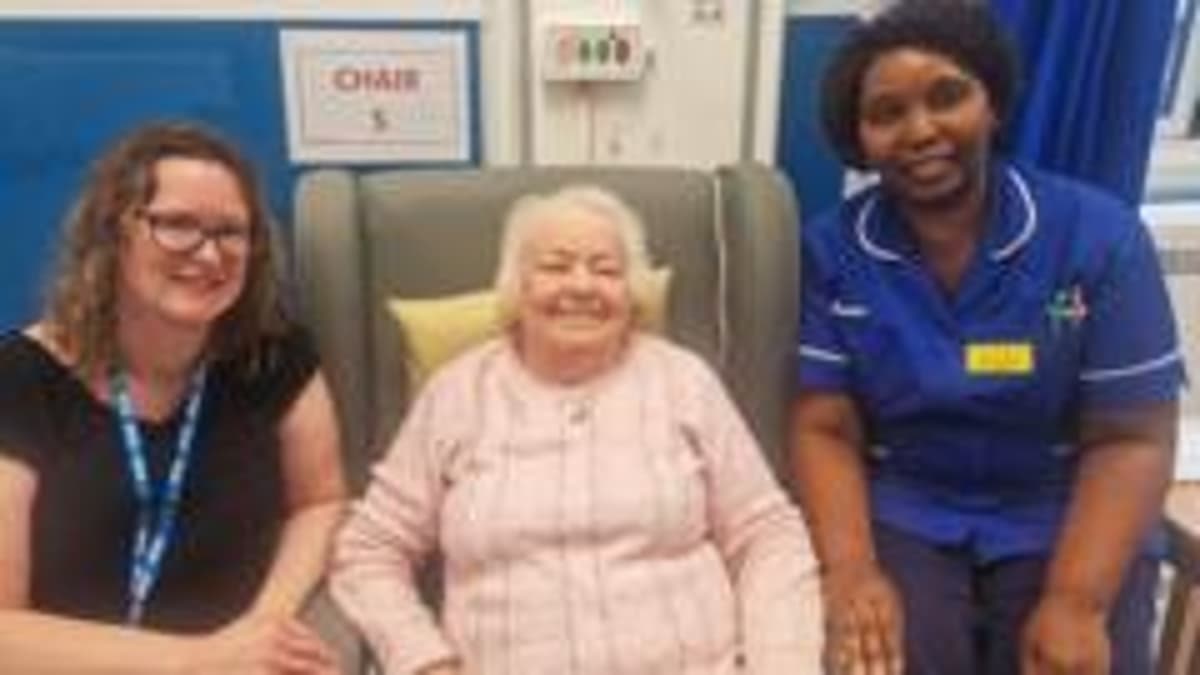
NHS Cancer Jab Could Save Patients Hours in Hospital
Why It Matters
The minute‑long injection reduces hospital time for patients and eases pressure on NHS resources, improving care efficiency. It also prepares the health system for community‑based oncology as generic competition looms.
Key Takeaways
- •Injectable Keytruda reduces infusion time from >1 hour to minutes
- •14,000 English patients start Keytruda annually; most will switch
- •Injection can be given every 3 or 6 weeks, 1–2 minutes
- •Same price as infusion; patents expire 2028 US, 2031 EU
- •Faster delivery may enable community‑based cancer treatment
Pulse Analysis
Keytruda, known generically as pembrolizumab, has become a cornerstone of modern immunotherapy, helping the immune system target cancers ranging from lung to breast. Since its 2015 NHS rollout, the drug required a sterile intravenous infusion that occupied a treatment chair for over an hour, limiting throughput in busy chemotherapy units. The newly approved injectable formulation compresses that process to a one‑minute jab, preserving the drug’s efficacy while dramatically cutting the logistical burden on hospitals and patients alike.
For the NHS, the operational gains are immediate. With roughly 14,000 patients initiating Keytruda annually, the shift to a rapid injection can free thousands of chair‑hours each year, allowing clinicians to treat more patients or repurpose space for other services. Patients like 86‑year‑old Shirley Xerxes report a tangible quality‑of‑life improvement, spending minutes instead of hours in a clinic. Cost parity with the infusion version means the health service avoids additional financial strain, while the shorter administration opens the door to community‑based delivery models that could further reduce hospital visits.
The broader market context adds another layer of significance. Keytruda’s global sales have topped $30 billion in 2025 and $180 billion since launch, making it one of the most lucrative medicines ever. Patent protection ends in 2028 in the United States and 2031 in Europe, inviting generic competition that could slash prices. Critics in the U.S. argue the new injectable form is a strategic move to extend patent life, but for the NHS it represents a pragmatic step toward more efficient, patient‑centric cancer care as the industry braces for the next wave of biosimilars.
NHS cancer jab could save patients hours in hospital
Comments
Want to join the conversation?
Loading comments...