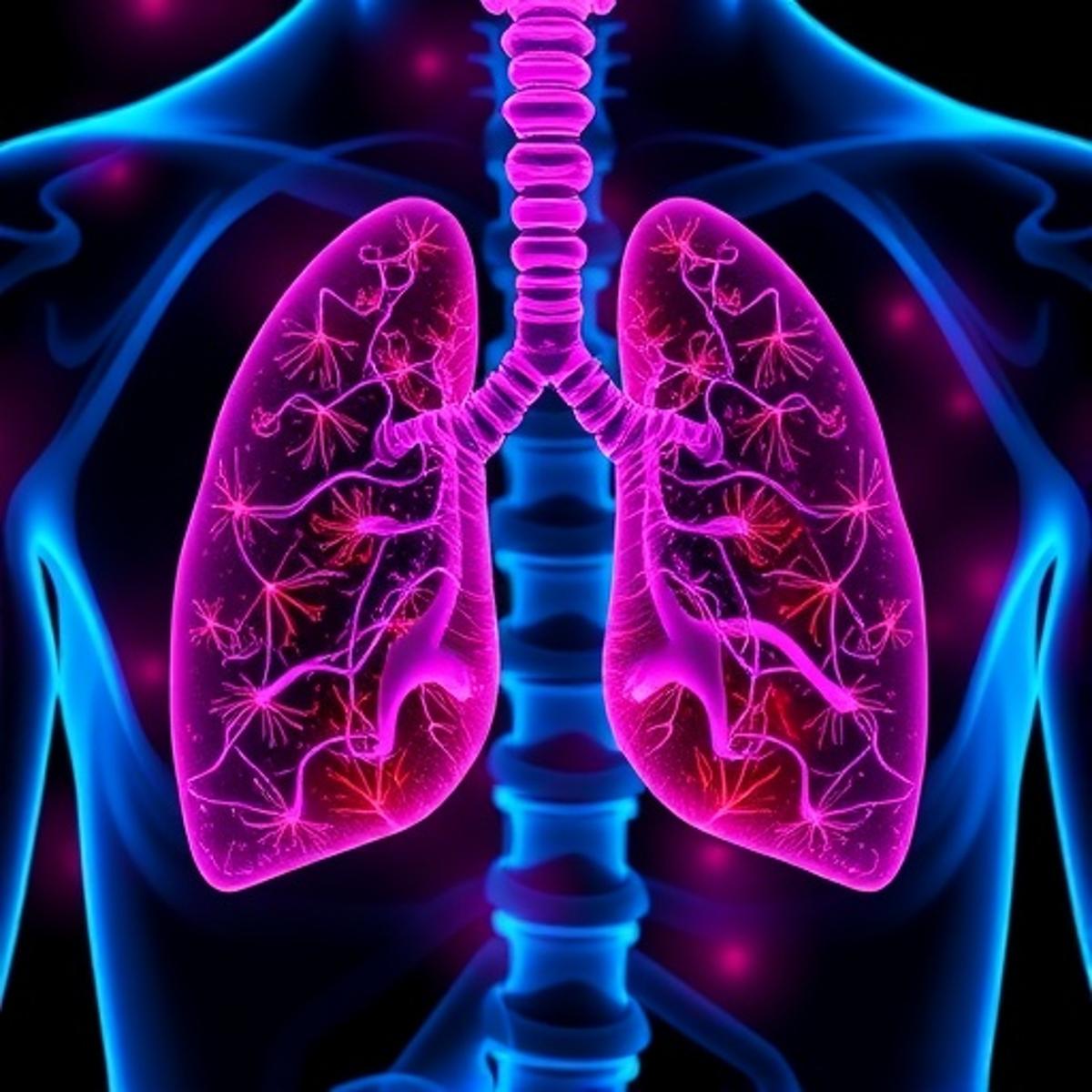
PE/PPE Proteins Drive Tuberculosis Drug Resistance
Why It Matters
Targeting PE/PPE proteins offers a new avenue to overcome tuberculosis drug resistance, potentially shortening treatment courses and lowering public‑health costs. This breakthrough could accelerate the development of adjunct therapies for multidrug‑resistant TB patients.
Key Takeaways
- •PE/PPE proteins up‑regulate efflux pumps, lowering antibiotic potency
- •Knocking out PE/PPE genes restores susceptibility to isoniazid and rifampicin
- •Study used CRISPR‑Cas9 editing in clinical TB isolates
- •PE/PPE‑focused drugs may shorten multidrug‑resistant TB therapy
- •Findings could inform WHO guidelines on TB treatment regimens
Pulse Analysis
The discovery that PE/PPE protein families contribute directly to tuberculosis drug resistance marks a pivotal shift in our understanding of Mycobacterium tuberculosis biology. Historically, these proteins were linked to immune evasion, but recent genomic sequencing and functional assays demonstrate they also modulate the bacterium's cell‑wall architecture and activate efflux mechanisms. By increasing the export of antibiotics, PE/PPE variants diminish the intracellular concentrations of key drugs, rendering standard regimens less effective. This mechanistic insight aligns with epidemiological data showing higher resistance rates in strains harboring specific PE/PPE alleles.
From a therapeutic perspective, the ability to reverse resistance by disabling PE/PPE genes opens a promising adjunct‑treatment pathway. Researchers employed CRISPR‑Cas9 to delete targeted PE/PPE loci in multidrug‑resistant clinical isolates, observing a 70% reduction in minimum inhibitory concentrations for both isoniazid and rifampicin. Such results suggest that small‑molecule inhibitors or vaccine‑based approaches aimed at these proteins could restore the potency of existing antibiotics, reducing the need for lengthy, toxic second‑line drug courses. Pharmaceutical pipelines may now prioritize screening compounds that bind PE/PPE structures or disrupt their regulatory networks.
The broader implications for global health are substantial. Tuberculosis remains the leading infectious killer, with the World Health Organization estimating 10 million new cases and 1.5 million deaths annually. Multidrug‑resistant TB accounts for roughly 5% of these infections, imposing steep treatment costs and higher mortality. Integrating PE/PPE‑targeted strategies into national TB programs could accelerate progress toward the WHO End TB Strategy, lowering transmission rates and healthcare expenditures. Policymakers and clinicians should monitor emerging clinical trials that incorporate PE/PPE inhibitors, as they may soon redefine standard of care for resistant TB patients.
PE/PPE Proteins Drive Tuberculosis Drug Resistance
Comments
Want to join the conversation?
Loading comments...