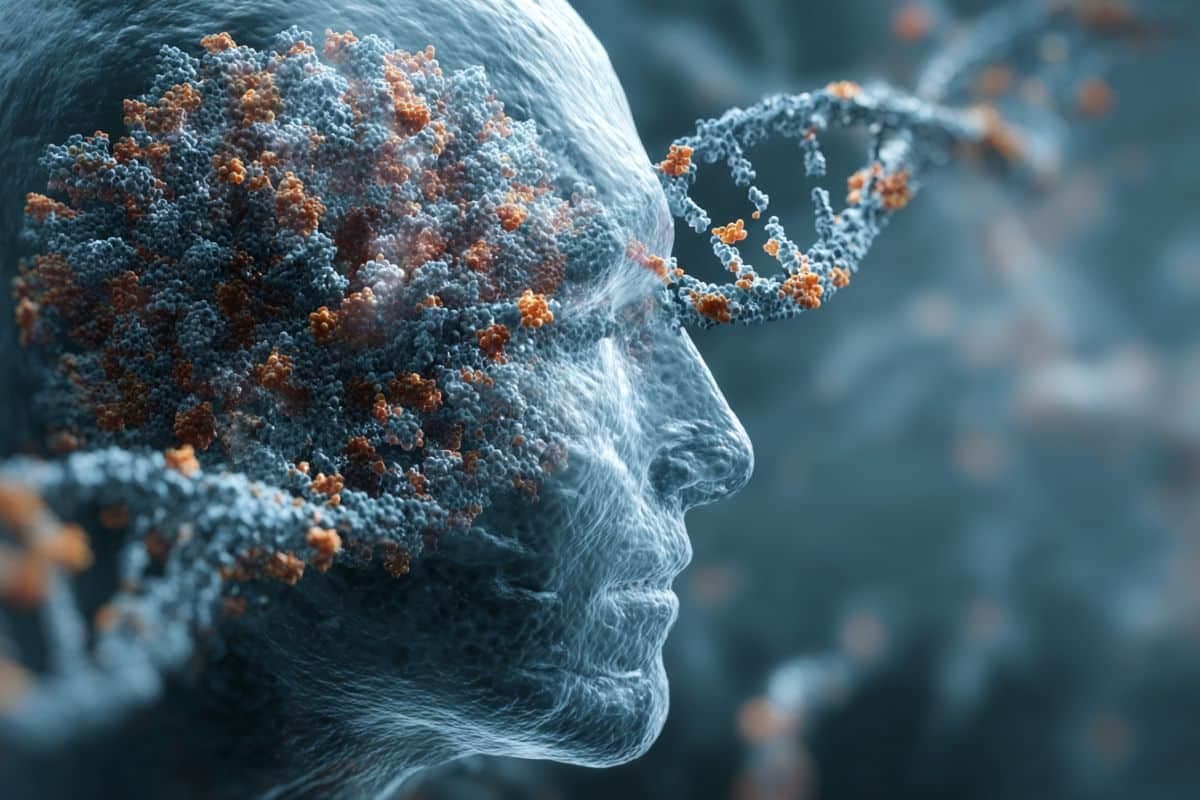
Personalized DNA Vaccine Doubles Glioblastoma Survival Rates
Why It Matters
The results suggest a new, effective immunotherapy avenue for glioblastoma, a cancer with historically poor outcomes, and could reshape treatment standards and investment focus in neuro‑oncology.
Key Takeaways
- •GNOS‑PV01 vaccine doubled 12‑month survival to 66% in phase 1 trial
- •Vaccine targets up to 40 patient‑specific neoantigens, twice previous vaccine capacity
- •No serious adverse events; one patient remains disease‑free after five years
- •Early results suggest turning “cold” glioblastoma into “hot” tumors
- •Larger trials planned to test broader glioblastoma subtypes
Pulse Analysis
Glioblastoma remains one of the deadliest brain cancers, with median survival barely exceeding a year despite aggressive surgery, radiation, and temozolomide chemotherapy. Conventional immunotherapies have struggled because the tumor creates an immunosuppressive microenvironment and rapidly mutates to evade single‑target approaches. In this context, the emergence of personalized neoantigen vaccines marks a paradigm shift, leveraging advances in genomics and synthetic DNA technology to tailor treatment to each patient’s unique tumor profile.
The GNOS‑PV01 trial demonstrated how a DNA‑based platform can encode up to 40 distinct neoantigens, effectively broadening the immune system’s attack repertoire. Patients received the vaccine shortly after standard surgery and radiotherapy, and immune monitoring revealed heightened T‑cell activity in all but one steroid‑treated participant. Safety was exemplary, with no grade‑3 or higher adverse events reported. Clinically, two‑thirds of the nine patients were alive at one year—a stark improvement over the roughly 40% historical benchmark—and one survivor has remained disease‑free for nearly five years, underscoring the vaccine’s potential to transform glioblastoma from a "cold" to a "hot" tumor.
Looking ahead, the promising early data are likely to attract both venture capital and pharmaceutical interest, accelerating enrollment in phase‑2 studies that will test GNOS‑PV01 across diverse glioblastoma subtypes and in combination with checkpoint inhibitors. If larger trials confirm these outcomes, the vaccine could become a cornerstone of multimodal glioblastoma therapy, prompting revisions to clinical guidelines and stimulating further research into DNA‑based personalized cancer vaccines across oncology.
Personalized DNA Vaccine Doubles Glioblastoma Survival Rates
Comments
Want to join the conversation?
Loading comments...