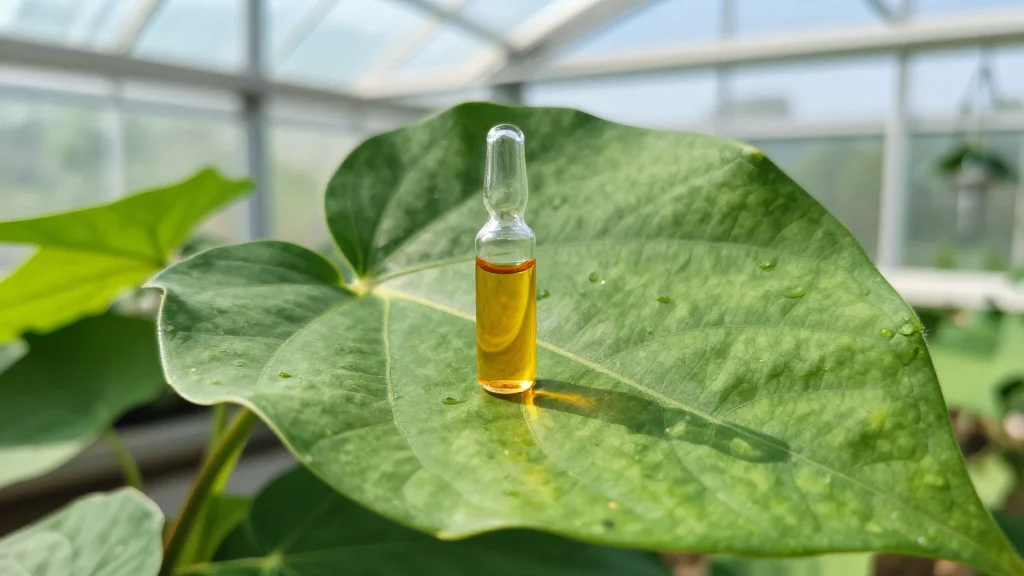
Plant Molecular Farming Comes of Age
Why It Matters
PMF offers a sustainable, cost‑effective alternative to mammalian and microbial bioprocesses, potentially reshaping the biotech supply chain while meeting tightening environmental regulations. Its adoption could accelerate biologics availability and diversify manufacturing footprints.
Key Takeaways
- •PMF reduces carbon emissions by using low‑energy plant growth
- •AI‑driven models improve host plant engineering and expression yields
- •Companies are scaling plant‑derived antibodies comparable to CHO‑cell products
- •Digital sensors enable semi‑continuous, self‑correcting plant biomanufacturing lines
Pulse Analysis
The rise of plant molecular farming reflects a broader industry shift toward greener biomanufacturing. By cultivating recombinant proteins in crops such as Nicotiana, companies sidestep the high energy demands of stainless‑steel fermenters and eliminate the risk of human pathogen contamination. This sustainability advantage aligns with global regulatory pressure to cut carbon footprints, offering a compelling value proposition for investors and environmentally conscious stakeholders.
Technological breakthroughs have been pivotal in moving PMF from concept to commercial reality. AI‑powered predictive models accelerate host‑plant genome edits, boosting expression levels and ensuring proper post‑translational modifications. Coupled with real‑time sensor networks in vertical farms, manufacturers can precisely control infiltration, growth, and harvest timing, creating a semi‑continuous production line that rivals traditional batch processes. These digital tools also generate the high‑quality data needed for regulatory approval, addressing one of the longstanding hurdles for plant‑based therapeutics.
Despite its promise, widespread PMF adoption hinges on clear regulatory pathways and strategic integration into existing supply chains. Standardizing unit operations and conducting comparability studies with CHO‑derived products will build confidence among biopharma firms. Moreover, the ability to co‑produce side‑stream products—such as specialty enzymes or nutraceuticals—could provide additional revenue streams, making the transition economically attractive. As the sector matures, PMF is poised to become a mainstream, responsible alternative for biologics manufacturing.
Plant Molecular Farming Comes of Age
Comments
Want to join the conversation?
Loading comments...