Putin’s $26 Billion Longevity Push
Why It Matters
The effort positions Russia as a state‑driven competitor in the lucrative longevity market, potentially reshaping global biotech dynamics and national health security. Success could reduce reliance on foreign organ transplants, while failure may expose the limits of government‑only research models.
Key Takeaways
- •Putin allocated $26 billion to longevity research through 2030
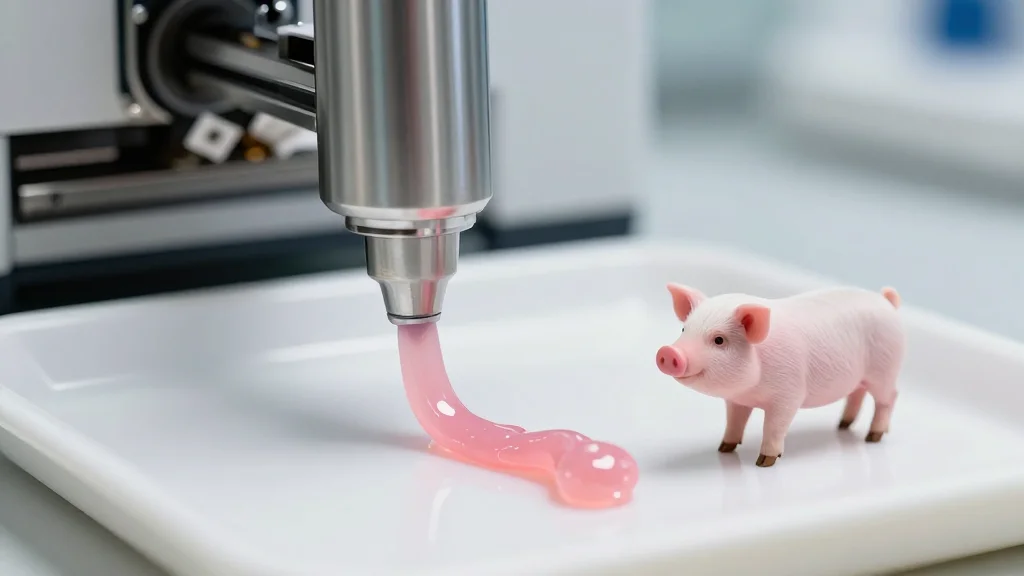
- •Focus areas: bioprinting tissues and xenotransplantation in mini‑pigs
- •Goal: replace human organs and save thousands of lives by decade’s end
- •Russian projects have produced limited peer‑reviewed publications
- •Initiative positions Russia as a state‑driven competitor to Silicon Valley funders
Pulse Analysis
The quest to extend human healthspan has become a multi‑billion‑dollar industry, attracting tech moguls, venture capital, and pharmaceutical giants. Companies backed by Jeff Bezos, Sam Altman, and Peter Thiel pour resources into cellular reprogramming, senolytics, and organ‑on‑a‑chip platforms, hoping to capture a market projected to exceed $300 billion by 2035. This private surge has spurred governments to assess whether state‑funded research can keep pace, especially in nations where strategic advantage is linked to medical self‑sufficiency. Regulators also grapple with ethical dilemmas surrounding gene editing and lifespan extension, shaping policy frameworks worldwide. In May 2026, President Vladimir Putin unveiled a $26 billion longevity program that places bioprinting and xenotransplantation at its core.
Russian labs claim to have printed human cartilage and a mouse thyroid, while a genetically engineered mini‑pig breed is being used to grow transplantable organs. The official roadmap targets functional human organ replacement by 2030, a timeline that mirrors private sector ambitions. However, the initiative’s scientific output remains sparse in peer‑reviewed journals, raising questions about reproducibility and international credibility. Funding is channeled through the Ministry of Health and the Russian Academy of Sciences, ensuring tight governmental oversight.
The Russian push underscores how longevity research is evolving into a geopolitical lever, where breakthroughs could translate into military readiness and demographic resilience. If successful, domestically produced organs could reduce reliance on foreign transplant networks and bolster national prestige. Conversely, the lack of transparent data may hinder collaboration, inviting sanctions or scientific isolation. Observers will watch whether state‑driven funding can match the agility of Silicon Valley ventures, or if the program will become a high‑cost showcase with limited clinical impact. The outcome will likely influence global standards for organ bioengineering and may trigger a new wave of international research alliances.
Putin’s $26 Billion Longevity Push
Comments
Want to join the conversation?
Loading comments...