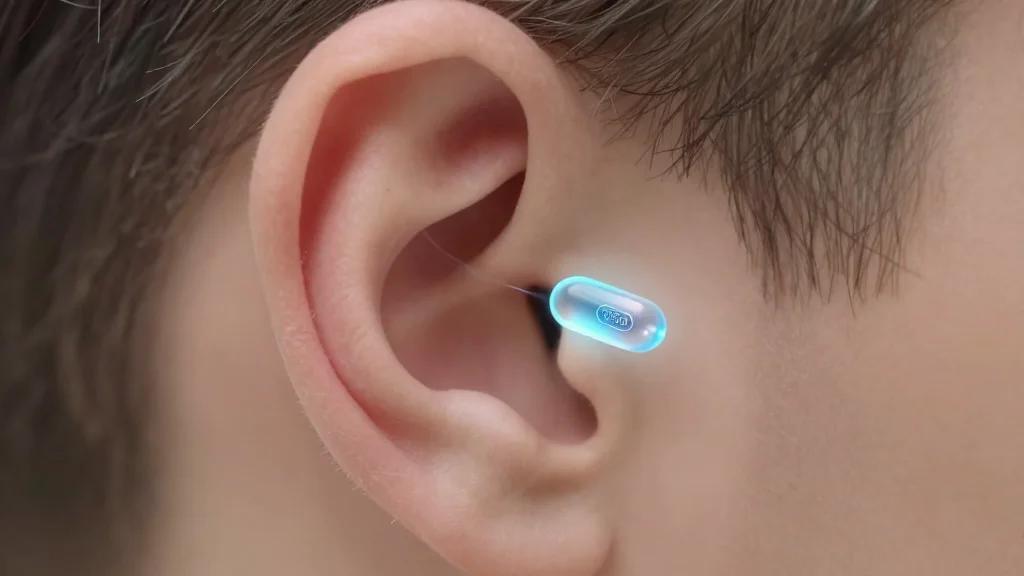
Regeneron Secures FDA Accelerated Approval for First Neurosensory Gene Therapy

Why It Matters
Otarmeni’s approval signals that gene‑therapy platforms can move beyond rare metabolic disorders into functional restoration of sensory systems, a domain previously dominated by devices such as cochlear implants. By demonstrating a clinically meaningful hearing gain in children, Regeneron provides a proof‑of‑concept that in‑vivo gene delivery can correct a specific protein deficiency in the inner ear, opening pathways for similar approaches to other neurosensory deficits. The use of the CNPV program illustrates how policy levers can accelerate high‑impact therapies, potentially reshaping the regulatory landscape for future gene‑based products. If the confirmatory trial confirms durable benefit, payers may be more willing to adopt novel pricing models, influencing the broader economics of gene therapy development.
Key Takeaways
- •Regeneron receives FDA accelerated approval for Otarmeni, the first neurosensory gene therapy.
- •Phase I/II CHORD trial enrolled 20 children (10 months‑16 years) and showed hearing improvement at week 24.
- •Otarmeni will be offered free of charge to U.S. patients, addressing an unmet need in OTOF‑related hearing loss.
- •Approval leveraged the Commissioner’s National Priority Voucher program, shortening review time to 1‑2 months.
- •Intellia files a rolling BLA for lonvo‑z after an 87% reduction in HAE attacks in a Phase III trial.
Pulse Analysis
Regeneron’s breakthrough reflects a maturing gene‑therapy ecosystem where disease‑specific vectors are no longer confined to systemic disorders. The inner ear presents a unique delivery challenge—its confined anatomy and immune‑privileged status make it an ideal target for adeno‑associated virus vectors, yet the technical hurdles have historically limited progress. Otarmeni’s success suggests that precise, localized delivery can achieve functional restoration without the need for permanent hardware, potentially shifting the standard of care for congenital hearing loss.
From a market perspective, the approval could catalyze a wave of investment into neurosensory and other organ‑specific gene therapies. Investors have already signaled appetite for such assets, as evidenced by the parallel Intellia BLA filing. The juxtaposition of a gene‑addition approach (Otarmeni) and a gene‑editing strategy (lonvo‑z) highlights the diversification of modalities within the same regulatory timeframe, intensifying competition for talent, capital, and clinical trial sites.
Looking ahead, the confirmatory CHORD data will be pivotal. A positive readout could cement Otarmeni’s place as a first‑in‑class therapy and encourage the FDA to grant similar accelerated pathways for other sensory disorders. Conversely, any safety signals or modest efficacy could temper enthusiasm and prompt a reassessment of the risk‑benefit calculus for in‑vivo gene delivery. Stakeholders should monitor the upcoming FDA advisory committee meeting and the rollout logistics for the free‑of‑charge model, which may set a precedent for pricing strategies in the high‑cost gene‑therapy market.
Regeneron Secures FDA Accelerated Approval for First Neurosensory Gene Therapy
Comments
Want to join the conversation?
Loading comments...