Regimen ‘Extremely Encouraging’ in Metastatic Pancreatic Cancer
Companies Mentioned
Why It Matters
The combination targets two prevalent genetic drivers in pancreatic cancer, offering a precision‑guided therapy that could reshape a market dominated by toxic chemotherapy and improve outcomes for a historically fatal disease.
Key Takeaways
- •92% objective response rate in MTAP‑deleted, RAS‑mutant PDAC patients
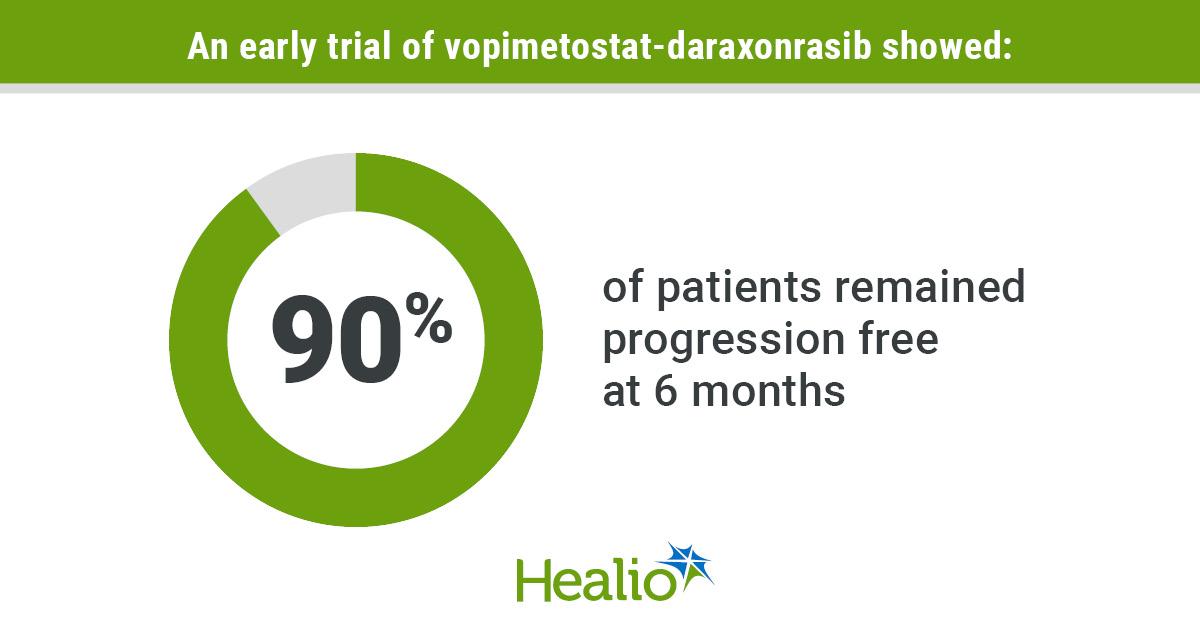
- •90% of responders remained progression‑free at six months
- •Combination moves to phase 3 as potential chemotherapy‑free first‑line option
- •Daraxonrasib previously doubled overall survival in RASolute 302 trial
- •Safety was generally mild; only two patients experienced grade 3 toxicities
Pulse Analysis
Pancreatic ductal adenocarcinoma (PDAC) remains one of the deadliest solid tumors, with over 90% of cases harboring KRAS mutations and roughly 40% showing MTAP deletions. Traditional chemotherapy delivers modest survival benefits while imposing severe toxicity, leaving a substantial unmet need for targeted, less‑toxic regimens. Vopimetostat, an oral PRMT5 inhibitor, exploits the synthetic‑lethal vulnerability of MTAP‑deleted cells, whereas daraxonrasib blocks pan‑RAS signaling, a pathway long considered undruggable in pancreatic cancer. Together they address two dominant oncogenic drivers, positioning the duo at the forefront of precision oncology for PDAC.
In a phase 1/2 study of 20 patients with MTAP‑deleted, RAS‑mutant metastatic PDAC, 12 evaluable individuals achieved an objective response, yielding a 92% response rate and a 100% disease‑control rate. Importantly, 90% of responders were progression‑free at six months, a striking improvement over historical benchmarks for second‑ or third‑line therapy. The safety profile was encouraging; most adverse events were grade 1‑2, and only two patients experienced grade 3 toxicities, with no discontinuations. These findings corroborate preclinical data that simultaneous PRMT5 and RAS inhibition produces synergistic tumor suppression.
The data have prompted rapid progression to a phase 3 trial, slated to evaluate the combination as a first‑line, chemotherapy‑free regimen for MTAP‑deleted PDAC. If successful, the trial could establish a new standard of care, potentially displacing cytotoxic regimens and opening a revenue stream for both Tango Therapeutics and Revolution Medicines. Investors and clinicians alike will watch the upcoming trial design closely, as it may herald a paradigm shift toward genotype‑driven, oral therapies in a disease that has long resisted innovation.
Regimen ‘extremely encouraging’ in metastatic pancreatic cancer
Comments
Want to join the conversation?
Loading comments...