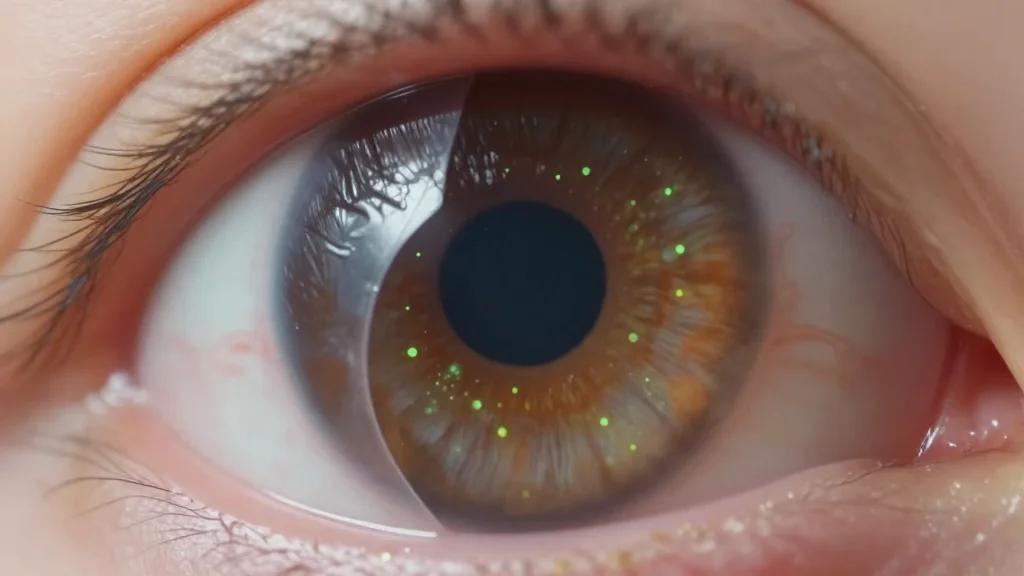
Restoring Vision with Stem Cell–Derived Retinal Cells by Overcoming ILM Barrier
Why It Matters
Overcoming the ILM barrier addresses the primary obstacle to effective retinal ganglion cell replacement, opening a viable pathway toward restoring vision for patients with optic nerve damage.
Key Takeaways
- •ILM disruption boosts hRGC survival to 95% in mutant mice
- •Enzyme-treated eyes show 7% graft maturation versus 0.01% in controls
- •Technique works in rodents, primates, and donated human tissue
- •Provides surgical roadmap for future optic neuropathy clinical trials
- •Long‑term safety of ILM removal remains uncertain
Pulse Analysis
Retinal ganglion cell loss underlies a range of blinding conditions, from glaucoma to optic neuritis, and has long thwarted regenerative attempts. Conventional stem‑cell grafts often perish on the retinal surface because the internal limiting membrane—a thin basement layer separating the vitreous from the neural retina—physically blocks cell entry and integration. By targeting this barrier, researchers are shifting the paradigm from merely delivering cells to enabling them to embed within the retinal architecture, a prerequisite for functional visual restoration.
In a series of experiments published in Science Translational Medicine, the team used three strategies: a genetic mouse model with a naturally patchy ILM, enzymatic digestion of the membrane, and a control group. Survival rates jumped to 95% in the mutant cohort and 80% with enzyme treatment, while only 75% survived in controls. More strikingly, mature dendritic formation—a marker of functional integration—occurred in up to 7% of cells in enzyme‑treated eyes versus a negligible 0.01% in untreated eyes. The approach was replicated in larger animal eyes and human donor tissue, confirming that the ILM is a universal obstacle across species and that its modulation can unlock graft potential.
The findings lay groundwork for the first clinical protocols aimed at optic neuropathy. A defined surgical technique for ILM alteration could be incorporated into existing vitrectomy procedures, accelerating regulatory pathways. However, clinicians must weigh the benefits against potential risks, such as retinal structural integrity and long‑term visual outcomes. Continued pre‑clinical safety studies and phased human trials will be essential to translate this breakthrough into a marketable therapy, potentially creating a new segment in the ophthalmic regenerative‑medicine market.
Restoring Vision with Stem Cell–Derived Retinal Cells by Overcoming ILM Barrier
Comments
Want to join the conversation?
Loading comments...