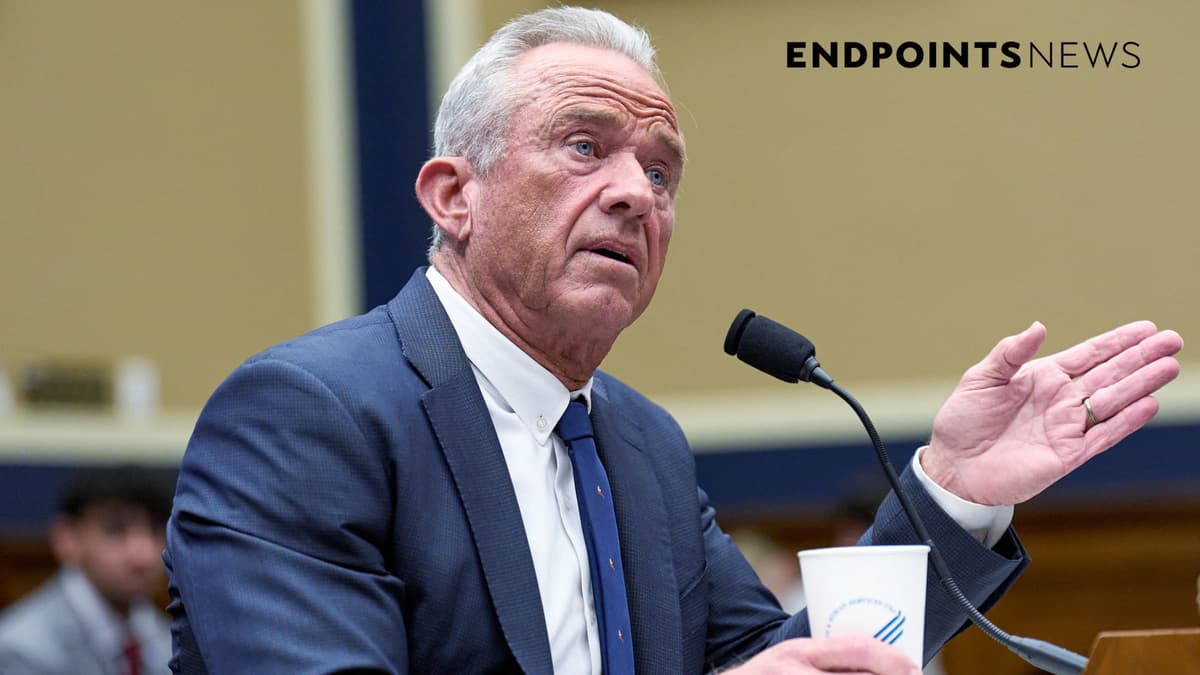
RFK Jr. Says China Is 'Eating Our Lunch' In Biotech Advances
Why It Matters
China’s biotech momentum threatens U.S. market share and could shift global drug pipelines, prompting urgent policy action to safeguard domestic innovation and economic competitiveness.
Key Takeaways
- •China approved 70+ new drugs in 2025, surpassing U.S. 45
- •U.S. FDA review times lag China by an average of eight months
- •Federal biotech funding flatlined at $5 billion in FY 2025
- •Industry groups call for streamlined trial approvals and talent incentives
Pulse Analysis
China’s biotech ascent has moved from a long‑term ambition to a near‑term reality. In 2025 the country cleared more than 70 novel drug applications, a pace that eclipses the United States’ roughly 45 approvals. Accelerated regulatory pathways, generous state subsidies, and a coordinated national strategy have enabled Chinese firms to launch clinical trials at a rate three times higher than their American counterparts. This momentum is reshaping the global pipeline, drawing talent and capital toward Shanghai, Beijing, and Shenzhen.
For the United States, the warning from HHS Secretary Robert F. Kennedy Jr. underscores a strategic inflection point. Slower FDA review times—averaging eight months longer than China’s expedited processes—are eroding the competitive edge of U.S. innovators. Policymakers are now debating a suite of reforms, from modernizing the drug‑approval framework to boosting the $5 billion federal biotech budget, which has remained flat since FY 2025. Industry leaders argue that without decisive action, the U.S. could lose critical market share, diminish its influence over global health standards, and see a brain‑drain to more supportive ecosystems abroad.
Investors and multinational pharmaceutical companies are watching the shift closely. A stronger Chinese biotech sector promises lower‑cost manufacturing and faster access to emerging markets, but it also raises concerns about intellectual‑property protection and regulatory harmonization. As the U.S. contemplates policy adjustments, the balance between safeguarding rigorous safety standards and fostering rapid innovation will define the next decade of global drug development. Stakeholders across the value chain must navigate these dynamics to ensure that America remains a hub for breakthrough therapies while staying competitive on the world stage.
RFK Jr. says China is 'eating our lunch' in biotech advances
Comments
Want to join the conversation?
Loading comments...