Rising Amid Flurry of CAR T Deals, Stylus Proves Cell Therapy Is Not Dead
•March 10, 2026
0
Why It Matters
Stylus’s in‑vivo CAR‑T approach could revitalize cell therapy by making it more scalable and cost‑effective, attracting fresh investment and partnership opportunities across oncology and beyond.
Key Takeaways
- •Stylus uses in‑vivo lipid nanoparticle CAR‑T platform.
- •Market sees renewed CAR‑T interest after major acquisitions.
- •In‑vivo approach reduces manufacturing complexity and cost.
- •Focus initially on oncology, eyeing autoimmune markets.
- •Pharma firms actively courting Stylus for collaborations.
Pulse Analysis
The cell‑therapy landscape has been turbulent, with Takeda and Novo Nordisk shedding assets while giants like Bristol Myers Squibb and Gilead doubled down through multi‑billion‑dollar deals. These transactions have reignited market optimism, suggesting that the industry believes the therapeutic promise of CAR‑T outweighs earlier manufacturing and reimbursement challenges. Stylus Medicine’s entry aligns with this resurgence, positioning the company at the forefront of a new wave of innovation that could reshape investor sentiment toward cellular medicines.
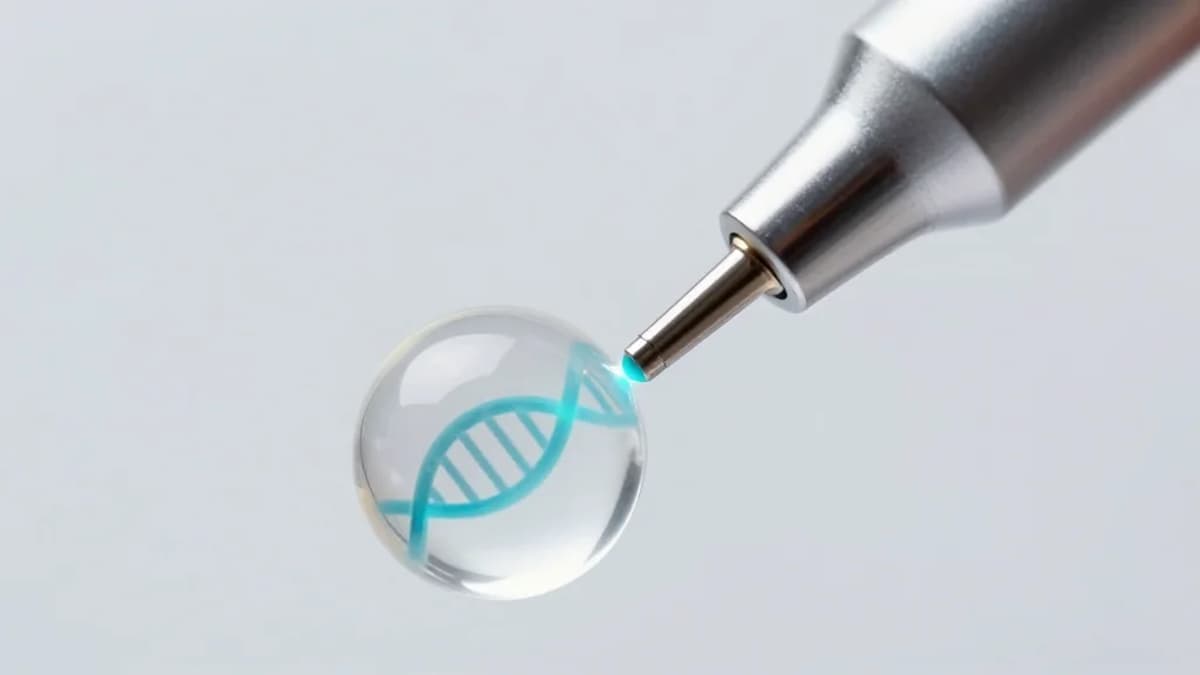
Stylus’s core technology pivots from the traditional ex‑vivo paradigm to an in‑vivo strategy that leverages lipid nanoparticles to deliver a recombinase enzyme directly into patients. This method eliminates the need for complex cell extraction, engineering, and reinfusion processes, effectively turning a personalized therapy into a vaccine‑like treatment. By simplifying the supply chain and cutting production costs, the platform promises faster patient access and broader scalability, addressing two of the most persistent barriers that have limited CAR‑T’s commercial rollout.
The strategic implications are significant. With a lead oncology program slated for disclosure next year, Stylus is already fielding partnership overtures from major pharmaceutical players eager to integrate in‑vivo cell‑engineering capabilities into their pipelines. Success could open pathways to treat not only solid tumors but also autoimmune and inflammatory disorders, expanding the addressable market dramatically. For investors and industry watchers, Stylus represents a litmus test for whether in‑vivo CAR‑T can deliver on its promise of affordable, off‑the‑shelf cell therapy, potentially redefining the economics of the entire modality.
Rising Amid Flurry of CAR T Deals, Stylus Proves Cell Therapy Is Not Dead
0
Comments
Want to join the conversation?
Loading comments...