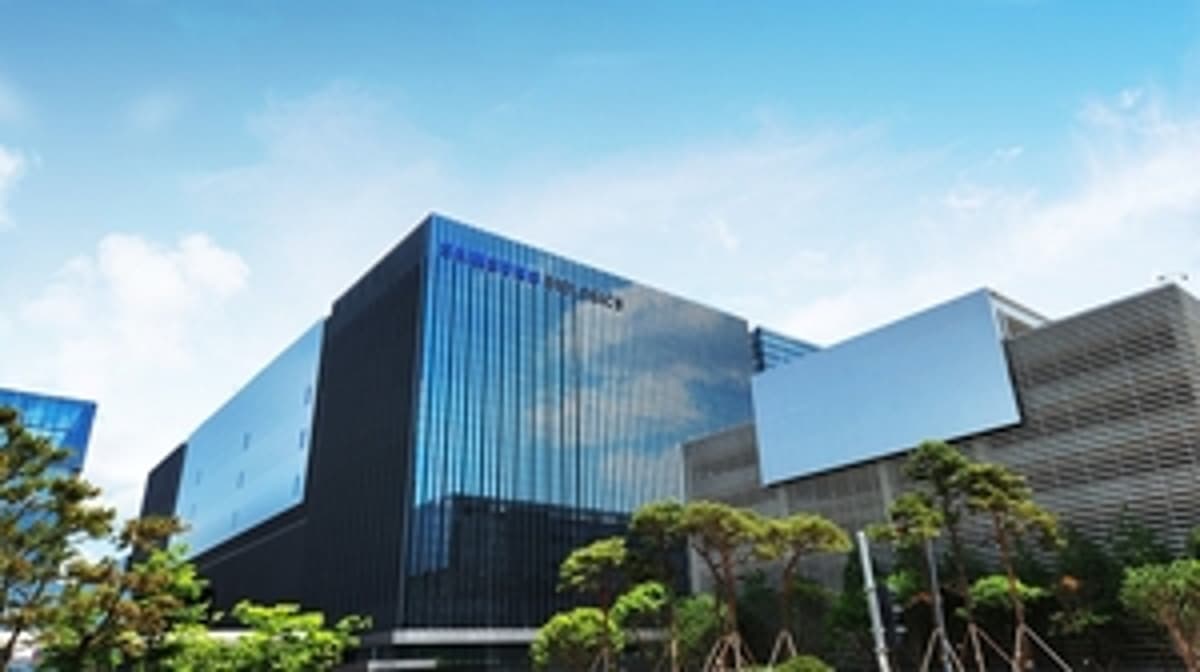
Samsung Biologics, Eli Lilly to Establish Biotech Incubator in Incheon

Companies Mentioned
Why It Matters
The joint venture accelerates the development of a regional biotech hub, attracting startups and foreign capital while diversifying Samsung’s portfolio beyond contract manufacturing.
Key Takeaways
- •Samsung Biologics partners with Eli Lilly for Incheon incubator
- •Hub will house Lilly Gateway Labs, supporting biotech startups
- •Innovation center slated to open in 2027 in Songdo
- •Collaboration blends manufacturing scale with R&D incubation
- •Expected to draw global biotech talent to South Korea
Pulse Analysis
Biotech incubators have become a cornerstone of innovation ecosystems worldwide, from Boston’s Kendall Square to Singapore’s Biopolis. They provide early‑stage companies with access to high‑cost equipment, regulatory guidance, and capital, shortening the path from discovery to market. South Korea, already a leader in semiconductor and display manufacturing, has been cultivating a life‑science corridor, yet it has lagged in providing dedicated startup infrastructure. The Samsung‑Lilly incubator plugs this gap, positioning Incheon as a competitive alternative to established hubs in the United States and Europe.
The partnership leverages Samsung Biologics’ massive contract‑manufacturing capacity and its deep supply‑chain networks, while Eli Lilly contributes its proven Gateway Labs framework, which has nurtured dozens of biotech ventures since 2019. By co‑locating the incubator within Samsung’s upcoming innovation center, startups will benefit from seamless transition pathways—from lab‑scale research to pilot‑scale production—without the usual logistical bottlenecks. Moreover, the joint venture includes funding mechanisms and collaborative R&D programs, offering a holistic support system that can attract both domestic innovators and foreign entrants seeking an Asian foothold.
Strategically, the incubator could reshape regional investment flows, encouraging venture capital firms to allocate more resources to Korean biotech. It also aligns with the South Korean government’s policy push to become a top‑10 global biotech hub by 2030. As the facility becomes operational, we can expect heightened talent migration, increased patent activity, and a ripple effect that strengthens related sectors such as data analytics, AI‑driven drug discovery, and advanced manufacturing. The collaboration thus represents a pivotal step toward a more integrated, globally competitive Korean life‑science landscape.
Samsung Biologics, Eli Lilly to establish biotech incubator in Incheon
Comments
Want to join the conversation?
Loading comments...