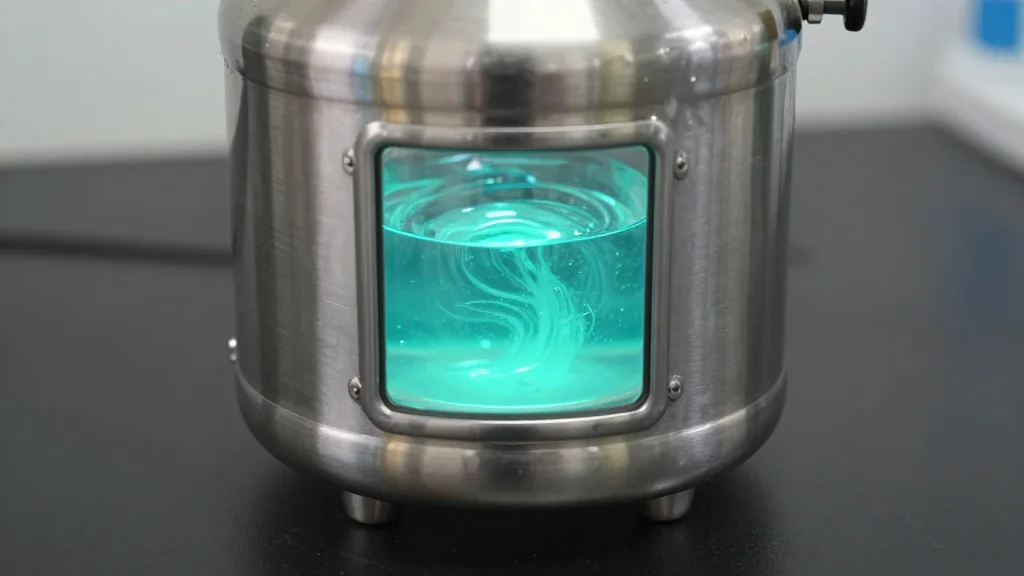
Scalable Biotech Manufacturing Targets $14B Cell Therapy Market
Why It Matters
Scalable, flexible manufacturing will determine which companies can meet rising demand and secure market share in a $14 billion segment, while regulatory leniency shortens time‑to‑market for innovative therapies.
Key Takeaways
- •Global cell therapy market projected $14B by 2035.
- •FDA grants manufacturing flexibility to speed approvals.
- •Tight biologics capacity remains bottleneck through 2026.
- •Avaí Bio partners with Austrianova for Klotho therapy.
- •Scalable GMP manufacturing becomes strategic asset for developers.
Pulse Analysis
The cell‑therapy sector is on the cusp of a seismic expansion, with analysts projecting a market size of more than $7 billion by 2026 and a near‑doubling to $14 billion by 2035. This growth is fueled by breakthroughs in CAR‑T, allogeneic stem‑cell products, and gene‑editing platforms that promise curative outcomes for oncology, rare diseases, and age‑related conditions. However, the surge in demand collides with a limited supply of GMP‑compliant biomanufacturing capacity, a constraint that has already begun to shape pricing and partnership strategies across the industry.
Recognizing the capacity crunch, the FDA has rolled out a suite of flexible manufacturing guidelines aimed at compressing the regulatory timeline for cell and gene therapies. The agency now permits modular facility designs, real‑time release testing, and adaptive process controls, allowing developers to iterate faster without compromising safety. These policy shifts reduce capital intensity and lower the barrier to entry for smaller biotech firms, while encouraging established players to adopt scalable platforms that can be rapidly reconfigured for multiple product pipelines.
The recent collaboration between Avaí Bio and Austrianova exemplifies how strategic joint ventures can turn manufacturing agility into a competitive advantage. By establishing a master cell bank for alpha‑Klotho‑expressing cells and leveraging Austrianova’s Cell‑in‑a‑Box encapsulation technology, the partnership accelerates the path from bench to bedside for a therapy targeting systemic Klotho deficiency. Investors are watching such alliances closely, as they signal a shift toward asset‑light models where intellectual property and scalable GMP infrastructure are bundled together. In a market projected to hit $14 billion, the ability to produce therapies at scale will likely become the primary differentiator among emerging biotech contenders.
Scalable biotech manufacturing targets $14B cell therapy market
Comments
Want to join the conversation?
Loading comments...