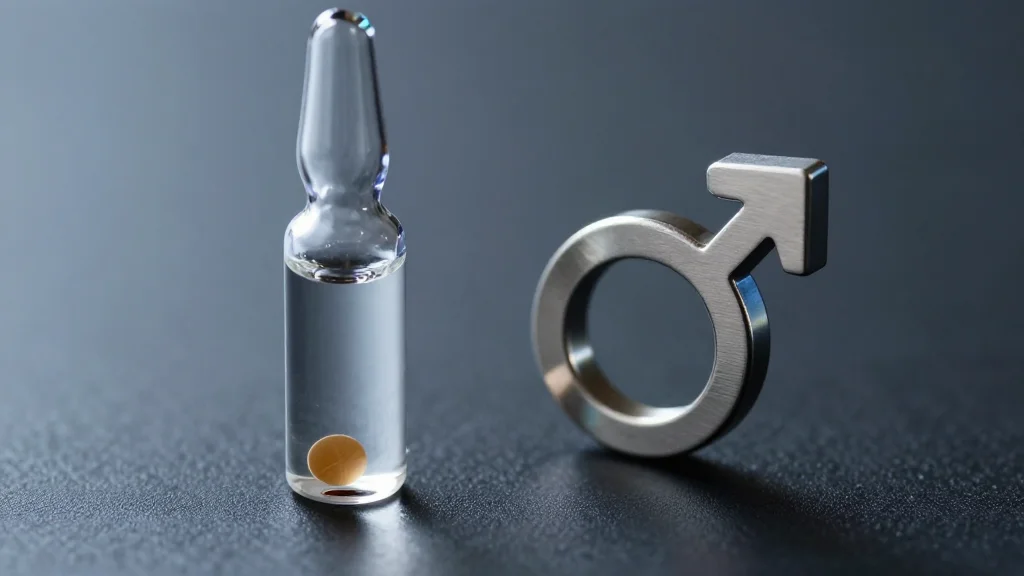
Scientists May Have Finally Created a Male Birth Control Pill—So Far, It Shows Very Few Side Effects
Why It Matters
A safe, reversible male oral contraceptive could rebalance reproductive responsibility and unlock a multibillion‑dollar market that has relied on condoms and vasectomies for centuries.
Key Takeaways
- •YCT‑529 showed no impact on testosterone or mood in 16 men
- •Trial participants were vasectomized men aged 32‑59
- •Drug prevents sperm production without hormonal side effects
- •Preclinical studies showed full reversibility after six weeks
- •CEO reports strong consumer interest for hormone‑free male pill
Pulse Analysis
The birth‑control landscape has long been skewed toward women, leaving men with only condoms and vasectomies as permanent or barrier options. Industry analysts estimate the global contraceptive market exceeds $100 billion, yet male‑specific products represent a fraction of that pie. YourChoice Therapeutics’ YCT‑529 enters this gap as a non‑hormonal oral pill, targeting sperm maturation pathways rather than endocrine function. By sidestepping the hormonal side effects that have plagued female oral contraceptives, the drug promises a cleaner safety profile, a critical factor for widespread adoption among men.
In the recently published Phase 1 study, 16 participants aged 32 to 59 took varying doses of YCT‑529 under both fasted and fed conditions. Researchers observed stable testosterone levels, unchanged heart rates, and no shifts in mood or libido, addressing the most common concerns associated with hormonal contraception. The trial’s design—enrolling only vasectomized volunteers—mitigated fertility risk while still providing meaningful pharmacokinetic data. Earlier animal work demonstrated that sperm output returned to baseline within six weeks of cessation, reinforcing the pill’s reversibility claim. These findings lay a solid foundation for the upcoming Phase 2 efficacy trials that will assess real‑world contraceptive performance.
If subsequent studies confirm both safety and effectiveness, YCT‑529 could catalyze a paradigm shift in reproductive health. A hormone‑free male pill would likely attract men eager to share contraceptive duties, as surveys consistently show high willingness among male respondents. Pharmaceutical firms could tap into a previously untapped revenue stream, while healthcare providers might see a reduction in unintended pregnancies and associated costs. However, market success will hinge on regulatory approval, pricing strategy, and cultural acceptance, all of which will shape how quickly this innovation moves from lab bench to pharmacy shelf.
Scientists May Have Finally Created a Male Birth Control Pill—So Far, It Shows Very Few Side Effects
Comments
Want to join the conversation?
Loading comments...