Companies Mentioned


Why It Matters
The deal underscores pharma’s rapid shift toward AI‑driven discovery, promising faster, cheaper development of high‑value therapeutics and reshaping the competitive R&D landscape.
Key Takeaways
- •€1bn AI partnership targets oncology, neurology
- •Iktos platform combines generative AI with robotics
- •Discovery timelines could drop from five years to two
- •Servier’s AI spend totals over €1.8bn this year
- •Collaboration builds on recent $888m Insilico deal
Pulse Analysis
Artificial intelligence is moving from a niche experiment to a core pillar of pharmaceutical R&D, and Servier’s €1 billion pact with Iktos exemplifies that transition. After a high‑profile $888 million alliance with Insilico Medicine, Servier is doubling down on AI to replenish its pipeline across oncology and neurology. The partnership signals a strategic bet that algorithm‑generated chemistry, coupled with automated synthesis, can outpace traditional discovery cycles, delivering a steady flow of candidates into pre‑clinical testing while reducing reliance on costly trial‑and‑error approaches.
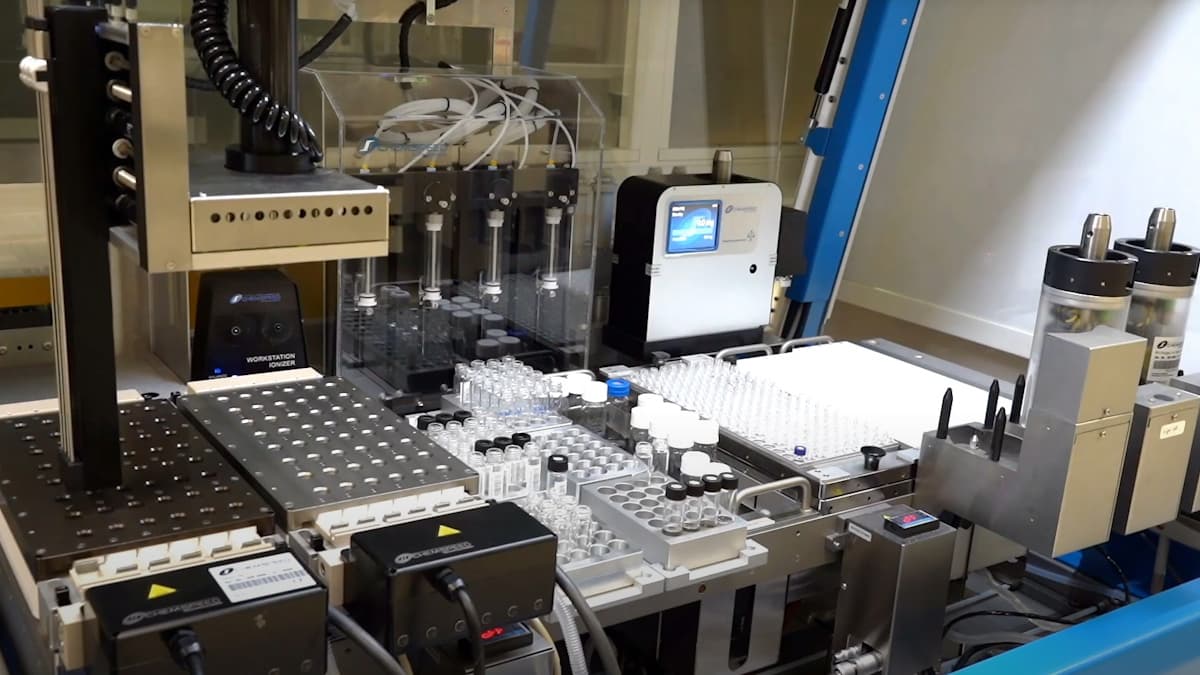
Iktos brings a unique blend of generative deep‑learning models and Chemspeed robotics that can design and synthesize hundreds of molecules daily. By iterating designs in silico and validating them on‑board, the platform claims to shrink the typical five‑year discovery window to under two years. This acceleration not only shortens time‑to‑market but also improves hit‑to‑lead conversion rates, potentially raising the overall success probability of small‑molecule programs. The technology’s ability to explore chemical space at scale gives Servier a competitive edge in identifying novel scaffolds that might be missed by conventional methods.
The broader market is watching closely as AI‑centric collaborations become increasingly lucrative. With venture capital flowing into AI‑driven biotech and major pharma allocating billions to similar initiatives, the Servier‑Iktos deal could set a benchmark for future contracts. If the partnership delivers on its promise of faster, higher‑quality candidates, it may trigger a wave of similar multi‑billion‑dollar agreements, reshaping how drug pipelines are built and funded. Investors and industry analysts will likely assess the deal’s milestones as a barometer for AI’s tangible ROI in therapeutic innovation.
Servier signs €1bn-plus AI pact with Iktos
0
Comments
Want to join the conversation?
Loading comments...