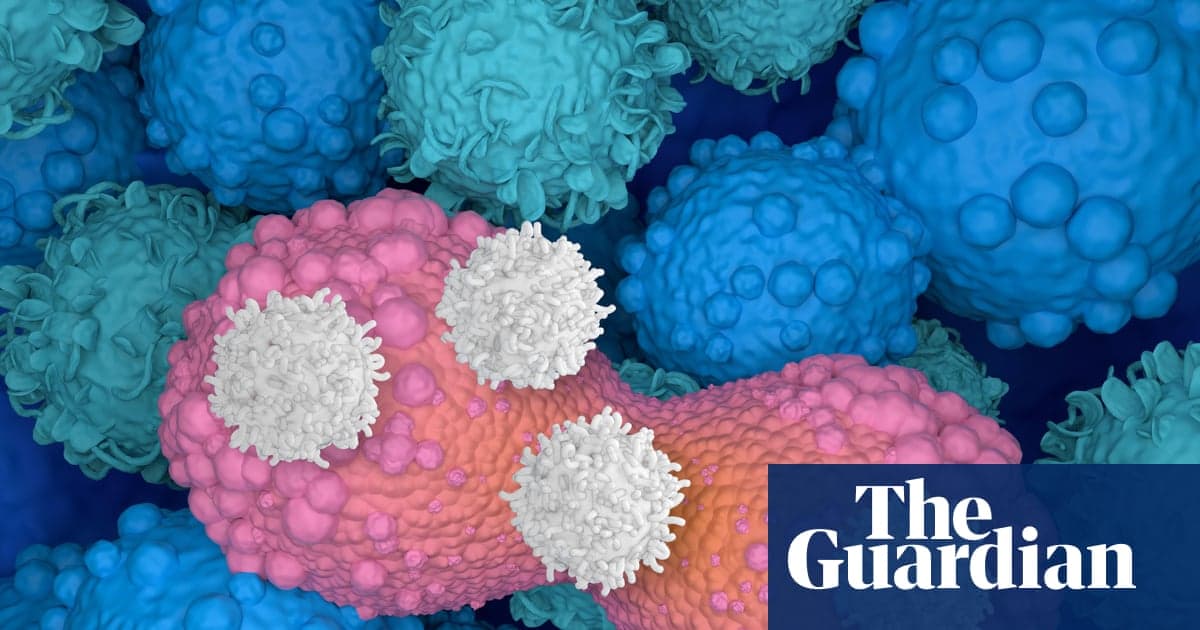
Smart Drug that Strips Cancer Cells of ‘Invisibility Cloak’ Can Shrink Tumours by 30%, Trial Shows
Why It Matters
By restoring immune visibility to tumors, GRWD5769 could expand the benefit pool of checkpoint inhibitors, addressing a major resistance mechanism in oncology. Successful larger trials may reshape treatment algorithms for hard‑to‑treat cancers.
Key Takeaways
- •GRWD5769 combined with cemiplimab shrank tumors in 26 of 83 patients
- •15 patients achieved ≥30% tumor reduction across six cancer types
- •ERAP1 inhibition removes cancer’s ‘invisibility cloak’, enhancing T‑cell detection
- •Phase‑1 trial showed manageable side effects for oral tablet regimen
- •Larger multi‑national study planned to confirm efficacy and durability
Pulse Analysis
Immunotherapy has revolutionized cancer care, yet roughly two‑thirds of patients see limited benefit because tumors can evade T‑cell surveillance. The new oral agent GRWD5769 targets the enzyme ERAP1, a key player that cancer cells exploit to mask antigen presentation. By blocking ERAP1, the drug unmasks tumor cells, allowing checkpoint inhibitors like cemiplimab to recognize and attack them. This mechanism‑first approach represents a shift from merely boosting immune activity to actively correcting tumor immune‑escape pathways.
The phase‑1 trial enrolled 83 patients with cervical, bladder, liver, bowel, lung or head‑and‑neck cancers who had exhausted standard options and previously failed immunotherapy. Tumor shrinkage was observed in 26 participants, with 15 achieving reductions of 30 percent or more—a notable signal given the refractory nature of the cohort. Disease control for at least six months ranged from 18 percent in cervical cancer to 55 percent in lung cancer, underscoring the drug’s broad activity across diverse histologies. Importantly, the oral tablet was well tolerated, with few severe adverse events, suggesting a favorable safety profile for future combination regimens.
If subsequent larger studies confirm these early findings, GRWD5769 could become a cornerstone for next‑generation combination therapies, extending the reach of checkpoint inhibitors into patient populations that currently see little benefit. Pharmaceutical firms may accelerate development of other ERAP1‑targeting agents, while payers will watch for cost‑effectiveness data as oral administration could reduce infusion‑center expenses. Ultimately, the drug’s ability to convert “cold” tumors into “hot” ones may reshape oncology treatment algorithms and drive a new wave of precision immunotherapy strategies.
Smart drug that strips cancer cells of ‘invisibility cloak’ can shrink tumours by 30%, trial shows
Comments
Want to join the conversation?
Loading comments...