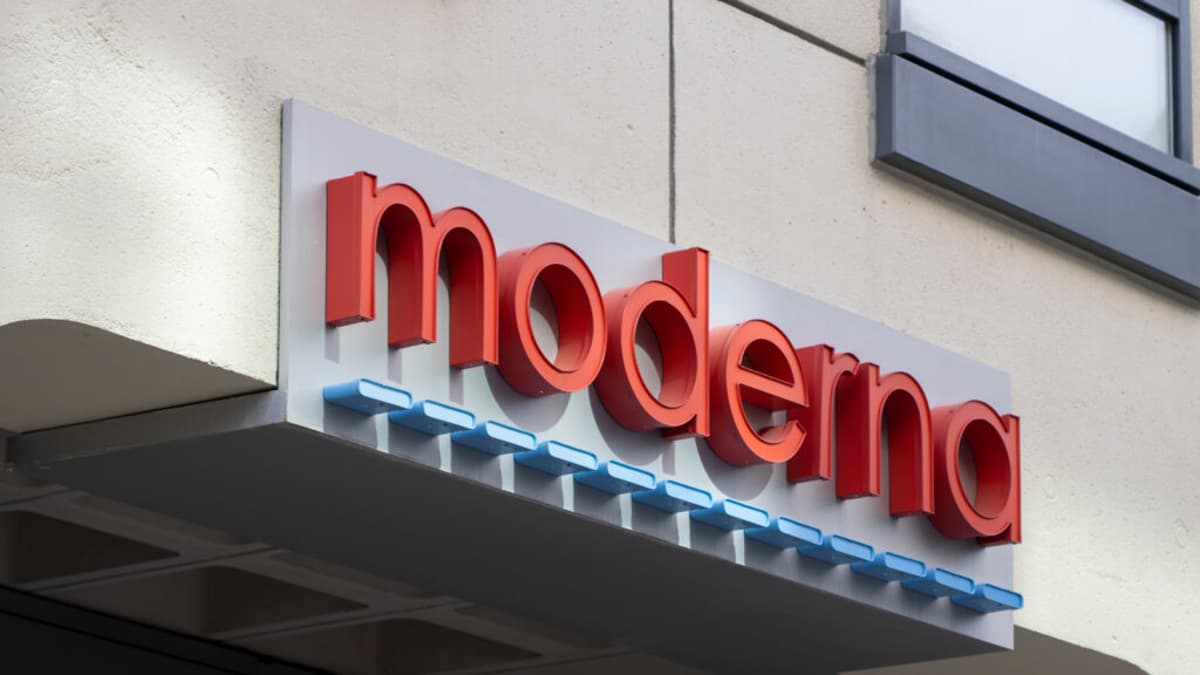
STAT+: FDA Advisory Panel Endorses Moderna mRNA Flu Vaccine that Was Subject of Controversy
Companies Mentioned
Why It Matters
An FDA endorsement paves the way for the first mRNA flu vaccine, potentially reshaping seasonal flu prevention and accelerating adoption of mRNA technology in mainstream immunizations.
Key Takeaways
- •VRBPAC unanimously backs Moderna's mRNA flu vaccine
- •Benefits outweigh risks for ages 50‑64 and 65+
- •FDA may use traditional pathway for younger adults
- •Accelerated pathway likely for seniors, mirroring past flu vaccines
- •Controversy stemmed from earlier FDA official's review refusal
Pulse Analysis
The advisory panel’s unanimous vote marks a turning point for Moderna’s mRNA flu candidate, which has been under intense scrutiny since a senior FDA official briefly declined to even open its file. By affirming that the vaccine’s safety profile exceeds its risks for both the 50‑64 and 65+ age groups, the committee has effectively cleared the most visible regulatory obstacle. This endorsement signals that the FDA’s scientific review process can move past political friction and focus on data, a crucial step for any novel platform seeking market entry.
From a market perspective, the endorsement could unlock a new revenue stream for Moderna and accelerate the broader shift toward mRNA‑based seasonal vaccines. Traditional flu shots have long dominated the $10‑$15 billion U.S. market, but mRNA technology promises higher efficacy, faster manufacturing, and the ability to update strains more quickly. If the FDA follows the panel’s guidance—using a conventional pathway for younger adults and an accelerated route for seniors—Moderna could bring the product to market within months, challenging incumbents like Sanofi and GSK and potentially reshaping vaccine procurement strategies for health systems and insurers.
The episode also highlights evolving FDA dynamics. While the agency has successfully deployed accelerated approvals for past flu vaccines, the controversy surrounding the initial refusal underscores the tension between regulatory caution and innovation pressure. A smooth licensing process for Moderna’s flu shot would reinforce confidence in the FDA’s ability to adapt its frameworks for emerging technologies, encouraging other biotech firms to invest in mRNA applications beyond COVID‑19. Ultimately, the decision could set a precedent that accelerates the pipeline for next‑generation vaccines, benefiting public health and investors alike.
STAT+: FDA advisory panel endorses Moderna mRNA flu vaccine that was subject of controversy
Comments
Want to join the conversation?
Loading comments...