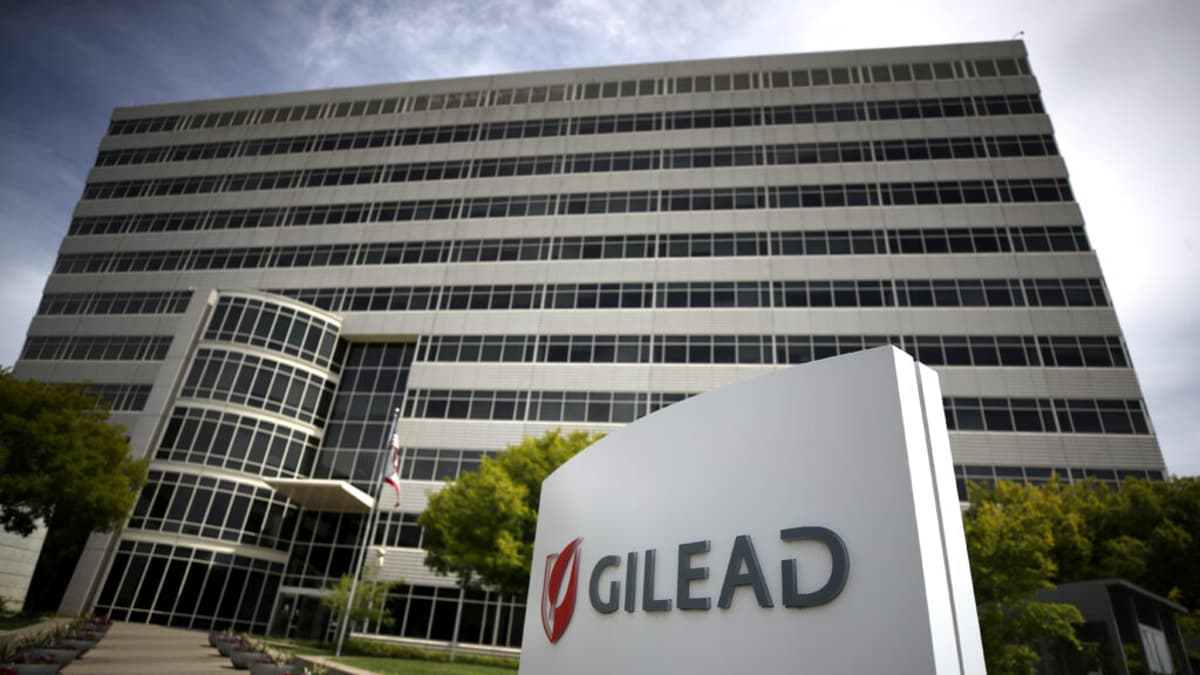
STAT+: Gilead to Buy Arcellx in Nearly $8B Deal
•February 23, 2026
0
Why It Matters
The acquisition bolsters Gilead’s cell‑therapy pipeline, giving it a near‑term product in the rapidly expanding CAR‑T market and enhancing its competitive stance against peers.
Key Takeaways
- •Deal values Arcellx at $115 per share.
- •Premium of 79% over prior close.
- •$5 per share contingent on sales milestones.
- •Targets anito‑cel CAR‑T for multiple myeloma.
- •Expands Gilead’s cell‑therapy portfolio with Kite collaboration.
Pulse Analysis
Gilead’s move reflects a broader industry shift toward integrating advanced cell‑based therapies into established pharmaceutical portfolios. The global CAR‑T market, projected to exceed $15 billion by 2030, has attracted major players seeking to diversify beyond small‑molecule drugs. By acquiring Arcellx, Gilead not only secures a promising multiple myeloma candidate but also gains access to Arcellx’s proprietary platform technologies, potentially accelerating the development of next‑generation immunotherapies across its pipeline.
Anito‑cel, the centerpiece of the deal, has shown encouraging early‑stage efficacy in relapsed or refractory multiple myeloma, a disease with high unmet need despite recent approvals. Co‑developed with Kite Pharma, the therapy leverages a novel antigen‑targeting approach that could differentiate it from competitors like Bristol‑Myers Squibb’s Abecma and Novartis’s Kymriah. The contingent $5‑per‑share earn‑out ties Gilead’s upside to commercial performance, signaling confidence in the therapy’s market potential and aligning incentives for both companies.
Strategically, the acquisition expands Gilead’s cell‑therapy footprint, complementing its existing antiviral and oncology assets while providing a platform for future collaborations. Financially, the $7.8 billion price tag represents a significant investment, but the premium reflects the high value placed on innovative CAR‑T candidates in a crowded market. As regulatory pathways for cell therapies mature, Gilead’s integrated capabilities could shorten time‑to‑market, improve manufacturing efficiencies, and ultimately capture a larger share of the lucrative hematologic oncology segment.
STAT+: Gilead to buy Arcellx in nearly $8B deal
0
Comments
Want to join the conversation?
Loading comments...