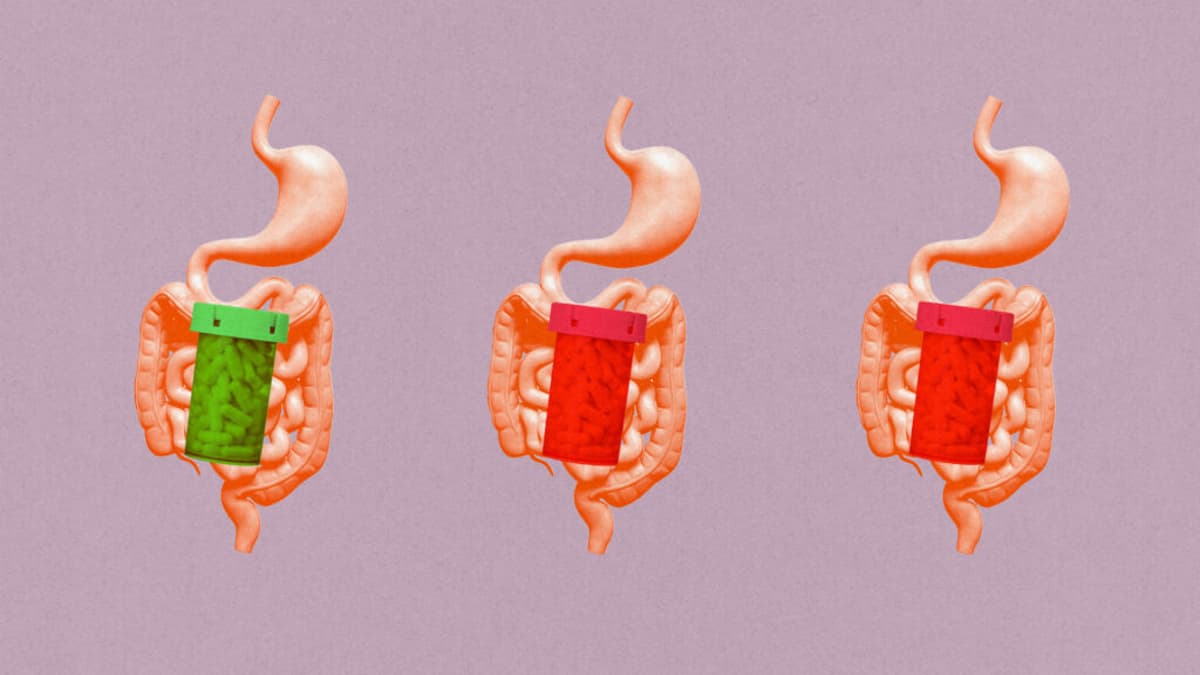
STAT+: New Treatment Approach Could Give IBD Patients Hope, and Be a Bonanza for Drugmakers
•February 24, 2026
0
Why It Matters
Higher efficacy could dramatically improve patient outcomes and generate substantial new market value for drugmakers. The shift also pressures insurers and regulators to adapt to more complex, potentially costlier treatment regimens.
Key Takeaways
- •Only 30% of IBD patients achieve symptom relief currently
- •Combination regimens target multiple immune pathways simultaneously
- •Pharma could see multi‑billion dollar revenue boost
- •Clinical trials show higher remission rates than monotherapy
- •Payers may face pricing and reimbursement challenges
Pulse Analysis
Inflammatory bowel disease, encompassing Crohn’s disease and ulcerative colitis, affects roughly 3 million Americans and imposes a chronic burden of pain, fatigue, and frequent hospitalizations. Existing therapeutic classes—biologics, small‑molecule inhibitors, and steroids—have expanded treatment options, yet real‑world data show only about 30 % of patients attain durable remission. The heterogeneity of disease phenotypes forces clinicians into a trial‑and‑error approach, driving high discontinuation rates and escalating healthcare costs. Moreover, the disease’s relapsing‑remitting nature forces repeated adjustments, further straining specialty clinics. Patient advocacy groups are lobbying for faster approval pathways, citing the unmet need for durable therapies.
Combination therapy—pairing two or more mechanisms such as an anti‑TNF antibody with a JAK inhibitor—promises to suppress parallel inflammatory cascades that single agents miss. Early phase II studies report remission rates climbing to 55 % and faster mucosal healing, suggesting synergistic efficacy without proportionally higher adverse events. By tailoring regimens to individual biomarker profiles, physicians could move from empirical selection toward precision medicine, reducing the time patients spend on ineffective drugs. Pharmacokinetic modeling indicates that staggered dosing can mitigate overlapping toxicities, a key concern for clinicians. Economic models predict that even modest improvements in remission could offset combination drug costs within two years.
For drugmakers, a successful combination platform could unlock a multi‑billion‑dollar market, extending the lifecycle of existing biologics while attracting venture capital to novel pairing strategies. However, regulators will scrutinize safety signals, and payers may demand robust cost‑effectiveness data before endorsing higher price tags. International markets, especially in Europe and Asia, are already drafting guidelines that could accelerate global rollout. Digital health platforms are being integrated to monitor real‑time response, enabling adaptive dosing and improving adherence. If manufacturers navigate these hurdles, combination regimens could redefine IBD standards of care and set a precedent for similar approaches in other autoimmune diseases.
STAT+: New treatment approach could give IBD patients hope, and be a bonanza for drugmakers
0
Comments
Want to join the conversation?
Loading comments...