STAT+: The China Question Is Tearing Biotech Apart
Companies Mentioned

Ginkgo Bioworks Holdings Inc.
Why It Matters
The split over Chinese collaborations could reshape partnership models, investment flows, and R&D strategies across the U.S. biotech sector, influencing both innovation speed and competitive positioning.
Key Takeaways
- •U.S. biotech spent $60 B on Chinese molecules Q1 2026.
- •Spending set to double 2025, tenfold increase since 2021.
- •China partnerships spark strategic rifts among U.S. biotech firms.
- •Executives debate China as ally versus existential competitive threat.
- •Automation like Ginkgo’s seen as hedge against China reliance.
Pulse Analysis
The rapid ascent of Chinese‑origin drug candidates has turned cost efficiency into a competitive advantage for U.S. biotech firms. By sourcing molecules that can be developed at breakneck speed and at a fraction of domestic costs, companies have accelerated pipeline diversification and offered patients quicker access to potential therapies. This influx, quantified at $60 billion in just the first three months of 2026, underscores how globalized drug discovery has become, blurring traditional geographic boundaries.
Yet the financial upside masks a deeper strategic rift. Executives and venture capitalists are split between leveraging Chinese partnerships for their speed and affordability, and viewing those same collaborations as a security liability that could erode domestic innovation capacity. The debate has spilled into boardrooms, investor pitches, and even informal group chats, straining alliances that once seemed unassailable. As firms choose sides, the industry risks fragmenting, potentially slowing joint ventures, co‑development agreements, and cross‑border financing that have historically driven breakthrough discoveries.
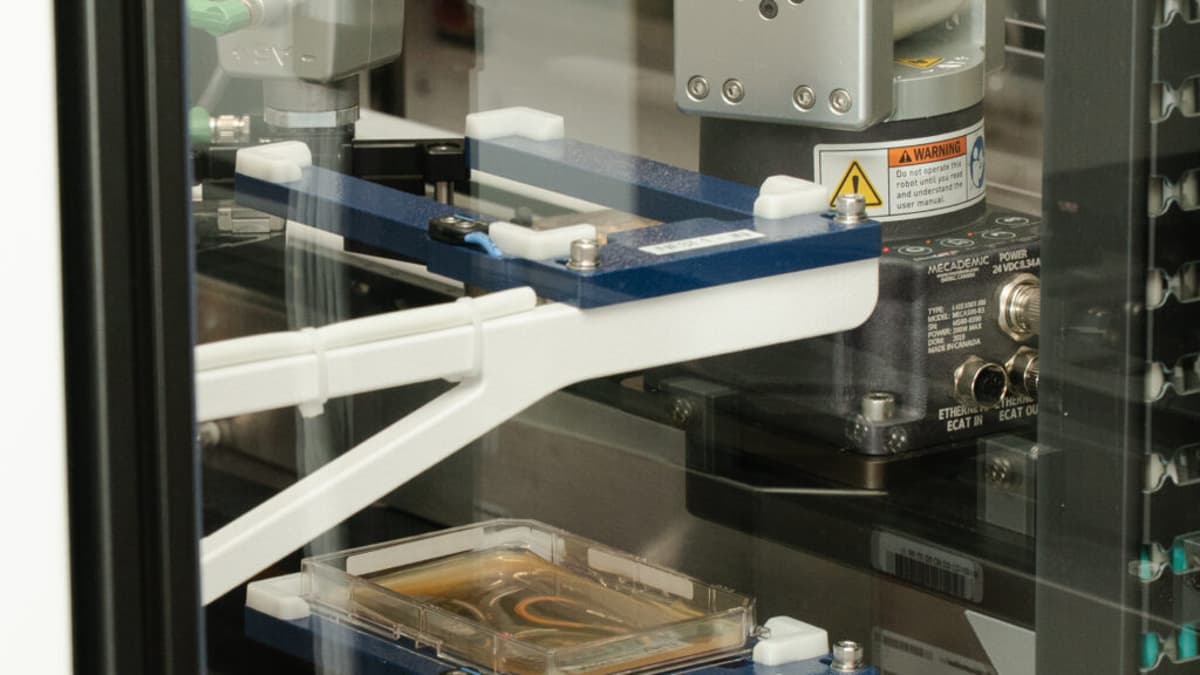
In response, many U.S. players are investing in automation and synthetic biology platforms to replicate the efficiencies once outsourced to China. Companies like Ginkgo Bioworks are positioning robotic labs as a domestic alternative, aiming to retain control over critical research stages while mitigating geopolitical risk. Policymakers may also tighten export controls or incentivize reshoring of biotech manufacturing. How the sector balances cost, speed, and sovereignty will dictate the next wave of drug development and could redefine the global biotech landscape for years to come.
STAT+: The China question is tearing biotech apart
Comments
Want to join the conversation?
Loading comments...