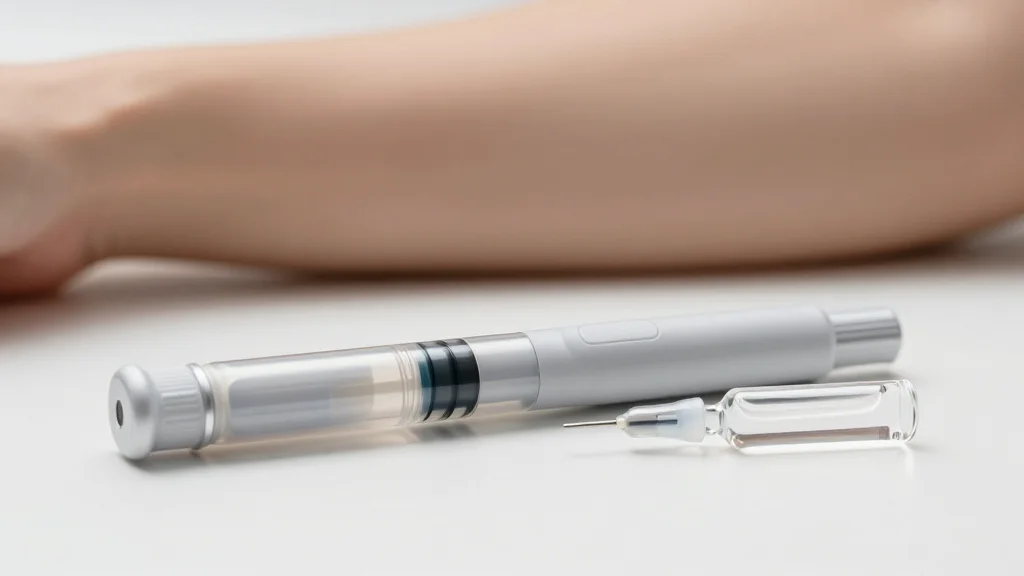
Subcutaneous Tepezza Demonstrates Phase III Efficacy in Thyroid Eye Disease
Companies Mentioned
Why It Matters
A subcutaneous Tepezza could dramatically reduce infusion visits, improving patient quality of life and positioning Amgen to capture a larger share of the rare‑disease market.
Key Takeaways
- •SC Tepezza achieved 76.7% proptosis response at week 24.
- •Mean proptosis reduction was –3.17 mm versus –0.80 mm placebo.
- •Safety profile matched IV formulation; injection-site reactions mild.
- •Subcutaneous option could cut clinic visits and treatment burden.
- •Results may lead to regulatory filing for SC Tepezza.
Pulse Analysis
The phase III trial results signal a pivotal shift for thyroid eye disease (TED) therapy, moving beyond the intravenous infusion model that has dominated since teprotumumab’s approval. By delivering comparable IGF‑1R inhibition through a subcutaneous on‑body injector, Amgen addresses a key barrier—frequent clinic visits—while preserving the drug’s hallmark efficacy. This aligns with a broader industry trend where biologics are reformulated for patient‑centric administration, a strategy that can accelerate adoption in rare autoimmune markets where convenience directly influences adherence.
From a commercial perspective, a subcutaneous Tepezza could expand Amgen’s addressable market. TED patients often face logistical challenges, especially those in remote or underserved regions. Reducing infusion time to a self‑administered injection not only lowers healthcare resource utilization but also opens the possibility of home‑based care, potentially increasing prescription volume and extending the product’s lifecycle. Moreover, the favorable safety data—mirroring the IV formulation with only mild injection‑site events—mitigates concerns that a new delivery route might introduce new risks.
Regulatory pathways for alternative formulations are increasingly supportive, especially when efficacy is demonstrated at parity with the approved route. If Amgen secures approval for the subcutaneous version, it could set a precedent for other rare‑disease biologics seeking similar transitions. Investors and clinicians alike will watch how this development influences reimbursement negotiations and guideline updates, as a more convenient option may become the new standard of care for TED, reinforcing Amgen’s leadership in the niche but lucrative IGF‑1R therapeutic space.
Subcutaneous Tepezza Demonstrates Phase III Efficacy in Thyroid Eye Disease
Comments
Want to join the conversation?
Loading comments...