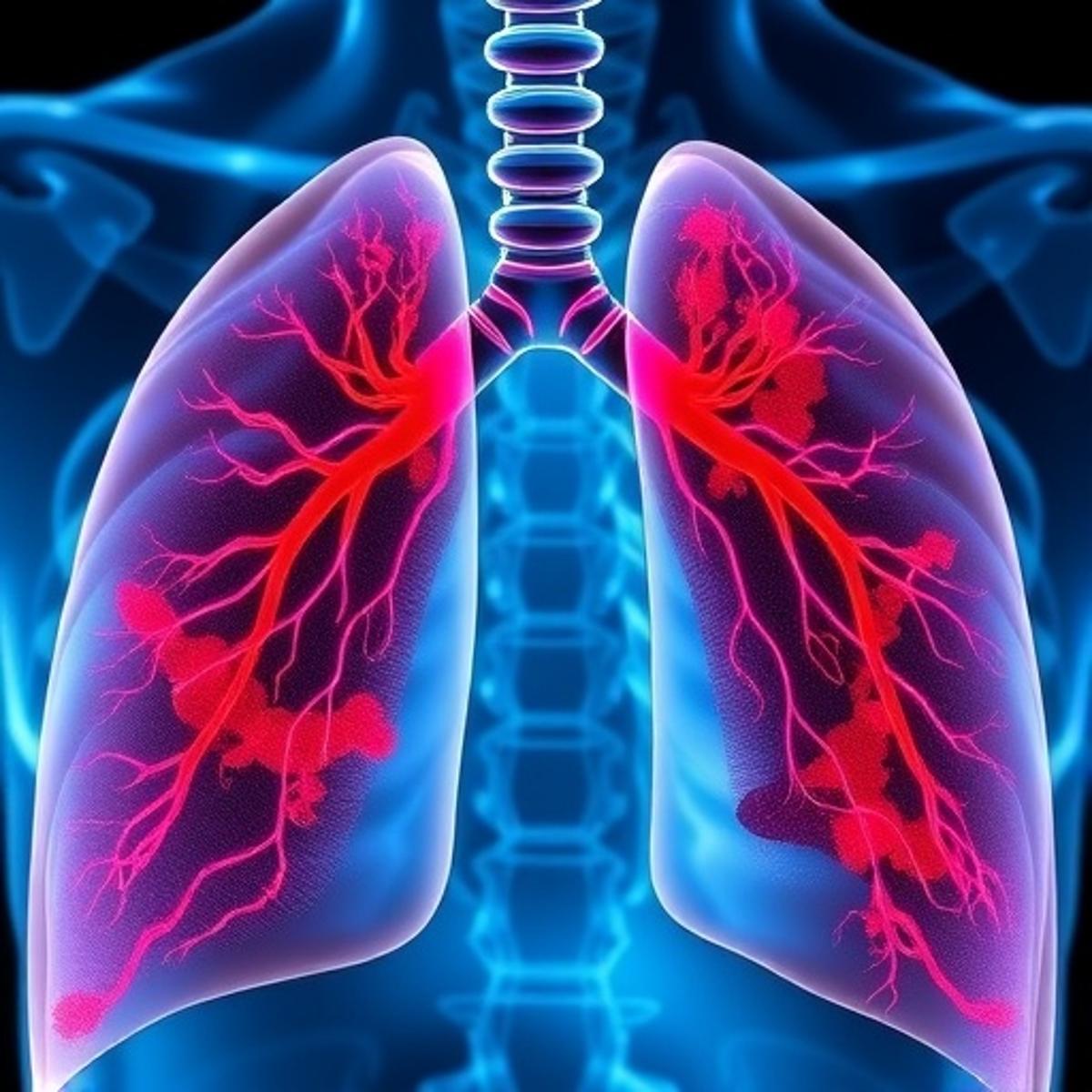
Targeted Therapy Shows Superior Results Over Chemotherapy in Treating Difficult Lung Cancer, ASCO Reports
Why It Matters
The study signals a potential shift in the treatment paradigm for hard‑to‑treat NSCLC, offering patients longer disease control with fewer side effects. It also accelerates regulatory pathways and market entry for next‑generation oncology agents.
Key Takeaways
- •Targeted therapy extended median PFS to 14.2 months vs 8.1 months
- •Overall response rate reached 68% compared with 42% for chemo
- •Grade 3‑4 adverse events dropped from 55% to 22%
- •FDA fast‑track designation granted for the new agent
- •Potential to shift standard of care for stage III/IV NSCLC
Pulse Analysis
Lung cancer remains the world’s deadliest malignancy, with non‑small cell lung cancer accounting for roughly 85% of cases. Traditional platinum‑based chemotherapy has long been the backbone of treatment, but its modest efficacy and high toxicity have left a therapeutic gap for patients whose tumors lack common driver mutations. The ASCO‑presented data spotlight a next‑generation targeted agent that binds a previously untapped molecular pathway, delivering a pronounced survival advantage while sparing patients the harsh side‑effects that often limit chemo adherence.
The phase III trial enrolled 642 patients with stage III/IV NSCLC who had progressed after first‑line therapy. Participants receiving the targeted drug achieved a median progression‑free survival of 14.2 months, nearly doubling the 8.1‑month benchmark set by standard chemotherapy. Moreover, the overall response rate climbed to 68%, and severe adverse events fell to 22% from 55% in the control arm. These outcomes not only meet but exceed the efficacy thresholds that typically trigger guideline revisions, positioning the therapy as a likely new standard for this high‑risk cohort.
Beyond clinical impact, the findings reverberate through the oncology market. The FDA’s fast‑track designation accelerates the drug’s path to approval, promising investors and biotech firms a quicker return on R&D spend. Competitors are now incentivized to explore similar molecular targets, potentially spurring a wave of precision‑medicine trials. For healthcare systems, the shift could translate into lower hospitalization costs linked to chemotherapy toxicity, while patients stand to gain longer, higher‑quality lives. As the oncology community digests these results, the momentum toward personalized lung‑cancer care is set to intensify.
Targeted Therapy Shows Superior Results Over Chemotherapy in Treating Difficult Lung Cancer, ASCO Reports
Comments
Want to join the conversation?
Loading comments...