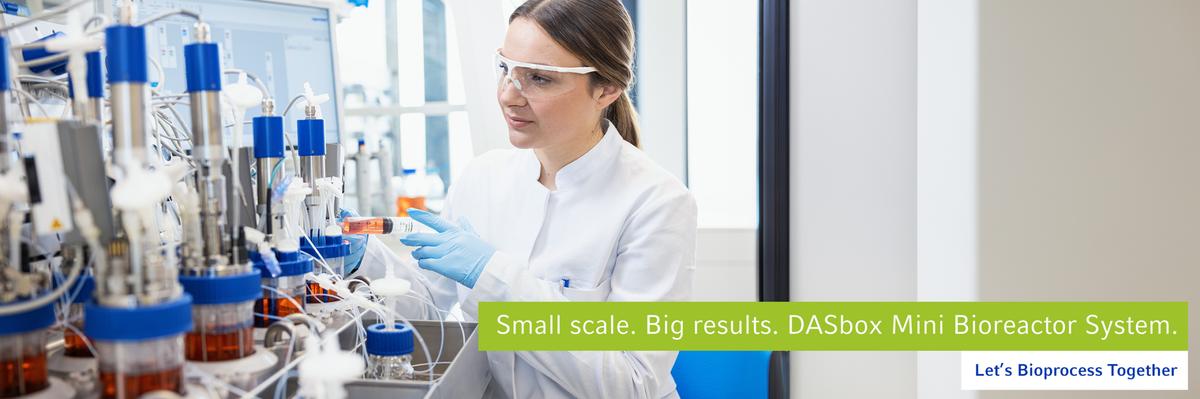
The DASbox® Mini Bioreactor System: Small Scale. Big Results
Why It Matters
By compressing high‑throughput bioprocessing into a compact, software‑driven format, the DASbox accelerates R&D timelines while reducing lab space and consumable costs, a competitive edge for biotech firms.
Key Takeaways
- •DASbox runs up to 24 bioreactors in parallel, saving bench space.
- •Each reactor occupies only 7.5 cm of bench, optimizing lab footprint.
- •Supports 60‑250 mL volumes for cell screening and media optimization.
- •Scales from 65 mL to 40 L, bridging lab to pilot scale.
Pulse Analysis
The surge in biologics and cell‑based therapies has pushed laboratories to seek high‑throughput, low‑volume platforms that still deliver data quality comparable to larger fermenters. Mini bioreactors like the DASbox address this need by packing dozens of reactors into a single rack, allowing scientists to explore multiple media formulations, genetic constructs, or process parameters simultaneously. This parallelism aligns with Quality by Design (QbD) principles, where extensive Design of Experiments (DoE) datasets are essential for defining robust manufacturing processes.
Beyond sheer capacity, the DASbox’s value lies in its integrated software ecosystem. DASware offers real‑time monitoring, remote operation, and automated data logging, which reduces manual entry errors and speeds decision‑making. Compatibility with third‑party analyzers means critical parameters—pH, dissolved oxygen, and biomass—can be captured without additional hardware investment. The inclusion of BioBLU® single‑use reactors adds flexibility for both microbial and mammalian cultures, supporting high‑cell‑density fermentations and delicate stem‑cell work while minimizing cross‑contamination risk.
For biotech companies, the economic implications are significant. A smaller bench footprint translates to lower real‑estate costs, and the ability to run 24 experiments in parallel shortens development cycles, accelerating go‑to‑market timelines. Moreover, the seamless scalability from 65 mL to 40 L enables a smoother transition from lab‑scale proof‑of‑concept to pilot‑scale production, reducing the need for multiple equipment purchases. As the industry leans toward faster, data‑driven development, platforms like the DASbox are poised to become standard tools in modern bioprocess laboratories.
The DASbox® Mini Bioreactor System: Small scale. Big results
Comments
Want to join the conversation?
Loading comments...