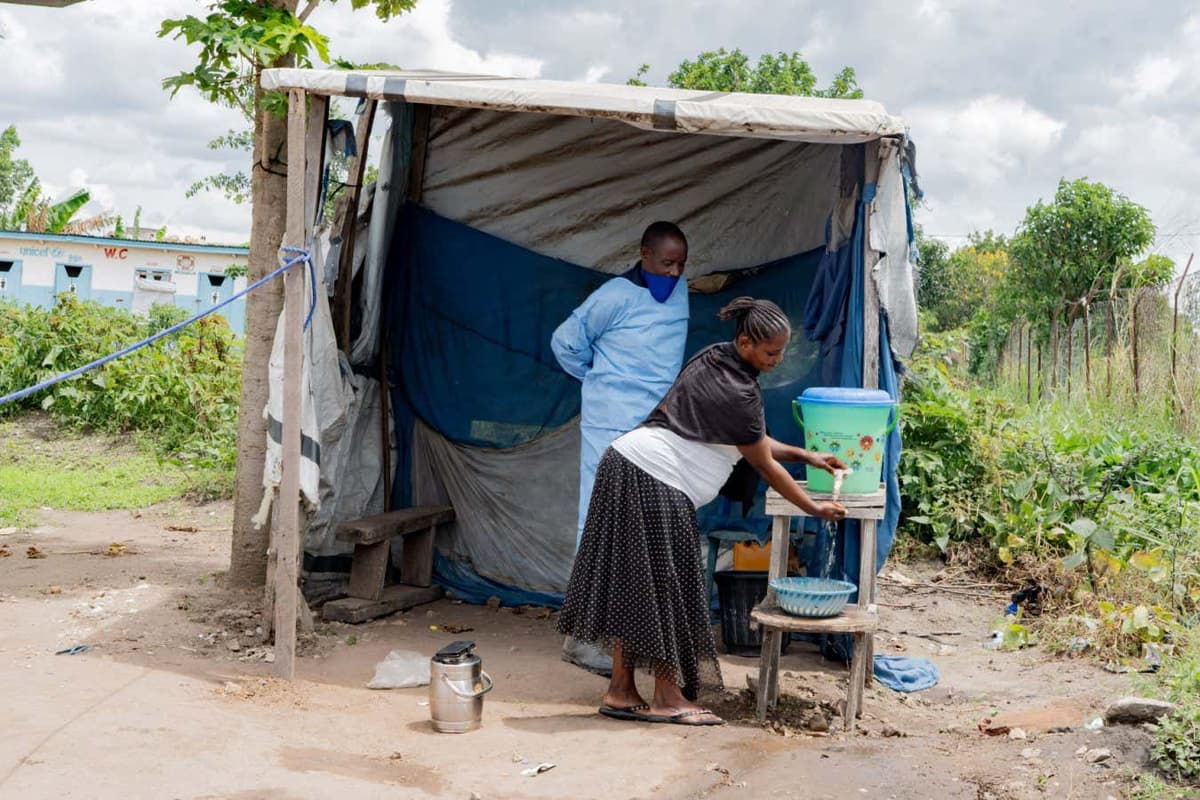
The Ebola Emergency Shines a Light on the Urgent Need for New Vaccines
Companies Mentioned
Why It Matters
The crisis highlights the urgent need for new filovirus vaccines and shows how under‑funded global health institutions can delay containment, raising the risk of high‑mortality outbreaks spreading beyond endemic regions.
Key Takeaways
- •336 suspected Bundibugyo cases, 88 deaths reported by CDC.
- •No licensed vaccine exists for Bundibugyo strain.
- •WHO funding cuts hinder rapid outbreak response and staffing.
- •Oxford‑Moderna team pursuing multivalent filovirus vaccine.
- •mRNA platforms could accelerate Ebola‑type vaccine development.
Pulse Analysis
The latest Ebola flare‑up in the DRC and Uganda underscores a stark vulnerability in the world’s infectious‑disease arsenal. With 336 suspected infections and a mortality rate that can reach 50 percent, the Bundibugyo strain is forcing health authorities to act quickly, even as the WHO grapples with a reduced workforce after the United States trimmed its contributions in early 2025. The agency’s declaration of a public‑health emergency of international concern signals both the seriousness of the outbreak and the limits of current containment tools.
Unlike the Zaire ebolavirus, which benefits from two approved vaccines delivering up to 90 percent efficacy, Bundibugyo remains vaccine‑free. This gap has spurred a coalition of academic and industry players, notably the University of Oxford and Moderna, to fast‑track a multivalent filovirus vaccine that leverages mRNA technology. By encoding antigens from several deadly filoviruses—including multiple Ebola strains and Marburg—the approach promises rapid design cycles and scalable manufacturing, potentially compressing years of development into months while maintaining safety standards through adaptive trial designs.
The broader lesson extends beyond a single outbreak. Persistent under‑investment in the World Health Organization erodes the global safety net that detects and curtails emerging threats. Moreover, the economics of drug development—skewed toward high‑income markets—leave diseases that primarily affect low‑income regions under‑served. Strengthening financing mechanisms, incentivizing multivalent vaccine pipelines, and maintaining vigilant travel screening are essential steps to prevent isolated, high‑consequence events from escalating into wider crises.
The Ebola emergency shines a light on the urgent need for new vaccines
Comments
Want to join the conversation?
Loading comments...