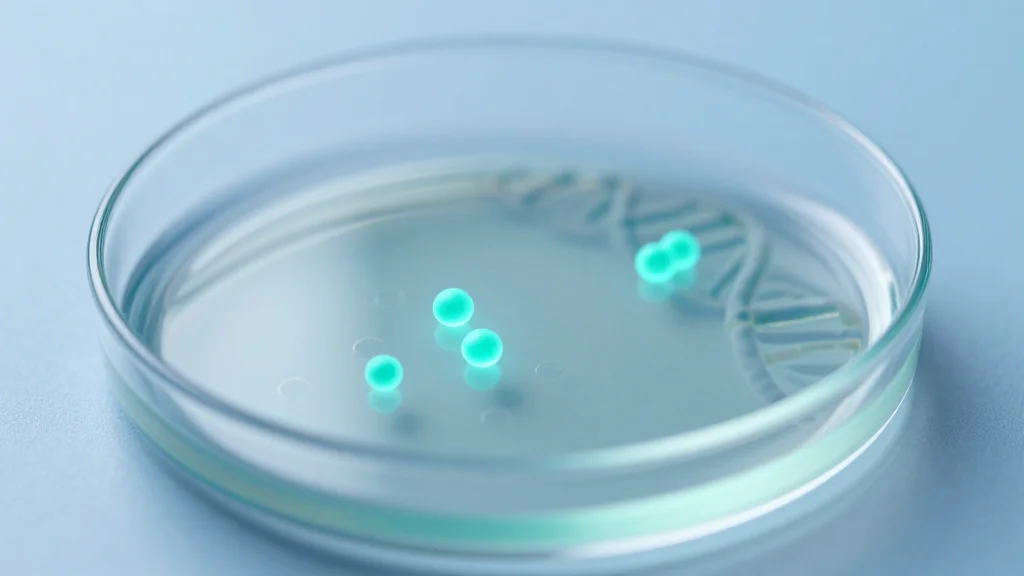
The Human Genome Encodes for a New Category of Molecule
Why It Matters
The molecules broaden the druggable proteome, creating fresh therapeutic opportunities and prompting pharma to invest in new screening platforms.
Key Takeaways
- •Genome reveals previously unknown class of functional molecules
- •Molecules stem from short ORFs in non‑coding DNA
- •Researchers suggest they could serve as novel drug targets
- •Early studies link them to key cellular signaling pathways
- •Pharma may launch screening programs to exploit these molecules
Pulse Analysis
The human genome has long been parsed into protein‑coding genes and vast stretches of non‑coding DNA. Recent advances in ribosome profiling and mass‑spectrometry have uncovered that many of these non‑coding regions actually harbor short open reading frames that produce micro‑proteins, sometimes referred to as micropeptides. Unlike traditional proteins, these molecules are typically under 100 amino acids long, yet they can fold into functional structures, bind to other proteins, and influence gene expression. This paradigm shift challenges the historic view that the majority of the genome is merely a regulatory backdrop, highlighting a hidden layer of biological complexity that researchers are only beginning to map.
From a drug discovery perspective, the emergence of micro‑proteins is especially compelling. Because they often act as signaling modulators or scaffolds, they represent a novel class of targets that could be more specific and less prone to off‑target effects than larger, well‑studied proteins. Early studies have linked certain micropeptides to metabolic regulation, immune response, and cancer cell proliferation, suggesting therapeutic relevance across a spectrum of indications. Moreover, their small size makes them amenable to innovative modalities such as peptide‑based therapeutics, stapled peptides, and even small‑molecule mimetics, expanding the toolbox for pharmaceutical developers.
The industry is responding swiftly. Venture capital funds are earmarking capital for platforms that can systematically identify and validate micro‑protein functions, while major pharma companies are piloting high‑throughput screening assays tailored to these tiny targets. Challenges remain, including the need for robust detection methods and a deeper understanding of their in‑vivo stability. Nonetheless, the discovery of a new molecular class encoded by our own DNA promises to reshape the biotech pipeline, driving investment, research, and ultimately, the next generation of precision medicines.
The human genome encodes for a new category of molecule
Comments
Want to join the conversation?
Loading comments...