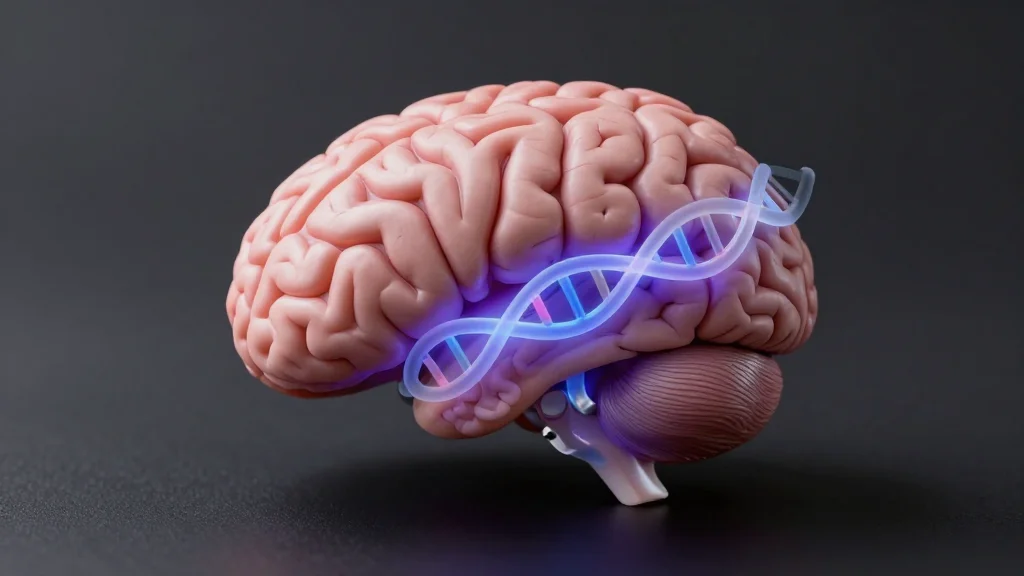
The Role of the cGAS-STING Interaction in the Age-Related Inflammation of the Brain

Key Takeaways
- •cGAS detects cytosolic DNA, activates STING, triggers inflammation
- •Age-related DNA leakage fuels chronic neuroinflammation
- •Inhibitors show promise in animal models for cognitive decline
- •Balancing pathway suppression avoids compromising host defense
- •Precise, cell‑type specific modulation needed for therapeutic safety
Pulse Analysis
The cGAS‑STING axis has emerged as a central hub linking cellular damage to innate immune activation in the brain. As cells age, mitochondrial dysfunction and nuclear envelope breakdown release fragmented DNA into the cytosol, where the cyclic GMP‑AMP synthase (cGAS) binds these nucleic acids and catalyzes the production of cyclic GMP‑AMP. This second messenger engages STING on the endoplasmic reticulum, launching a cascade that culminates in type‑I interferon and pro‑inflammatory cytokine release. The resulting sterile inflammation erodes synaptic integrity and accelerates protein aggregation, hallmarks of Alzheimer’s, Parkinson’s and ALS.
Recent preclinical work demonstrates that pharmacologic inhibition of either cGAS or STING can dampen this inflammatory loop, restoring cognitive performance and reducing amyloid or alpha‑synuclein pathology in mouse models. Yet, the pathway’s dual role in antiviral defense and tumor surveillance creates a therapeutic paradox: blunt suppression risks immunosuppression, while insufficient inhibition leaves neuroinflammation unchecked. Researchers are therefore focusing on fine‑tuned approaches, such as allosteric modulators, tissue‑targeted delivery systems, and transient dosing regimens that attenuate chronic signaling without abolishing acute immune responses.
Looking ahead, the field must resolve key mechanistic questions—identifying which DNA species (mitochondrial versus nuclear, oxidized versus intact) most potently trigger cGAS, and how cell‑type specific contexts shape downstream outcomes. Advances in single‑cell genomics and high‑resolution imaging are poised to map these dynamics, guiding the design of next‑generation therapeutics that modulate cGAS‑STING activity with spatial and temporal precision. Successful translation could reshape treatment paradigms for age‑related neurodegeneration, delivering disease‑modifying benefits to a growing patient population.
The Role of the cGAS-STING Interaction in the Age-Related Inflammation of the Brain
Comments
Want to join the conversation?