Trial of Early Cancer Detection Test Misses Primary Endpoint
Companies Mentioned
Why It Matters
The mixed results highlight both the promise and current limitations of liquid‑biopsy screening, influencing future guideline recommendations and investment in early‑cancer detection technologies.
Key Takeaways
- •NHS‑Galleri trial missed primary endpoint of reducing stage III/IV cancers.
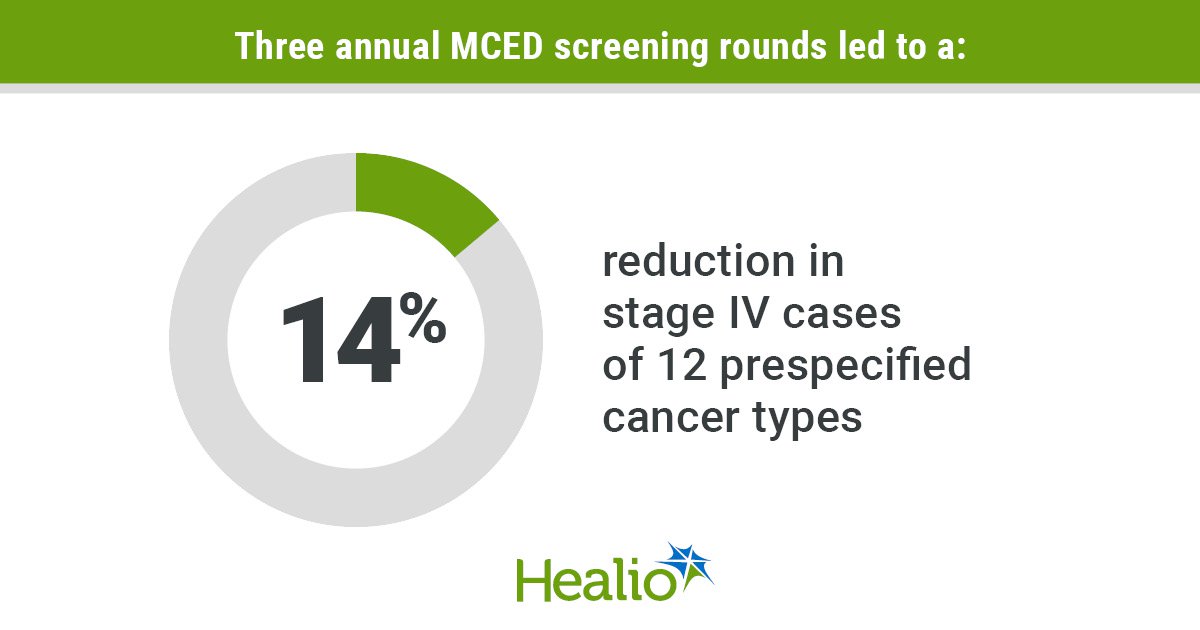
- •Stage IV cancers fell 14%; stage I/II rose 16% in MCED arm.
- •Screen‑detected cancers quadrupled; emergency presentations dropped 25%.
- •Specificity 99.55% and PPV 52% show low false‑positive rate.
- •US REACH study continues, targeting 50+ cancers, results expected 2030.
Pulse Analysis
The Galleri MCED assay represents a new class of liquid‑biopsy tools that analyze circulating tumor DNA to flag a broad range of malignancies. In the UK‑based NHS‑Galleri trial, more than 140,000 participants received annual blood draws for three years, allowing researchers to compare outcomes against standard NHS care. While the trial’s primary metric—lowering combined stage III/IV diagnoses across 12 cancers—was not achieved, the large sample size and rigorous registry linkage provide a robust data set for evaluating early‑detection potential.
Secondary endpoints painted a more nuanced picture. A 14% reduction in stage IV cancers and a 16% increase in stage I/II diagnoses suggest the assay may shift disease presentation toward earlier, more treatable stages. The fourfold rise in screen‑detected cancers and a 25% drop in emergency presentations further underscore its ability to uncover tumors that would otherwise manifest symptomatically. Nonetheless, specificity remained high at 99.55% while the positive predictive value hovered around 52%, indicating that false‑positives are relatively rare but still present a clinical workflow challenge.
Looking ahead, the US‑based REACH study, which expands the assay’s scope to over 50 cancer types, will be pivotal in determining commercial viability and regulatory pathways. Payers and health systems are watching closely, as demonstrated mortality benefits could justify reimbursement and drive broader adoption. Meanwhile, professional societies such as ASCO are expected to refine liquid‑biopsy guidelines, likely limiting early‑detection use to research settings until longer‑term survival data emerge. Investors in genomics and diagnostics should monitor these trials, as they could reshape the market for cancer screening and open new revenue streams for companies like Grail.
Trial of early cancer detection test misses primary endpoint
Comments
Want to join the conversation?
Loading comments...